Address
doha Imm E4 Res guilize 3éme TR, Marrakech-Medina - Maroc


Atlas Mountains Hiking Tours: Routes, Guides and Planning Tips
Atlas Mountains Hiking Tours: Routes, Guides and Planning Tips
Introduction
Atlas Mountains Hiking Tours offer a way to explore Morocco beyond its cities and famous landmarks. Trails lead through mountain valleys, terraced fields, villages, and high passes. Some trips take only a few hours, while others include several days of walking and overnight stays. Along the way, hikers can enjoy changing views and learn how people live in Morocco’s mountain regions.
This guide covers popular routes, difficulty levels, seasons, gear, safety, and tour choices. It also explains how to choose a local guide and combine hiking with time in Marrakech or the Sahara. Whether you want an easy walk or a high mountain challenge, a realistic plan can make your trip safer and more enjoyable. First, consider how much time you have and what kind of hike suits you.
Why Choose an Atlas Mountains Hike?
The Atlas Mountains offer a striking change from the busy streets of Marrakech. Valleys, orchards, river paths, and mountain villages lie within reach of the city. On a guided walk, you can learn about local farming, building styles, and regional life. The views also change with the season, so a spring walk may look very different from a late-summer hike.
For the bigger picture, read our guide to day trips from Marrakech. If you are ready to book, take a look at our Three Valleys day trip in the Atlas.
Hiking also lets you experience a place at a slower pace. Instead of viewing the mountains from a road, you can follow a trail through them and stop when you want. Some visitors choose a short village walk, while others take on a longer trek. In either case, Atlas Mountains Hiking Tours can fit many travel styles, from a family outing to a demanding mountain holiday.
Where Are the Atlas Mountains?
The Atlas range stretches across Morocco and continues into neighboring countries. In Morocco, the main hiking areas include the High Atlas, Middle Atlas, and Anti-Atlas. The High Atlas rises south of Marrakech and contains the country’s highest mountain peaks. The region also has valleys, farmland, and small settlements linked by trails and mountain roads.
The Middle Atlas lies farther north and includes forests, hills, and high plateaus. The Anti-Atlas sits farther south and offers dry landscapes, rocky hills, and a quieter hiking experience. Each area has a different climate and character. Therefore, choose a route based on the type of scenery you want, your fitness level, the season, and the amount of time available.
The High Atlas
The High Atlas draws many hikers because it combines high peaks with accessible villages and trails. Routes start near places such as Imlil and pass through valleys, fields, and mountain passes. The scenery can shift quickly, from green terraces to bare rock and snow-covered peaks. A day in the High Atlas can include a gentle walk or a challenging climb, depending on the route.
A local guide can help you understand the terrain and choose a suitable trail. Conditions can change with altitude, even when Marrakech feels warm and dry. Ask about the elevation, distance, walking time, and route conditions before you go. In addition, check whether your trip includes transport, meals, and any necessary equipment. Clear details help you prepare for the day.

Imlil: A Popular Hiking Base
Imlil sits in the High Atlas and serves as a starting point for many hikes. It lies within driving distance of Marrakech, making it a practical base for day trips and longer treks. From the village, routes pass through nearby settlements, orchards, and mountain slopes. Some visitors come for a short walk, while others use Imlil as a base for Mount Toubkal.
The village has guesthouses, guides, and basic services for hikers. However, the facilities may feel simple compared with those in a large city. Ask your accommodation or tour operator about meals, luggage storage, and transport to the trailhead. If your itinerary includes an overnight stay, confirm what the room provides. A little preparation can make a mountain visit more comfortable.
Mount Toubkal and Toubkal National Park
Mount Toubkal is the highest peak in North Africa, rising to about 4,167 metres. The mountain attracts hikers who want a serious climb and wide views over the High Atlas. Most routes begin near Imlil and include an overnight stop before the summit attempt. Because the trail reaches high altitude, hikers need suitable preparation and should not treat it as an ordinary day walk.
Current local rules, guide requirements, and trail access can change. Check with a reputable operator or local authority before booking a Toubkal trip. A qualified mountain guide can help with route planning, changing weather, and the pace of the climb. Even strong walkers should take altitude and cold seriously. The summit is not the only goal; a safe and enjoyable trek matters more than reaching the top.
Is a Toubkal Summit Hike Right for You?
A summit hike may suit travelers who already walk regularly and feel comfortable on steep, uneven trails. The route can include long walking days, rocky ground, and limited shade. Hikers should also prepare for cold conditions at higher elevations. A guide can explain the schedule and help you decide whether your experience matches the route.
You do not need to climb Toubkal to enjoy the High Atlas. Many valley walks offer excellent views without the same height or physical demand. If you are unsure, choose a lower route and ask about an easier option. Your guide can suggest a walk that still feels rewarding. By choosing a suitable challenge, you can enjoy the mountains without turning the trip into a test of endurance.
Ourika Valley, Ouirgane and Oukaimeden
The Ourika Valley is a popular day-trip area south of Marrakech. Trails follow the valley and pass through villages, gardens, and riverside spots. The region can get busy, especially on weekends and during holiday periods. Ask your guide about quieter paths if you prefer a calmer walk. Also check the route length, since some visits involve more walking than others.
Ouirgane offers a more relaxed mountain setting, with trails through hills, villages, and farmland. Oukaimeden sits at a higher elevation and can have very different weather from Marrakech. These areas suit different kinds of trips, so ask about the terrain and season before booking. A walk that feels easy in warm weather may need more care in winter or after rain.
M’Goun and Longer Mountain Treks
Mount M’Goun is another major hiking area in the High Atlas. Treks in this region can pass through remote valleys, mountain villages, and high passes. Some routes take several days and require careful planning, good fitness, and a guide who knows the area. Hikers may sleep in guesthouses, simple lodges, or camps, depending on the route and season.
Longer M’Goun treks usually suit travelers who want a multi-day walking holiday rather than a quick excursion. Ask about daily distance, elevation gain, luggage transport, and sleeping arrangements. Remote routes may have fewer services than those near Imlil. Therefore, choose an operator that explains what you need to carry and how the team handles changes in weather or trail conditions.
Hiking in the Anti-Atlas
The Anti-Atlas offers a quieter alternative to the busier High Atlas routes. Its landscapes include dry hills, rocky slopes, valleys, and scattered villages. The region can suit hikers who want a less crowded setting and a different view of southern Morocco. Trails vary in length and difficulty, so ask a local guide to recommend an appropriate route.
Because facilities can be spread out, planning matters. Confirm where you will meet the guide, how you will reach the trail, and whether you need to bring food or water. In addition, ask about road conditions and accommodation if your visit lasts more than one day. A guided walk can help you find suitable trails while learning about the region’s landscape and local life.
Day Hikes and Multi-Day Treks
A day hike works well for visitors who have limited time in Marrakech. You can leave the city in the morning, walk in a mountain valley, and return the same day. Routes may include village paths, viewpoints, and short climbs. Ask how much time you will spend walking and how much time you will spend in the vehicle.
Multi-day treks give hikers more time to explore the mountains. They may include overnight stays in villages, mountain lodges, or camps. These trips require more planning, but they can cover remote areas that day tours cannot reach. Check what the operator provides, including meals, bedding, luggage support, and safety equipment. A clear plan helps you pack properly and set realistic expectations.
Understanding Hiking Difficulty
Tour companies may describe a route as easy, moderate, or challenging. These labels do not always mean the same thing, so ask for details. Find out the total distance, expected walking hours, steep sections, altitude, and type of ground. A short route can still feel hard if it climbs steeply or crosses uneven rock.
Your own experience matters as much as the route description. If you walk often, a full-day trail may feel manageable. If you rarely hike, even a moderate route may be tiring. Tell the guide about your fitness and any concerns before the walk. A responsible operator can suggest a suitable alternative. It is better to choose a route that feels enjoyable than to struggle through one that does not match your ability.
Preparing Your Fitness
You do not need to be an athlete for every Atlas walk, but basic fitness helps. Before the trip, take regular walks and gradually increase the distance. If you plan a steep route, add hills or stairs to your preparation. Comfortable walking at a steady pace matters more than speed. Take breaks when you need them and listen to your body.
For a high-altitude trek, prepare more carefully and discuss the plan with your guide. Build in time to adjust to the elevation and do not rush the climb. Travelers with health concerns should speak with a medical professional before booking a demanding route. The operator should also know about relevant health or mobility needs. Good preparation can reduce stress and help you enjoy the landscape.
Best Time for Atlas Mountains Hiking Tours
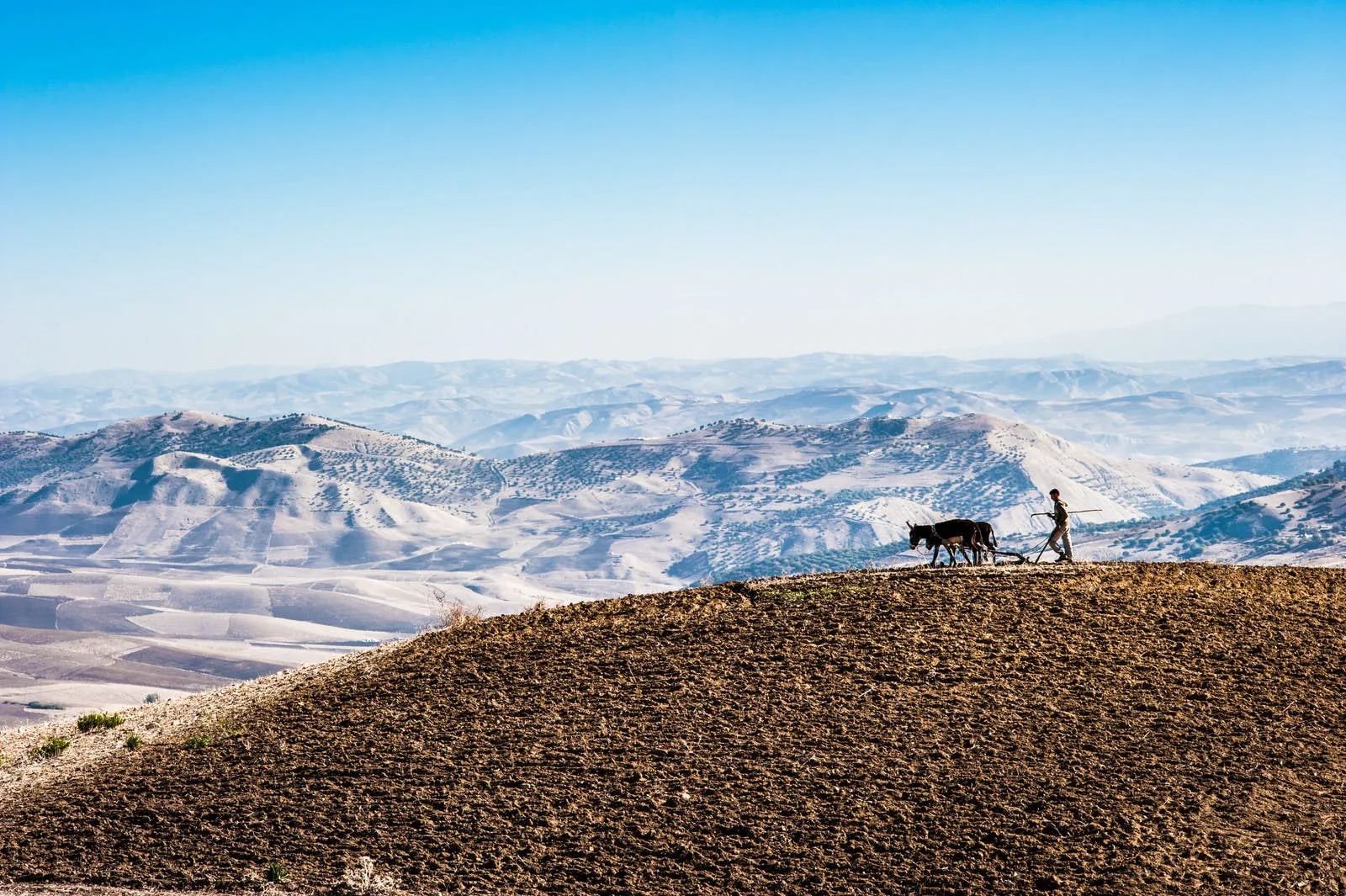
Spring and autumn often offer comfortable conditions for hiking in the Atlas Mountains. Temperatures can suit longer walks, and the valleys may show seasonal colors. Still, weather differs by altitude and region. A clear forecast in Marrakech does not guarantee the same conditions in the mountains.
Summer can bring hot conditions on lower trails, especially around midday. Winter may bring cold, snow, or icy ground at higher elevations. Ask a local operator about current trail conditions before you leave. It also helps to check the forecast for the specific area, not only the city. The best hiking date is one that matches the route, your experience, and the weather.
Winter Hiking and Snow
Winter hikes can offer beautiful mountain views, but cold conditions call for more preparation. Higher trails may have snow, ice, and short daylight hours. Some routes may become difficult or unsafe without the right clothing and equipment. Before booking, ask whether the guide expects snow and what gear you need.
Not every winter walk requires technical skills, but conditions can change quickly. Lower valleys may offer easier routes while higher passes remain cold or blocked. Follow the guide’s advice if they suggest changing the route. A flexible plan helps you stay safe and still enjoy the mountains. Pack warm layers, gloves, and a hat if you travel in colder months.
Summer Heat and Sun Protection
Summer can bring high temperatures, especially on exposed trails and lower slopes. Start early when possible, take breaks in shade, and carry enough water for the planned walk. A hat, sunscreen, and light clothing can help protect you from the sun. Your guide can suggest a route that avoids the hottest hours.
Heat affects people differently, so pay attention to how you feel. Stop and tell your guide if you become dizzy, weak, or unusually tired. Do not push through serious discomfort to keep up with a group. In addition, avoid assuming that mountain air will always feel cool. Conditions vary by altitude, slope, and time of day.
Altitude and Acclimatization
Altitude can affect hikers even when they feel fit at lower elevations. Some people develop headaches, nausea, poor sleep, or unusual tiredness as they climb. A gradual pace can help your body adjust. Drink water regularly and tell your guide if you notice symptoms that concern you.
Acclimatization means giving your body time to adapt to higher ground. It matters most on demanding routes such as a Toubkal climb. Ask the operator how the itinerary handles elevation and what happens if someone feels unwell. Do not hide symptoms from your guide. Changing the route or turning back may be the safest choice.
Hiking With a Local Guide
A local guide can help you choose the route, understand the terrain, and respond to changing conditions. Guides may also share information about nearby villages, plants, farming, and local history. On unfamiliar or high routes, their knowledge can make a major difference. Check the guide’s experience and language skills before booking.
Some travelers prefer independent walks, but not every trail has clear signs or easy access. Local rules may also call for a guide on certain routes. Confirm the current requirements with your operator or local authority. If you hike independently where it is appropriate, tell someone your route and expected return time. Good planning matters whether you walk with a guide or on your own.

A Sample One-Day Hike From Marrakech
A day hike from Marrakech often begins with a morning drive into the High Atlas. The route may lead to a valley near Imlil, Ourika, or another mountain area. After meeting the guide, you can follow a trail through villages, fields, or hillside paths. Some tours include lunch or tea during the day, but check this before leaving the city.
In the afternoon, the group usually returns to the starting point and drives back to Marrakech. Ask how many hours the day involves and how long you will walk. A full-day tour can include several hours in the vehicle as well as time on the trail. Choose a route that leaves enough time for breaks and does not rush every stop.
Two-Day Hiking Itinerary
A two-day itinerary can include a walk on the first day and an overnight stay in a mountain village or guesthouse. The second day may follow a different trail before returning to Marrakech. This format gives you more time in the mountains than a day trip and can include an evening meal with a local host.
Ask where you will sleep and what facilities the accommodation provides. Some guesthouses offer simple rooms and shared bathrooms, while others have more services. Check whether the operator carries food and luggage or expects you to bring them. A two-day trip can suit travelers who want a taste of trekking without committing to a longer expedition.
Three-Day Trekking Itinerary
A three-day trek can follow a longer route through several villages and valleys. Each day may include a different trail, with overnight stays at guesthouses, mountain refuges, or camps. This gives hikers more time to enjoy the landscape and reduces the need to return to Marrakech each evening. It also requires more careful planning than a short walk.
Before booking, ask for the daily distances, walking times, and elevation changes. Confirm what the tour provides and what you must carry. A guide should explain how the team handles weather changes or fatigue. If the route includes high passes, ask about the season and current conditions. Clear answers help you decide whether a three-day trek fits your experience.
Longer Treks and Seven-Day Routes
Longer treks can take hikers through more remote sections of the Atlas. A five- to seven-day route may link valleys, villages, and mountain passes. Some itineraries focus on Toubkal, while others explore different parts of the range. These trips suit people who enjoy walking for several days and can manage basic accommodation.
Plan a longer trek with an experienced operator. Ask how the company handles luggage, meals, sleeping arrangements, weather, and emergency support. Check whether the route includes rest time or a spare day. Long trips can feel rewarding, but they need realistic expectations. A thoughtful itinerary leaves room for the body to recover and for the guide to adjust the plan if conditions change.
Mountain Villages and Local Culture
Mountain hikes often pass through villages where people farm, care for animals, and work in local businesses. A guide can explain how the landscape shapes daily life, from water use to building methods. Visitors may also learn about local foods, languages, and seasonal work. These details help connect the views with the people who live in the region.
Remember that villages are homes, not open-air attractions. Greet people politely, stay on paths, and ask before taking photographs. Follow the guide’s advice about private spaces and local customs. If the tour includes a meal or a visit, ask who hosts it and how the activity benefits them. Respectful behavior makes cultural visits more comfortable for everyone.
Supporting Local Communities
Choosing local guides, guesthouses, and restaurants can help keep more travel spending in the region. Ask your operator who provides each service and whether the company works with local businesses. This information can help you understand how your tour supports the places you visit.
A responsible visit does not need to be complicated. Buy from local makers when you find something you like, avoid leaving rubbish, and use water thoughtfully. Do not pressure people to pose for photographs or share personal stories. Community-based tourism works best when local people decide how they want to take part. These choices can make an outdoor trip more considerate.
What to Pack for a Mountain Hike
Pack for the route, altitude, and season. Comfortable walking shoes or boots, a light daypack, a reusable water bottle, and sun protection suit many day hikes. Bring a warm layer even when Marrakech feels hot, because temperatures can drop in the mountains. A rain jacket can also help when conditions change.
For a multi-day trek, ask the operator for a specific packing list. You may need spare socks, warm clothing, personal medication, and a headlamp. Some companies provide trekking poles, but others expect hikers to bring their own. Keep important items in a waterproof bag if rain is possible. Avoid carrying unnecessary weight, especially on a route with steep climbs.
Shoes, Clothing and Trekking Poles
Footwear should match the terrain. A well-fitting pair of hiking shoes may suit an easy valley walk, while rougher or steeper trails may call for supportive boots. Wear them before your trip to reduce the chance of blisters. Bring socks that work with your shoes and consider packing a spare pair for a long day.
Use layers so you can adjust to changing temperatures. A light shirt, warm mid-layer, and windproof outer layer can work well in many seasons. Trekking poles may help on steep paths, loose ground, or long descents. They are not necessary for every hike, so ask your guide about the route first. Comfortable clothing makes it easier to focus on the walk.
Food and Water on the Trail
Carry enough water for the route and follow your guide’s advice about refilling. The amount you need depends on the weather, trail length, and your pace. Do not assume that every village or trail stop will have safe drinking water. A reusable bottle or hydration system can make it easier to drink regularly throughout the day.
Some tours provide lunch, snacks, or tea, while others expect hikers to bring food. Confirm this before departure. Simple snacks can help on long walks, especially if the group reaches the next meal later than expected. Tell the operator about allergies or dietary needs in advance. Good food and water planning can support your energy during the hike.
Safety on the Trail
Stay with your guide or group and follow route instructions. Trails can cross loose rock, steep slopes, and uneven ground, so watch where you place your feet. Wear suitable shoes and keep your hands free when the path becomes difficult. If you feel unwell or need a break, tell the guide rather than waiting until the problem gets worse.
Before a longer hike, ask about the emergency plan and communication options. Keep your phone charged, but do not rely on mobile coverage in remote areas. Carry any personal medication you need. Weather can change quickly, so accept a route adjustment if the guide recommends one. A safe hike may not follow the original plan exactly, but good communication helps everyone understand the decision.
Hiking With Children and Older Travelers
Morocco Family Tours can include gentle mountain walks, village visits, and time outdoors. Choose a route based on the youngest child’s ability and attention span. Shorter distances, regular breaks, and interesting stops can make the day easier. Ask the operator whether the trail has steep sections or uneven ground before bringing children.
Older travelers can also enjoy the Atlas, but the route should match their comfort and fitness. Discuss walking speed, rest stops, altitude, and access with the operator. People with mobility or health concerns should seek medical advice when needed. A private guide may make it easier to adjust the pace. The mountains offer many kinds of walks, so a summit climb is not the only worthwhile option.
Accessibility and Different Comfort Levels
Mountain trails do not all have the same access. Some paths include steps, loose stone, narrow sections, or steep slopes. Travelers with mobility needs should describe them clearly before booking. Ask the operator about the trail surface, distance from the vehicle, bathroom access, and available places to rest.
A group trip may follow a fixed pace, while a private trip can offer more flexibility. Still, a private tour cannot make every mountain path accessible. Ask the guide to suggest a route that suits your needs rather than assuming a standard walk will work. Clear planning helps you choose a realistic activity and enjoy the scenery safely.
Small Group or Private Hiking Tour?
Small Group Morocco Tours can suit hikers who enjoy meeting other travelers and sharing a guide. They may cost less than a private trip, but the group usually follows a set route and pace. Ask about the maximum group size, the guide-to-hiker arrangement, and whether the tour accepts people with different fitness levels.
When comparing Morocco Small Group Tours with Authentic Small Group Morocco Tours, focus on the details behind the names. Check the route, local guide services, transport, meals, and time on the trail. The phrase “morocco group tours” can describe many types of travel. Choose an operator that explains its schedule clearly and gives travelers a way to discuss their needs before booking.
Tailor-Made and Custom Hiking Tours
A private itinerary can work well if you have specific hiking interests or a set pace in mind. Some travelers want a gentle village walk, while others want a multi-day mountain trek. A tailor made Morocco tours provider may help arrange transport, accommodation, and guides around your chosen route. Ask which parts can change and whether the company charges extra for adjustments.
Custom Morocco tours can also combine hiking with food, culture, photography, or rest days. Give the operator clear information about your experience and priorities. A custom plan should still use realistic walking times and safe routes. More activities do not always make a better trip. Leave room for weather changes and time to enjoy the places you visit.
Combining Hiking With Marrakech and the Sahara
Many travelers use Marrakech as a base for a mountain day trip. You can explore the city first, then spend a day or two walking in the High Atlas. Some visitors continue farther south for a desert experience. This combination gives you city, mountain, and desert scenery, but it needs enough days and careful planning.
Sahara desert tours from Marrakech usually take several days because the dunes lie far from the city. Marrakech desert tours may also include shorter outings to Agafay, so check the destination before booking. Mountain hikes and desert trips involve different conditions and equipment. If you plan both, leave a rest day between demanding activities. That break can help you enjoy each part of the trip.
Starting From Fes, Casablanca or Tangier
Travelers do not have to begin their Morocco trip in Marrakech. Fes offers access to the Middle Atlas and routes toward the desert, while Casablanca works as a major arrival point. Visitors may search for Morocco desert tours from Fes or Fes desert tours when planning a wider trip. These tours are separate from High Atlas hikes, so check the route before adding one to your plan.
Casablanca desert tours and Sahara Tours from Casablanca usually involve long-distance travel. Desert Tours from Tangier often need several days and may pass through other cities first. These terms can appear in search results for broader Morocco packages, but they do not describe Atlas hikes. If your main goal is mountain walking, choose a trip with clear details about the trail, guide, and walking time.
Planning a Longer Morocco Itinerary
A longer holiday gives you room to combine hiking with cities, coast, and desert. A “3 weeks in Morocco itinerary” could include Marrakech, the High Atlas, Fes, and a Sahara route, with time for rest between long journeys. You might also add the Atlantic coast or a visit to the north. Choose the regions that matter most instead of trying to see every destination.
A longer itinerary can include both guided trips and independent city days. This gives you structure on mountain routes while leaving space to explore at your own pace elsewhere. Keep travel times realistic and avoid scheduling a demanding hike immediately after a long drive. In addition, leave room for weather or transport changes. A flexible plan often works better than a packed list of stops.
Choosing the Best Tour Operator
Compare several operators before you book. Read recent reviews and check whether each company provides a qualified local guide, suitable transport, and a clear itinerary. Ask about walking distances, group size, meals, accommodation, and current route conditions. A professional company should answer these questions without pressure.
The best Morocco tours are not always the longest or most expensive. Look for a trip that fits your fitness, schedule, and interests. If you want a mountain walk, ask how much time you will spend on the trail rather than in the vehicle. Confirm the cancellation policy and the plan for bad weather. Clear information helps you make a better choice.
Responsible Hiking in the Atlas Mountains
Stay on agreed paths and follow your guide’s advice around fields, homes, and grazing areas. Take all rubbish with you and avoid disturbing plants or animals. Use water thoughtfully, especially in dry areas. These actions help protect the landscape and respect the people who live in the mountains.
Responsible hiking also means choosing services that value local knowledge. Local guides, guesthouses, and food providers can help visitors learn about the region while supporting local work. Ask how a tour arranges village visits and whether local hosts choose to take part. Treat people with respect and ask before taking photos. A thoughtful approach can create Authentic Morocco Travel Experiences without disturbing daily life.
Frequently Asked Questions
Do I need a guide for Atlas Mountains hiking? A guide is useful on unfamiliar or high routes, and local rules may require one for certain hikes. Check current requirements before you go. Can I hike the Atlas Mountains on a day trip from Marrakech? Yes. Several valleys and trail areas suit day trips, although travel time varies by destination.
Is Mount Toubkal suitable for beginners? It is a demanding high-altitude climb, so many beginners should start with an easier route. Can I hike in winter? Yes, but snow, ice, and cold may affect access and safety. Ask a local operator about current conditions and equipment before booking.
Final Thoughts
Atlas Mountains Hiking Tours range from short walks near Marrakech to demanding treks across high passes. The best route depends on your fitness, interests, season, and available time. Before booking, ask about distance, altitude, terrain, guide services, and what the tour includes. Choose a realistic challenge and prepare for changing mountain weather.
The Atlas Mountains can reward hikers with wide views, quiet trails, and chances to learn about local life. You do not need to climb the highest peak to enjoy them. A guided valley walk or a multi-day trek can both offer a memorable experience. Plan carefully, travel respectfully, and leave enough time to enjoy the journey.