Address
doha Imm E4 Res guilize 3éme TR, Marrakech-Medina - Maroc

Authentic Morocco Cultural Tours And Experiences
Authentic Morocco Cultural Tours and Experiences

Morocco Cultural Tours and Experiences offer travelers a rare chance to discover a country where history still lives in everyday life. Morocco is not a place where culture sits quietly behind museum glass. Instead, it appears in family kitchens, busy souks, artisan workshops, mountain paths, and village homes. As a result, visitors do not only observe tradition. They step inside it.
This is what makes Morocco such a powerful destination for cultural travel. Over many centuries, the country absorbed outside influences and transformed them into something deeply original. Therefore, a journey here is not only about seeing monuments. It is also about meeting people, understanding customs, and feeling how the past still shapes the present. With the right guidance, simple sightseeing becomes real immersion. Morocco did not simply collect civilizations. It reshaped them into a living cultural whole.
Why Morocco Cultural Tours and Experiences Reveal Living History
Many travelers think history belongs in museums, old ruins, or written archives. While those places matter, Morocco offers something more immediate. Here, history is still practiced in daily life. It is present in baking methods, textile work, tea rituals, local dress, and hospitality customs. Therefore, Morocco Cultural Tours and Experiences help visitors understand history through direct contact, not only through information panels.
This difference changes the way people travel. A museum often asks you to observe from a distance. By contrast, living culture invites you to participate. You may knead bread, pour mint tea, or sit with artisans as they work. In addition, these moments feel personal and emotional. They help travelers remember not only what they saw, but also what they felt. That is why cultural immersion leaves a stronger impression than passive sightseeing.
Culinary Immersion in Family Kitchens
Food is one of the clearest expressions of Moroccan identity. In many homes, cooking is still a daily ritual shaped by memory, patience, and community. Spices are measured by instinct. Bread is baked with practiced hands. Tagines simmer slowly, while couscous is prepared with care for family gatherings and special days. As a result, the kitchen becomes a place where culture is both preserved and shared.
For this reason, some of the best Morocco Cultural Tours and Experiences include time in family kitchens. These visits allow travelers to see more than a finished plate. They reveal the gestures, ingredients, and social meaning behind each dish. Moreover, meals in Morocco are rarely only about food. They are about welcome, conversation, and trust. When guests sit at a family table, they experience the country in a warm and unforgettable way.

Morocco Cultural Tours and Experiences in Artisan Workshops
Craft traditions are another essential part of Morocco’s living heritage. Across the country, artisans still shape wood, metal, leather, clay, and wool using techniques passed down through generations. In the medinas, workshop doors often open onto small spaces full of movement, color, and concentration. The work is precise, and the knowledge behind it is deep. Therefore, every handmade object carries both skill and story.
However, many visitors only see the finished goods in shops. They miss the human process behind them. This is where Morocco Cultural Tours and Experiences make a real difference. With local guidance, travelers can enter workshops, meet craftsmen, and understand how each piece is made. In addition, buying directly from artisans supports local communities and helps preserve traditional knowledge. It turns shopping into a meaningful act rather than a simple purchase.
Berber Travel and Life in Remote Mountain Villages
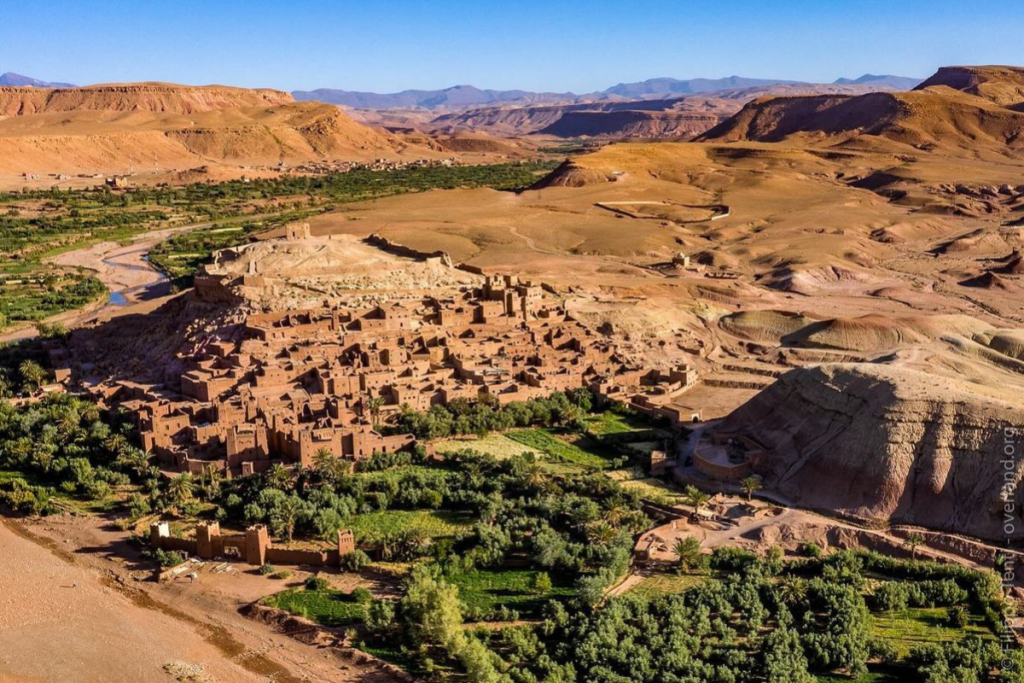
Outside the cities, Morocco reveals another dimension of its cultural identity. In the Atlas and Rif Mountains, Amazigh communities, often called Berber communities, continue to shape daily life through farming, language, architecture, and family customs. Houses are built with local materials. Villages follow the rhythm of the seasons. Water, land, and livestock remain central to survival. Consequently, Berber Travel offers a more grounded and intimate view of the country.
A visit to a mountain village is often simple, yet deeply moving. Guests may share tea with a family, walk through terraced fields, or watch bread being baked in a communal oven. In that moment, travel slows down and becomes more human. Likewise, Berber Tours Morocco and Berber Village Experience Tours give access to places that many travelers would never find alone. These experiences show that rural life in Morocco is not a relic of the past. It is still present, practical, and alive.
Morocco Cultural Tours and Experiences Beyond the Cities
Moroccan cities are vibrant, layered, and unforgettable. Yet they are only one part of the national story. Rural landscapes, especially mountain regions, reveal forms of life that remain closely tied to land and community. Unlike the fast pace of urban medinas, villages often move slowly. This contrast helps travelers understand the full range of Moroccan culture. It also creates balance in an itinerary.
Moreover, getting to these places is not always easy. Roads can be narrow, transport may be limited, and local introductions matter. For that reason, guided cultural travel becomes especially valuable outside the major centers. Many visitors who begin with Morocco Tours from Marrakech later discover that village visits, scenic drives, and Atlas Mountains Hiking Tours become the most memorable parts of the trip. They offer silence, authenticity, and genuine hospitality.
Exploring Tangier and Northern Gateways
Tangier offers a distinctive introduction to Morocco. Set between the Atlantic and the Mediterranean, it has long been shaped by trade, diplomacy, migration, and artistic life. The city carries an atmosphere that feels both Moroccan and international. Its medina is compact and photogenic, while its cafés and viewpoints reflect a long history of exchange with Europe. Therefore, Tangier is more than a gateway. It is a cultural story in its own right.
The wider north adds even more variety. Forested hills, coastal views, and mountain roads create a softer landscape than the south. In addition, the region helps travelers understand Morocco’s strategic position between continents. A good Morocco Travel Guide should not overlook this area. For visitors interested in cultural depth, Tangier and the north provide a rich beginning or ending to a broader journey through the country.

From Marrakech to Cultural Discovery
Marrakech is one of the most practical starting points for cultural exploration. Its airport is busy, its accommodations are varied, and its location allows easy access to both city heritage and rural landscapes. Many travelers begin with Marrakech City Tours, then move on to villages, valleys, or longer routes. Because of this flexibility, Marrakech works well for both short stays and extended itineraries.
From there, travelers can choose many cultural directions. Some prefer Marrakech Day Trips to the Ourika Valley or a Day Trip to Ourika Valley for a quick mountain escape. Others enjoy a Day Trip from Marrakech to Essaouira, where the coastal atmosphere contrasts beautifully with the red city. Still others build longer itineraries through desert routes, historical centers, or Morocco Imperial Cities. In each case, the best journeys connect scenery with human experience.
Planning Your Authentic Morocco Cultural Journey
Careful planning can greatly improve the quality of a cultural trip. First, think about your priorities. Do you want to focus on food, heritage, villages, crafts, or landscapes? Next, consider timing. Spring and autumn are often the best seasons because temperatures are more comfortable for walking, mountain visits, and desert travel. Therefore, choosing the right season helps travelers enjoy more and rush less.
It is also wise to choose the right style of tour. Look for small groups, local expertise, and itineraries that include real interaction. In addition, check whether the program includes homes, artisan spaces, or lesser-known communities. A strong Morocco Cultural Heritage Tour should feel respectful, flexible, and personal. Whether you are interested in Morocco Historical Tour routes, Family-Friendly Tours in Morocco, or tailored private travel, quality guidance matters more than a long list of stops.
Morocco Cultural Tours and Experiences Create Lasting Memories
What people remember most about Morocco is not always a monument. Often, it is a shared meal, a mountain conversation, the sound of a loom, or the warmth of mint tea offered without hurry. These are small moments, yet they stay with travelers for years. That is because they carry emotion and connection. In the end, meaningful travel is rarely built from landmarks alone.
This is exactly why Morocco Cultural Tours and Experiences matter. They reveal a country that lives through people, not displays. They turn history into something visible, touchable, and deeply human. Moreover, they help travelers leave with more than photographs. They leave with insight, gratitude, and a stronger understanding of how culture survives through daily life. That is the true reward of authentic travel.

Conclusion: Embrace Morocco’s Living Culture
Morocco offers a rare form of cultural richness. It allows visitors to witness a civilization that is still active in the present. Traditions are not hidden behind ropes or labels. They are cooked, woven, spoken, and shared every day. Therefore, those who choose immersion over distance gain a much fuller experience. They do not simply visit Morocco. They engage with it.
If you want a journey that feels genuine, choose connection over speed and depth over routine sightseeing. Whether you explore Tangier, mountain villages, artisan quarters, or family kitchens, the same truth remains clear. Morocco Cultural Tours and Experiences unlock a side of the country that many travelers never reach. They open doors, build understanding, and transform a holiday into something far more lasting.