Address
doha Imm E4 Res guilize 3éme TR, Marrakech-Medina - Maroc

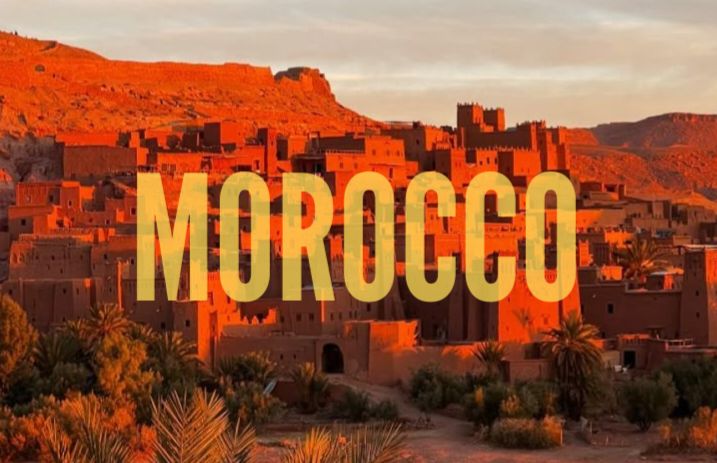
Berber Tours Morocco: Discover Amazigh Culture, the Atlas Mountains and the Sahara
Berber Tours Morocco: Discover Amazigh Culture, the Atlas Mountains and the Sahara
Introduction: A Cultural Journey Through Morocco
Berber tours in Morocco offer travelers a way to explore the country through its landscapes, communities, and cultural traditions. Routes may pass through the Atlas Mountains, historic kasbahs, oasis towns, and the Sahara Desert. Along the way, visitors can learn about Amazigh heritage, share local food, and discover how daily life changes from one region to another. Rather than simply traveling between famous landmarks, a cultural tour makes time for the people and stories that give those places their meaning.
Morocco is a diverse country, so no single route can show everything. A journey from Marrakech may focus on mountain villages and desert scenery, while a trip from Fes can include historic cities and the Middle Atlas. Meanwhile, a longer itinerary from Tangier or Casablanca may connect northern Morocco with the Sahara and the south. This guide explains what to expect, where to go, how to choose a tour, and how to plan Authentic Morocco Travel Experiences.
What Does “Berber Tours Morocco” Mean?
The word “Berber” is widely used in travel searches, including searches for Berber tours in Morocco. Many people also use the word Amazigh, which refers to the Indigenous peoples of North Africa. Amazigh communities have distinct languages, regional identities, and customs. In Morocco, these communities include people who speak Tarifit, Tamazight, and Tashelhit, among other varieties. Using “Amazigh” where appropriate can show respect for local identity, while “Berber” remains a familiar term for travelers researching tours.
Planning your trip? Start with our Berber village experience guide, then see the details of our activities from Marrakech.
A tour described as a Berber or Amazigh tour usually focuses on cultural experiences in regions where Amazigh heritage is prominent. That might mean visiting a village, learning about mountain farming, trying a traditional meal, or hearing local music. However, it does not mean that every Amazigh community shares one identical lifestyle. Traditions vary by region and family. A good tour explains these differences instead of presenting local culture as a single, unchanging story.
Why Choose a Berber Tour in Morocco?
A cultural tour can add context to the landscapes you see. For example, a mountain village is more than a scenic stop when a local guide explains its irrigation channels, crops, and building materials. Likewise, a desert journey becomes more meaningful when you learn how people have adapted to the climate and trade routes over time. These details help travelers understand how geography, history, and community life connect across Morocco.
In addition, a locally guided trip can create more opportunities for respectful conversation. You might visit a family-run cooperative, learn how bread is prepared, or share mint tea with a host. These experiences are not guaranteed on every itinerary, so ask your tour operator what is actually included. The best Morocco tours balance famous attractions with genuine opportunities to learn, while allowing enough time to listen, ask questions, and enjoy each place at a comfortable pace.
Amazigh Heritage and History
Amazigh history reaches back thousands of years and forms an important part of Morocco’s national identity. Amazigh communities have lived across North Africa long before the modern borders of the region took shape. Their heritage can be seen in languages, music, architecture, farming practices, and patterns of trade. Today, many Moroccans speak an Amazigh language at home, while Arabic and French are also widely used in different settings.
The history of Amazigh communities is not limited to mountain villages or the desert. Amazigh people live in cities and towns throughout Morocco and take part in every part of modern life. Therefore, a cultural tour should avoid treating Amazigh culture as something frozen in the past. A knowledgeable guide can explain how traditions continue to change, how families maintain connections to their heritage, and how cultural identity can differ from one region to the next.
The Atlas Mountains: A Highlight of Berber Tours Morocco
The Atlas Mountains are among the most rewarding places to explore on Berber tours in Morocco. The High Atlas rises south of Marrakech, with valleys, terraced fields, and villages set along mountain slopes. Roads cross high passes, while walking routes lead through orchards and along streams. The scenery changes with altitude and season, so a short drive can take you from a warm plain to cooler mountain air.
Many tours include stops in areas such as the Ourika Valley, Imlil, or the Ouirgane region. Each destination offers a different experience, from an easy village walk to a longer mountain hike. However, mountain conditions can change quickly, especially at higher elevations. Ask in advance about walking distances, road conditions, and the guide’s experience. In addition, allow time for rest and photographs rather than planning every stop too tightly.
Visiting Amazigh Villages Respectfully
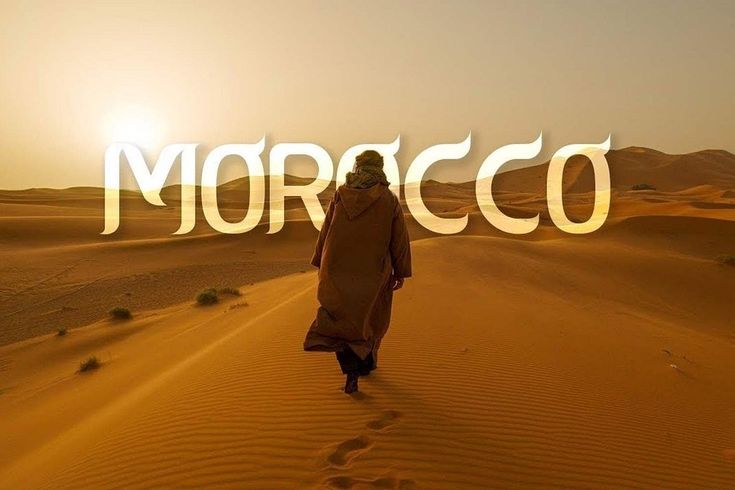
Village visits can be a meaningful part of a cultural itinerary when they are arranged with care. A local guide can introduce you to the area, explain how homes and gardens are organized, and help you understand daily routines. Some visits include tea or a meal with a local family. Others may focus on a community project or a small workshop. In either case, visitors should remember that people are welcoming hosts, not attractions.
Before taking photographs, ask permission, especially when photographing people or private homes. A polite greeting can make interactions more comfortable, even if you speak only a few words of Darija or Tamazight. Moreover, follow your guide’s advice about where to walk and when to enter a home. If a visit feels staged or intrusive, ask your operator how the activity supports the community and how hosts choose to take part.
Marrakech as a Starting Point
Marrakech is a popular base for exploring the Atlas Mountains and southern Morocco. Travelers can begin with the city’s medina, gardens, palaces, and food markets before continuing into the countryside. A local guide can help explain the city’s historic districts and introduce visitors to its craft traditions. From Marrakech, day trips reach nearby valleys, while longer journeys travel over the Atlas toward kasbahs, oases, and the Sahara.
Many travelers search for Marrakech desert tours when planning a trip from the city. It is important to check the destination and travel time before booking. Agafay, for instance, is a rocky desert-like area near Marrakech, not part of the Sahara’s large sand-dune landscapes. By contrast, a Sahara journey usually requires a longer drive and at least one overnight stay. Clear descriptions help travelers choose the route that matches their expectations.
Understanding Sahara Routes from Marrakech
Sahara desert tours from Marrakech usually cross the High Atlas Mountains and continue through southern valleys and desert towns. Depending on the route, stops may include Ait Benhaddou, Ouarzazate, the Dades Valley, or Todra Gorge. These journeys offer changing landscapes, but they also involve long periods in a vehicle. Travelers should check the number of driving hours and overnight stops rather than choosing a tour based only on its advertised duration.
Some Marrakech desert tours last two or three days, while others take longer and include more time in the south. A short trip may suit travelers with limited time, but it can involve a fast pace. Longer routes allow more room for village visits, walks, and rest. Therefore, compare the full itinerary, not just the price. Ask whether the package includes a guide, accommodation, meals, entrance fees, and a camel ride or other planned activities.
Merzouga and the Erg Chebbi Dunes
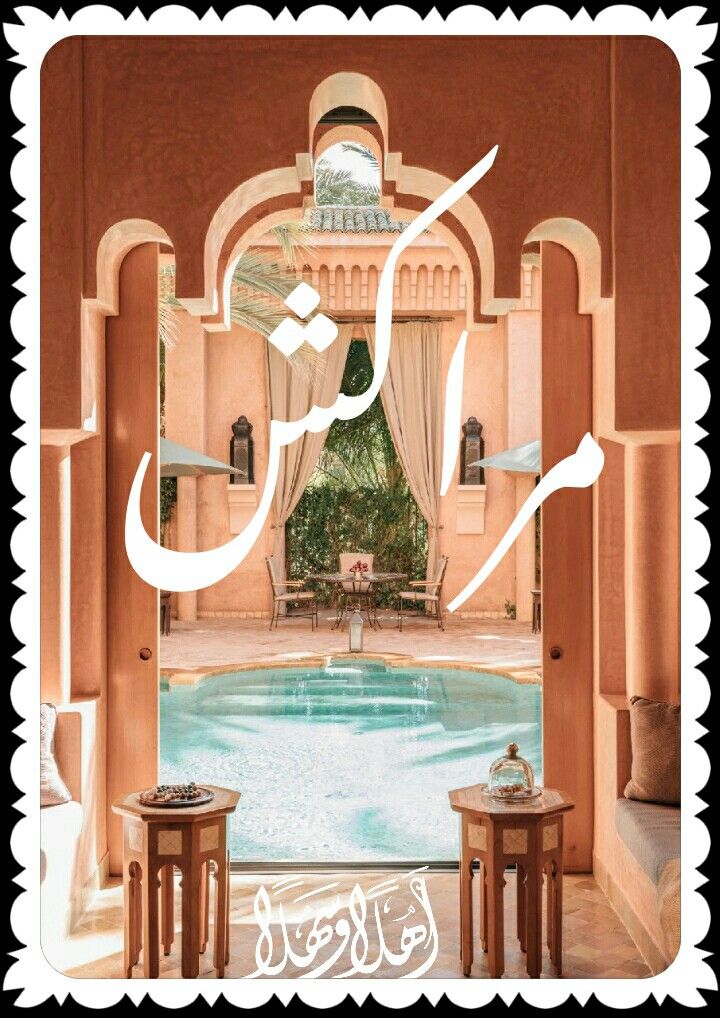
Merzouga is a well-known gateway to Erg Chebbi, an area of high dunes near the Algerian border. Travelers often come here for a desert walk, a camel ride, or an overnight stay in a camp. The dunes change color as the light shifts from afternoon to sunset and then to sunrise. However, the area can be very hot during the day and cold at night, so suitable clothing matters in every season.
A cultural visit in the Merzouga area can include more than a night among the dunes. Depending on the itinerary, visitors may learn about oasis life, local music, or the history of regional trade. Some operators arrange meetings with local residents or visits to community businesses. Ask what these activities involve and whether hosts are paid fairly. In addition, follow guidance about desert safety, including water use, sun protection, and walking on soft sand.
Zagora, M’Hamid and Erg Chigaga
Zagora and M’Hamid offer another route into Morocco’s southern desert regions. The drive from Marrakech passes through the Draa Valley, where palm groves and villages follow the river corridor. Farther south, the landscape becomes more open and arid. Erg Chigaga is a remote dune area that typically requires a 4×4 vehicle for access. It provides a different experience from the more accessible dunes around Merzouga.
Travelers comparing desert routes should consider distance, road conditions, and the type of experience they want. A journey toward M’Hamid may appeal to visitors looking for a quieter, more remote setting, while Merzouga often has more established visitor services. However, remote does not automatically mean more authentic. Choose a responsible operator that respects local communities and the environment. Ask how the trip manages waste, supports local guides, and keeps visitors safe in changing weather.
Fes to the Desert: A Different Route
Morocco desert tours from Fes follow a different route from trips that start in Marrakech. The journey often passes through Ifrane, cedar forests near Azrou, the Middle Atlas, and the Ziz Valley before reaching Merzouga. This route gives travelers a chance to see forest, mountain, oasis, and desert landscapes during one trip. Because the drive is long, it usually works best as part of a multi-day itinerary rather than a quick excursion.
Fes desert tours may suit visitors who want to combine the city’s historic medina with a desert experience. Search terms such as Fes desert tours and Morocco desert tours from Fes can lead to a wide range of packages, so compare the details carefully. Some itineraries include shared transport, while others offer a private driver and guide. Check the overnight stops, group size, vehicle type, and time allowed for sightseeing before confirming your booking.
Northern Morocco and Desert Tours from Tangier
Tangier offers a northern starting point with a strong Mediterranean and international history. Visitors may explore the kasbah, the old medina, and coastal viewpoints before traveling toward Chefchaouen, Tetouan, or Fes. A journey from Tangier to the Sahara usually takes several days, since the desert lies far to the south. As a result, Desert Tours from Tangier are best planned as part of a broader Morocco itinerary.
The northern route can be rewarding for travelers who want to see several sides of the country. Chefchaouen offers a mountain setting and distinctive blue-painted streets, while Fes provides a deep introduction to Moroccan urban history. From there, a longer route can continue toward the Sahara. However, avoid trying to fit too many stops into a short trip. Build in time for road breaks, meals, and overnight stays, especially when traveling between distant regions.
Merzouga and the Erg Chebbi Dunes
Merzouga sits near Erg Chebbi, a famous area of sand dunes in southeastern Morocco. Visitors come to walk on the dunes, ride a camel, or spend a night in a desert camp. The sand changes color as the sun moves across the sky. Evenings can feel cool after a warm day, so bring clothing for different temperatures.
A visit to Merzouga can include more than a night in the dunes. Depending on the tour, you may learn about nearby villages, local music, and life around the oasis. Ask what the tour includes and whether local guides lead the activities. It also helps to ask how the company cares for animals and manages waste. Follow your guide’s advice about water, sun, and walking on soft sand.
Zagora, M’Hamid and Erg Chigaga
Zagora and M’Hamid offer another way to explore southern Morocco. The road from Marrakech passes through the Draa Valley, where palm groves and villages line the route. Farther south, the land becomes drier and more open. Erg Chigaga lies in a remote area, and most visitors need a 4×4 vehicle to reach the dunes.
Compare this route with Merzouga before you book. Merzouga offers easier access to services, while the area around Erg Chigaga feels more remote. Still, a remote location does not automatically make a trip more authentic. Choose a company that hires local guides, respects the land, and explains how the trip works. Ask how the tour handles rubbish, water, road access, and safety in changing weather.
Fes to the Sahara
Morocco desert tours from Fes follow a different route from trips that begin in Marrakech. The road often passes through Ifrane, cedar forests near Azrou, the Middle Atlas, and the Ziz Valley before reaching Merzouga. This trip gives travelers a look at forests, mountains, palm groves, and desert scenery. The drive takes time, so most visitors choose a multi-day tour.
Fes desert tours suit travelers who want to visit the historic city and continue south. Tour companies offer shared and private options, so check the details before you pay. Look at the group size, vehicle, overnight stops, and time for sightseeing. Also confirm whether the driver speaks your preferred language and whether a local guide joins you in the desert.
Northern Morocco and Desert Tours from Tangier
Tangier offers a northern starting point with a long history of trade and travel. Visitors can explore the old town, the kasbah, and views over the sea before heading toward Chefchaouen, Tetouan, or Fes. Since the Sahara lies far to the south, a trip from Tangier needs several days. Desert Tours from Tangier work best as part of a longer Morocco trip.
The northern route gives travelers a chance to see several parts of the country. Chefchaouen offers mountain views and blue-painted streets, while Fes has a large old town full of markets and workshops. From Fes, you can continue toward the Sahara. However, do not try to fit too many stops into a short trip. Allow time for meals, rest, and the long drives between regions.
Casablanca Desert Tours
Casablanca is Morocco’s largest city and a common place for travelers to arrive. Visitors can see the Hassan II Mosque, walk near the Atlantic coast, and explore central neighborhoods. The city does not sit beside the Sahara, but it can start a longer route through Rabat, Fes, and the desert. Travelers looking for Casablanca desert tours should check how many days the trip allows for the drive and visits.
Sahara Tours from Casablanca usually need several days to include the desert at a comfortable pace. Some routes travel through Rabat or Fes before heading south to Merzouga. Ask where the tour ends and whether the company brings you back to Casablanca. This information affects your flight plans and travel costs. A clear route also gives you time to enjoy places between the coast and the dunes.
Morocco’s Imperial Cities
Morocco’s imperial cities include Fes, Marrakech, Meknes, and Rabat. Each city has a different history and feel. Fes is known for its old town and learning traditions. Marrakech draws visitors with its palaces, gardens, and busy main square. Meknes offers grand gates and quieter streets, while Rabat joins historic sites with modern city life.
These cities add depth to a trip focused on mountains or the Sahara. A local guide can help you understand the old town, explain how markets work, and point out important buildings. You do not need to visit every site to enjoy a city. Choose the places that match your interests and leave time to wander. A balanced trip gives you a chance to rest between long drives and busy days.
Moroccan Food and Shared Meals
Food offers a simple way to learn about local life. A meal may include bread, salads, olives, tagine, couscous, or fresh fruit. Families often share food, and a host may serve mint tea during a visit. Mountain meals can use produce from nearby farms, while coastal towns often serve fish. Local dishes also change by season and by family.
A cooking class or shared meal can teach you how people prepare ingredients and use spices. You may learn why families serve certain foods on special days or how people bake bread. However, no single dish represents every Moroccan family. Tell your tour operator about allergies or dietary needs before you travel. Also ask which meals the tour includes and whether you can choose from local options.
Crafts, Workshops and Markets
Morocco has many craft traditions, including weaving, pottery, leatherwork, metalwork, woodwork, and tile making. Each region has its own styles and materials. A visit to a workshop can show how craft workers make useful items by hand. In mountain areas, you may see woven textiles or household goods. City markets often include workshops that serve local people as well as visitors.
When you visit a workshop, ask how the business works and who makes the items. A fair purchase can support local craft workers, but you do not need to buy anything. Take time to ask questions and look at the work. Bargaining habits differ from place to place, so stay polite. A low price should not matter more than fair pay and respect for the person who made the item.
Amazigh Music and Local Celebrations
Music plays a role in many social events across Morocco. Styles and instruments change from region to region, and people may perform at weddings, family gatherings, festivals, or other events. A tour might include a local performance, but each event has its own story. Ask your operator whether the music happens as part of a local gathering or as a show arranged for visitors.
Stories, songs, and poems also help people share ideas and memories. A guide might explain the words in a song or tell you about a local celebration. These details can make a visit more meaningful than watching a performance without context. Still, one song or event cannot represent every Amazigh community. Listen to local artists and ask your guide about the style you hear.
The Role of Local Guides
A local guide can help you understand what you see and make your trip easier. Guides know the roads, customs, and places that visitors might miss. In a village, your guide can introduce you to hosts and explain when to take photos. In a city, a guide can help you find your way through busy streets and understand the history of a building or market.
Ask who will lead each part of your trip before booking. Some companies use one guide for the whole route, while others work with different local guides in each area. Find out which languages they speak and whether the price includes their services. Good guides answer questions clearly and respect local privacy. Their knowledge can turn a simple stop into one of the best parts of the journey.
Small Group or Private Tour?
Small Group Morocco Tours can suit travelers who enjoy meeting others and sharing transport. Group size, dates, and activities differ by company, so read the full plan before booking. A small group often makes it easier to hear the guide and ask questions. However, group tours usually follow set dates and routes, which gives travelers less freedom to change the schedule.
Look for clear information when comparing Authentic Small Group Morocco Tours and Morocco Small Group Tours. Check the maximum group size, guide services, accommodation, and included meals. Private tours cost more in many cases, but they let you choose the pace and stops. Travelers also compare “morocco group tours” to find the best fit. Focus on the real itinerary, not just the label in the advert.
Morocco Family Tours
Morocco Family Tours can include city visits, short walks, scenic drives, and activities for different ages. Children may enjoy seeing the dunes, trying a local dish, or watching a craft worker. Families should choose a pace that suits everyone. Long drives can feel tiring, so plan regular breaks and avoid filling every day with too many stops.
Before booking, ask about child seats, sleeping arrangements, meal choices, and bathroom stops. Find out how far the camp sits from the vehicle and what facilities it offers. Pack sun protection, water, and warm clothing for cool evenings. A flexible schedule helps families enjoy the trip. It also gives children room to rest between cultural visits and outdoor activities.
Hiking and Morocco Adventure Tours
Travelers can combine cultural visits with outdoor activities in Morocco. A mountain walk may pass farms and village paths, while a desert trip can include a camel ride or a walk across the sand. Other Morocco adventure tours may offer cycling, climbing, or a 4×4 drive. Choose activities that match your fitness, interests, and the season.
Ask about distance, terrain, equipment, and safety before you book. A good guide will explain what to bring and how to prepare. Stay on agreed paths, follow local advice, and take your rubbish with you. If you do not want to ride a camel, ask about other ways to reach the camp. In addition, remember that Agafay sits near Marrakech, while a Sahara trip requires a much longer drive.
How Long Should Your Tour Last?
The right trip length depends on your plans and available time. A day trip from Marrakech can introduce you to a nearby mountain area, but it will not give you a full Sahara visit. A short desert tour can reach the south, yet long drives may take up much of each day. More time lets you rest and explore at a slower pace.
If you want to see cities, mountains, and desert, allow a week or more. A longer trip helps you reduce repeated long drives and spend more time in each place. When comparing the best Morocco tours, look at travel hours and overnight stops. A trip that visits fewer places can feel more rewarding than a rushed schedule with too many stops.
Sample Seven-Day Berber Tour
A seven-day route could start in Marrakech, with time to explore the old town and visit a local market. The next day, you might cross the High Atlas and stop at Ait Benhaddou before reaching Ouarzazate. After that, the route could follow the Dades Valley or Todra Gorge. These stops show how the land changes as you travel south.
The trip could then continue to Merzouga for a night near the dunes. On the return route, you might pass through the Ziz Valley and the Middle Atlas before reaching Fes. This plan includes long drives, so ask how the company divides each day. Another choice is to return to Marrakech. Either way, a seven-day trip cannot cover every major region in Morocco.
Planning a Longer Morocco Trip
Two or three weeks give you time to visit more regions at a calmer pace. You might begin in Tangier, visit Chefchaouen and Fes, travel to the Sahara, and continue to Marrakech. From there, you could add Essaouira or another coastal town. Pick stops that matter to you rather than trying to see every place on a map.
Travelers who search for a “3 weeks in Morocco itinerary” often want to combine cities, mountains, desert, and coast. A longer route can do that, but plan travel days with care. Tailor made Morocco tours and custom Morocco tours can match your dates and interests. Even a custom trip needs realistic drive times. Leave room for rest, weather changes, and delays on the road.
Where to Go in Morocco for an Amazigh-Inspired Trip
Where to Go in Morocco depends on what you hope to experience. The Atlas Mountains offer village walks and mountain views. Fes and Marrakech provide historic old towns and craft markets. Merzouga and M’Hamid lead to desert landscapes, while Tangier and Chefchaouen show another side of the north. Each region adds something different to a cultural trip.
Travelers with more time can connect several regions in one journey. A route might start in Casablanca, continue through Rabat and Fes, then travel south to the desert and Marrakech. Another plan could begin in Tangier and end on the Atlantic coast. Choose a route that fits your interests and travel time. You do not need to see everything to enjoy Morocco.
Best Time to Take a Berber Tour
Spring and autumn often bring comfortable weather for city walks and outdoor trips. However, weather changes from one region to another. The Atlas Mountains can feel cold in winter, while summer heat can affect trips through the south. Desert nights may also feel cool after warm days, so check the forecast before you pack.
Local events may also shape your travel dates. If you want to attend a music festival or another celebration, check the current dates before booking. Hotels and tours may fill quickly during busy weeks. Quieter times can offer more choice, although some services may run less often. Ask your tour operator about weather, road conditions, and any local events that could affect your route.
Cultural Etiquette and Useful Words
A few simple habits can help you connect with people. Greet your hosts, dress with care when you visit homes or religious places, and follow your guide’s advice. Ask before taking someone’s photo. Some people may say no, and visitors should respect that choice. Small actions like these show respect for local people and their privacy.
A few words can also help during your trip. “Salam alaikum” is a common greeting in Arabic, and “shukran” means thank you. Amazigh greetings vary by region, so ask a local guide which words people use nearby. Many travelers also learn a little Darija. Even when you do not share a language, patience and a friendly tone can help you have a pleasant exchange.
Responsible Tourism
Responsible travel should respect both local people and the places they call home. Choose companies that hire local guides and explain how they arrange village visits. Ask how local hosts benefit from activities and whether they choose to take part. Good operators also share clear plans for rubbish, water use, and vehicle access in fragile areas.
Do not rely on words like “authentic” or “ethical” without asking what the company does. A responsible operator should explain who leads each activity and how local people take part. The company should also respect privacy and avoid treating residents as photo subjects. By choosing carefully, travelers can support local work and learn more during the trip.
Road Travel and Safety
Road travel takes up a large part of many Berber tours in Morocco, especially on routes between Marrakech, Fes, and the Sahara. Ask what kind of vehicle the company uses and how often the driver stops for breaks. Check whether a guide travels with you or joins at certain places. A sensible schedule leaves room for rest instead of rushing from one stop to the next.
Follow local advice in the mountains and desert. Carry water, protect yourself from the sun, and stay with your guide during outdoor activities. Check that your travel insurance covers the activities you plan to do. Weather or road conditions can change the route, so ask your operator how it handles changes. A clear update helps travelers understand why the plan has changed.
Accommodation on a Cultural Tour
Accommodation can shape how comfortable your trip feels. Travelers may stay in hotels, guesthouses, riads, or desert camps, depending on the route. A riad is a traditional home with rooms around an inner courtyard. Some guesthouses offer a family-style meal, while a camp may give you a night near the dunes. Ask what facilities each place offers before you book.
Check the room type, bathroom, heating or cooling, and meal plan. Desert camps vary, so ask whether they have private bathrooms, shared facilities, or electricity. Travelers should also confirm how the tour handles luggage between the vehicle and the camp. Clear details help you choose a stay that matches your comfort needs and expectations.
What to Pack
Your packing list depends on the season and route. Comfortable shoes help on uneven streets and mountain paths. Bring sun protection, a reusable water bottle, and clothing that works in layers. A light scarf can help with sun and dust, while a warm jacket may help on a cool evening. Check with your operator if you need special gear for a planned activity.
Before you leave, confirm luggage limits, meeting points, and the daily schedule. Keep travel documents and important medicine where you can reach them. Tell your tour operator about health needs, mobility needs, or food allergies before the trip. A little planning can prevent stress later. You do not need special equipment for every route, but you should know what each day involves.
Tour Costs and What to Check
Tour prices change with group size, transport, accommodation, meals, and season. A low price may leave out services that another company includes. Ask for a written plan and a clear list of costs before you pay. Check whether the price covers entrance fees, meals, lodging, transfers, and activities such as a camel ride.
Compare what each company offers rather than looking only at the total price. A private vehicle may cost more but give you greater choice over stops. A shared tour may suit travelers who want to spend less and meet others. Check the cancellation terms, deposit rules, and extra fees. If a company promises many distant places in just a few days, ask how much time you will spend on the road.
Choosing a Tour Operator
Start by comparing routes, group sizes, guide services, and places to stay. Read recent reviews that describe real parts of the trip, such as the driver, meals, and daily schedule. Ask who will lead the tour and how the company handles delays. Clear answers before booking can help you judge whether the operator is a good match.
Next, choose a route that fits your priorities. Some travelers want mountain walks and village visits, while others care most about cities, food, or dunes. Ask how much time the tour gives to each activity. Travelers who want the best Morocco tours should compare the full service, not just the photos or name. A good tour fits your schedule, budget, comfort, and interests.
Final Thoughts
Berber tours in Morocco can introduce travelers to Amazigh culture, the Atlas Mountains, desert landscapes, regional food, and local crafts. A good trip leaves time to learn as well as sightsee. It also explains travel times clearly and respects the people who welcome visitors. No single route can show all of Morocco, but a thoughtful plan can help you understand the places you visit.
Before booking, decide which regions matter most and how many days you have. Compare the route, group size, local visits, and included services. You can choose a private trip or one of the available group options. Ask questions and keep your plan realistic. With curiosity and respect, you can enjoy Morocco beyond its famous sights and make the most of every stop.
Planning Casablanca Desert Tours
Casablanca is Morocco’s largest city and a common international arrival point. Its cultural highlights include the Hassan II Mosque, the central districts, and the Atlantic seafront. Although the city is not beside the Sahara, it can serve as the beginning or end of a longer route through Rabat, Fes, and the desert. Travelers searching for Casablanca desert tours should check whether the package includes city visits and how many days are allocated for the drive south.
Sahara Tours from Casablanca usually need several days to include the desert without making every day a long transfer. A practical itinerary may connect Casablanca with Rabat or Fes before continuing toward Merzouga. In addition, ask whether the tour returns to Casablanca or ends in another city. This detail affects flight planning and the total cost. A well-organized route makes the journey more comfortable and gives travelers time to enjoy the places between the coast and the dunes.

Daily Cultural Experiences Along the Way
Cultural experiences on a tour may include a market visit, a local meal, a village walk, or a stop at a traditional workshop. These activities can offer useful insight into regional life, especially when a local guide explains what you are seeing. Souks, for example, are not only places to buy souvenirs. They are also working markets where residents shop for food, household items, clothing, and tools.
Nevertheless, not every activity described as “authentic” will feel personal or informative. Ask your operator who leads the experience, how long it lasts, and whether local participants receive payment. A good visit gives hosts control over how they share their work and traditions. It also leaves room for travelers to observe respectfully rather than turning every interaction into a photo opportunity. When planned well, small activities can become some of the most memorable parts of the trip.
Moroccan Food and Shared Meals
Food helps travelers understand the differences between regions and families. A meal may include salads, bread, olives, tagine, couscous, or seasonal produce, depending on the location and occasion. In the mountains, ingredients may come from nearby gardens or farms. Along the coast, fish and seafood are common. Meanwhile, southern communities often use dates, grains, and local produce in dishes suited to the climate.
A cooking demonstration or shared meal can offer more context than eating in a restaurant alone. You may learn how ingredients are prepared, why bread is served with a meal, or how mint tea is poured. However, meals vary widely, and there is no single menu that represents every Moroccan household. Tell your operator about allergies or dietary needs in advance. Also ask whether meals are included, where they are served, and whether you can choose from local options.
Crafts, Cooperatives and Local Markets
Morocco’s craft traditions include weaving, pottery, leatherwork, metalwork, wood carving, and tile making. Each craft has regional variations and often requires years of practice. A visit to a workshop can show how materials are chosen and transformed. In the Atlas region, travelers may see woven textiles or locally made household objects. In cities, medina workshops may demonstrate specialized crafts that have developed through generations of trade and apprenticeship.
When visiting a cooperative or workshop, take time to understand how it operates. Ask whether the people making the goods receive a fair share of the sale price. You are not required to buy something, although a purchase from a genuine local maker can support their work. In addition, remember that bargaining practices differ between settings. Be polite, ask questions, and avoid treating the lowest possible price as the only measure of a good transaction.
Amazigh Music and Storytelling
Music is an important part of social life in many Moroccan communities. Instruments, rhythms, and performance styles vary across regions, and music may be part of weddings, festivals, family celebrations, or religious events. A tour might include a local performance, but the experience will depend on the place and the people involved. Ask whether the event is a regular community activity or a performance arranged specifically for visitors.
Storytelling and oral traditions also help communities share history and values. A guide may explain a local song, a regional proverb, or the story behind a place name. These details can make a journey more engaging than a list of facts alone. Still, visitors should avoid assuming that one performance represents all Amazigh communities. Morocco’s cultural life is varied, and local artists deserve recognition for their own distinct style and knowledge.
Hiking, Camel Rides and Morocco Adventure Tours
Many travelers combine culture with outdoor activities. A mountain walk may pass through terraced fields and village paths, while a desert itinerary could include a camel ride or a walk over the dunes. Other Morocco adventure tours may offer cycling, climbing, or 4×4 excursions. The right activity depends on your interests, fitness, season, and the experience of your guide. Ask about distance, terrain, equipment, and safety arrangements before booking.
Outdoor activities should be planned with respect for the local landscape. Stay on suitable paths, follow guide instructions, and avoid leaving litter behind. Camel rides should use animals that appear healthy and are handled with care. If a planned activity does not feel right, ask about alternatives such as a short walk or a vehicle transfer. In addition, remember that Agafay is close to Marrakech, while reaching the Sahara requires a much longer journey.
Small Group or Private Berber Tours?
Small Group Morocco Tours can be a practical choice for travelers who enjoy meeting other people and sharing transport. Group sizes, schedules, and inclusions vary by operator, so check these details before booking. A smaller group can make it easier to hear the guide and adapt during stops. However, a group itinerary usually follows set dates and a planned route, which may leave less room for individual changes.
Authentic Small Group Morocco Tours should provide clear information about local guides, accommodation, meals, and cultural visits. Morocco Small Group Tours may be sold under different labels, so compare the actual program rather than relying on the name alone. Private tours offer greater flexibility and can be adjusted for interests, pace, and travel dates. If you compare morocco group tours, check the maximum group size and whether the guide stays with the group throughout the trip.
Morocco Family Tours and Multigenerational Travel
Morocco Family Tours can combine city visits, short walks, scenic drives, and hands-on activities. Children may enjoy seeing the desert, learning to prepare bread, or meeting artisans at a workshop. The key is to choose a pace that suits everyone in the group. Long drives can be tiring, so family itineraries should include regular breaks, comfortable overnight stops, and activities that do not rely on children having to sit quietly for long periods.
Families should also check practical details before choosing a package. Ask whether child seats are available, what sleeping arrangements are provided, and how meals can be adapted. For a desert stay, find out how far the camp is from the vehicle and what facilities are available. In addition, plan for sun protection, water, and warm layers after sunset. A flexible schedule helps families enjoy cultural visits without making every day feel rushed.
How Long Should a Berber Tour Last?
The right tour length depends on where you want to go and how much time you have. A day trip from Marrakech can introduce travelers to a nearby mountain valley, but it will not provide a full desert experience. A two- or three-day desert trip can reach the southern region, although travel time may take up much of the schedule. Longer itineraries allow more room for local visits, rest, and unplanned discoveries.
If you want to see the imperial cities, the Atlas Mountains, and the Sahara, consider allowing at least a week or more. A longer stay makes it easier to reduce repeated long drives and spend additional time in each location. Travelers searching for the best Morocco tours should compare realistic travel times, not just the number of attractions listed. A balanced itinerary often feels more rewarding than one that tries to cover the entire country in a few days.
Sample Seven-Day Berber Tour Route
A seven-day route could begin in Marrakech, where travelers spend time exploring the medina and local architecture. The next day might cross the High Atlas and include a stop at Ait Benhaddou before continuing to the Ouarzazate area. From there, the route could travel through the Dades Valley or Todra Gorge, depending on the selected itinerary. These stops give visitors a chance to experience the changing landscapes of southern Morocco.
The journey could then continue toward Merzouga for an overnight desert stay, followed by a drive through the Ziz Valley and Middle Atlas toward Fes. This route can be scenic, but it includes substantial driving, so ask how the operator divides the journey. Another option is to return to Marrakech, which may work better for a round-trip flight. Either way, avoid expecting a seven-day route to include every major city and region.
Planning a Longer Morocco Itinerary
With two or three weeks, travelers can create a more relaxed route that connects the north, imperial cities, mountains, desert, and coast. A longer plan might start in Tangier, continue through Chefchaouen and Fes, then travel to the Sahara and Marrakech. From there, visitors could add Essaouira or another Atlantic destination before returning to their departure city. The route should reflect your interests rather than simply following a checklist.
A search for a “3 weeks in Morocco itinerary” often means the traveler wants to combine several regions. That can work well when travel days are planned carefully and overnight stays are spread out. Tailor made Morocco tours and custom Morocco tours can help connect different cities, activities, and accommodation preferences. However, a custom route still needs realistic driving times. Leave space for delays, weather changes, and rest, especially after long journeys through the mountains or desert.
Best Time to Take a Berber Tour
Spring and autumn are popular seasons for exploring Morocco because temperatures are often more comfortable for city walks and outdoor trips. Conditions still vary by region, however. The Atlas Mountains can be cool or snowy in winter, while the Sahara can become very hot in summer. Desert nights may feel cold even after a warm day, so the forecast and season should guide what you pack.
Festivals and local events can also influence the timing of your trip. If you hope to attend a particular music or cultural festival, check its confirmed dates before booking transport and accommodation. During busy periods, rooms and tour places may fill quickly. Meanwhile, quieter travel periods can offer more flexibility, though some services may operate on reduced schedules. Ask your operator about seasonal road conditions, weather, and any local closures that could affect your route.
Cultural Etiquette and Useful Language
A few simple customs can help make conversations more comfortable. Greet people politely, dress modestly when visiting homes or religious sites, and follow your guide’s advice in rural communities. Ask before taking someone’s photograph, and accept that some people may decline. These small acts show consideration and allow local hosts to decide how they want to participate in a visit.
Learning a few words can also make a difference. “Salam alaikum” is a common greeting in Arabic, while “shukran” means thank you. In Amazigh-speaking areas, language varies, so ask your guide which local greeting is appropriate. Darija, Morocco’s everyday Arabic, is widely heard in many cities and towns. Even when travelers do not speak the same language, patience, a friendly tone, and attentive listening can make simple exchanges more meaningful.
Choosing Responsible and Community-Focused Tours
Responsible tourism should benefit both visitors and local communities. Look for operators that work with local guides, explain how cultural visits are arranged, and provide clear information about payment and inclusions. Community-based experiences should be planned with the consent of hosts. In addition, ask how the operator handles litter, water use, and vehicle access in fragile environments such as mountain paths and desert areas.
Do not rely on words such as “authentic” or “ethical” without asking what they mean in practice. A responsible operator should be able to explain who leads each activity and how local participants benefit. It should also respect privacy and avoid presenting people as scenery for photographs. By choosing carefully, travelers can support local skills and services while having a more informative, respectful experience themselves.
What to Pack and How to Prepare
Packing depends on the season and the regions on your itinerary. Comfortable walking shoes are useful for uneven streets and mountain paths. Bring sun protection, a reusable water bottle, and layers for changes in temperature. A scarf or light covering can help with sun and dust, while a warmer jacket may be needed in the mountains or on a desert night. Check with your operator about any special equipment required for planned activities.
Before departure, confirm meeting points, luggage limits, accommodation details, and the expected daily driving time. Keep essential medication and travel documents accessible, and save a copy of important booking information. If you have mobility, dietary, or health requirements, tell the operator early so suitable arrangements can be discussed. Preparation does not need to be complicated; clear information and realistic expectations make the journey easier from the start.
Safety, Transport and Daily Comfort
Road journeys are a major part of many Berber tours in Morocco, especially when routes connect Marrakech, Fes, and the Sahara. Ask what type of vehicle is used, how often the driver takes breaks, and whether a licensed local guide will accompany the trip. Long-distance travel can feel tiring, so a sensible itinerary should not require travelers to rush through every stop. Seat belts and careful driving should always be priorities.
In the desert and mountains, follow local guidance about weather, walking routes, and hydration. Carry water during outdoor activities and protect yourself from the sun. Travelers should also review current travel advice and make sure their insurance covers the activities they plan to do. If conditions change, trust the guide’s judgment about route adjustments. A safe tour may not follow the original schedule exactly, but good communication can help travelers understand why plans need to change.
Tour Costs and What to Check Before Booking
Tour prices vary according to group size, vehicle, accommodation, meals, guide services, and season. A lower price may exclude items that are included in a more comprehensive package. Before paying, ask for a written itinerary and a clear list of inclusions. Check whether the price covers entrance fees, meals, accommodation, a camel ride, and transfers. Also confirm how deposits, cancellations, and changes are handled.
Compare the value of each tour rather than looking only at the total cost. A private vehicle may cost more but offer extra flexibility, while a shared trip may suit travelers who want a lower-cost option. Small print matters, especially for single-room supplements, optional activities, and return transfers. If an itinerary sounds unusually cheap or promises many distant locations in a very short time, ask questions before booking.
How to Choose the Right Tour Operator
Start by comparing itineraries, group sizes, guide arrangements, and accommodation. Look for recent, detailed reviews that describe the actual experience rather than repeating general claims. Ask who will lead your tour, whether the driver also serves as a guide, and how the operator handles delays or route changes. Clear answers before booking are often a useful sign of professional communication.
Next, match the tour to your priorities. Some travelers want mountain walks and village visits, while others prefer cities, food, or an overnight desert stay. For those looking for Morocco adventure tours, check the safety details of each activity. For a cultural journey, ask how much time is reserved for local visits rather than driving. The right tour is not necessarily the longest or most expensive; it is the one that fits your schedule, comfort needs, and interests.
Final Thoughts: Finding Your Berber Tour in Morocco
Berber tours in Morocco can introduce travelers to Amazigh heritage, mountain landscapes, desert routes, regional food, and local craft traditions. The most rewarding journeys leave room to learn as well as sightsee. They also explain travel times honestly, respect the people who host visitors, and avoid treating one community as a representation of all Morocco. With thoughtful planning, a tour can connect famous destinations with the everyday stories that make each region distinct.
Before booking, decide which regions matter most to you and how many days you can travel. Compare the route, group size, local experiences, and included services. Whether you choose a private itinerary or one of the available group options, ask questions and keep your schedule realistic. In the end, the best journey is one that lets you explore with curiosity, travel respectfully, and appreciate Morocco beyond its landmarks.