Address
doha Imm E4 Res guilize 3éme TR, Marrakech-Medina - Maroc


Zagora Desert Morocco: Tours, Camel Treks & Camps-26
Discover Zagora Desert Morocco: A Practical Guide to Tours, Camel Treks and Desert Camps
Zagora Desert Morocco is one of the most accessible ways to experience the landscapes and culture of southern Morocco when you have limited time. Set in the Draa Valley in southeastern Morocco, Zagora combines rocky desert scenery, palm-filled oases, historic kasbahs, camel trekking and traditional desert camps within a journey that can be completed from Marrakech in two days.
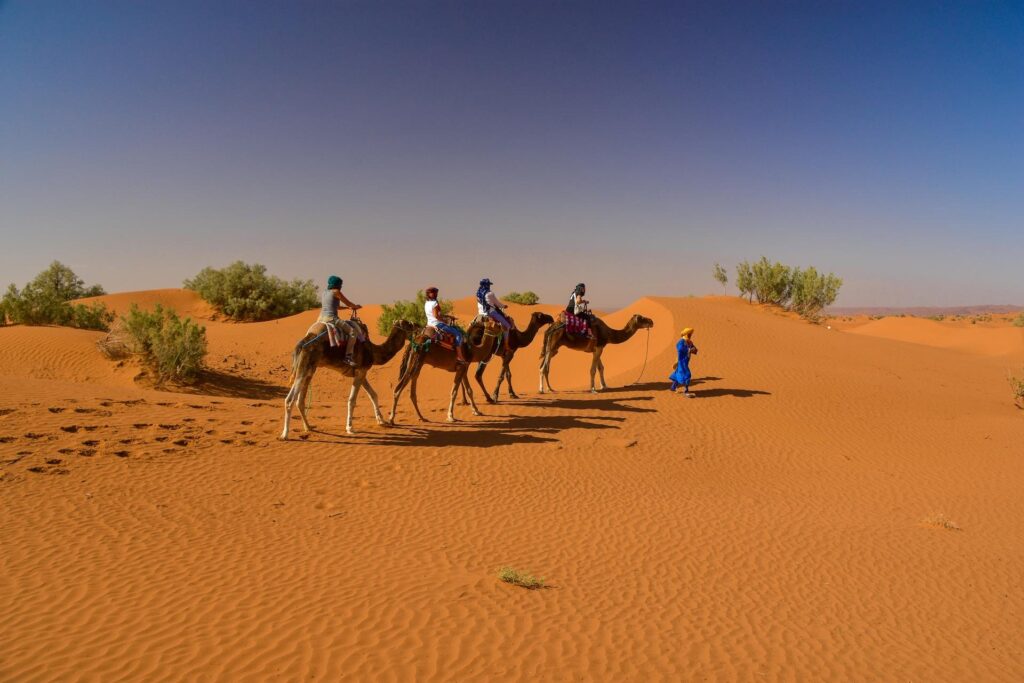
Unlike Merzouga, which is famous for the towering dunes of Erg Chebbi, the Zagora area is characterized by a mixture of smaller dunes, rocky desert terrain and oasis landscapes. Its main advantage is accessibility: travelers can cross the High Atlas Mountains, explore the Draa Valley, ride camels at sunset and spend a night at a desert camp without making the longer journey to Morocco’s far southeastern dunes.
The road trip is an important part of the experience. Traveling from Marrakech takes you through mountain passes, traditional villages, Ouarzazate and the palm groves of the Draa Valley before reaching Zagora. For an overview of the country’s wider desert experiences, Morocco’s official tourism site also provides information about planning a Sahara desert break.
Why Visit Zagora Desert Morocco?
Zagora is particularly well suited to travelers who want a short introduction to southern Morocco and the Sahara region. From Marrakech, a two-day itinerary is practical enough to include the major highlights without requiring three or more days on the road.
A Zagora trip typically combines several experiences in a single journey: crossing the High Atlas Mountains, seeing fortified villages and kasbahs, following the Draa Valley, riding a camel and sleeping in a desert camp. The scenery also changes dramatically along the route, making the journey appealing to photographers as well as travelers interested in Moroccan history and Berber culture.
The area around Zagora is generally less associated with vast sand seas than Merzouga. Travelers should therefore arrive with the right expectations. Choose Zagora for the road journey, oases, cultural landscapes and accessible desert experience rather than specifically for enormous golden dunes.
Where Is Zagora?
Zagora is located in southeastern Morocco in the Draa Valley, approximately 360 kilometers from Marrakech. Although the distance is manageable, the mountain roads and sightseeing stops mean the journey normally occupies much of the day.
The town developed along historic trans-Saharan trading routes. One of its best-known landmarks is the famous “Tombouctou 52 jours” sign, recalling an era when camel caravans traveled south toward Timbuktu. The modern town is now an important base for exploring the nearby desert, palm groves, villages and valley landscapes.
Marrakech to Zagora: What the Journey Is Like
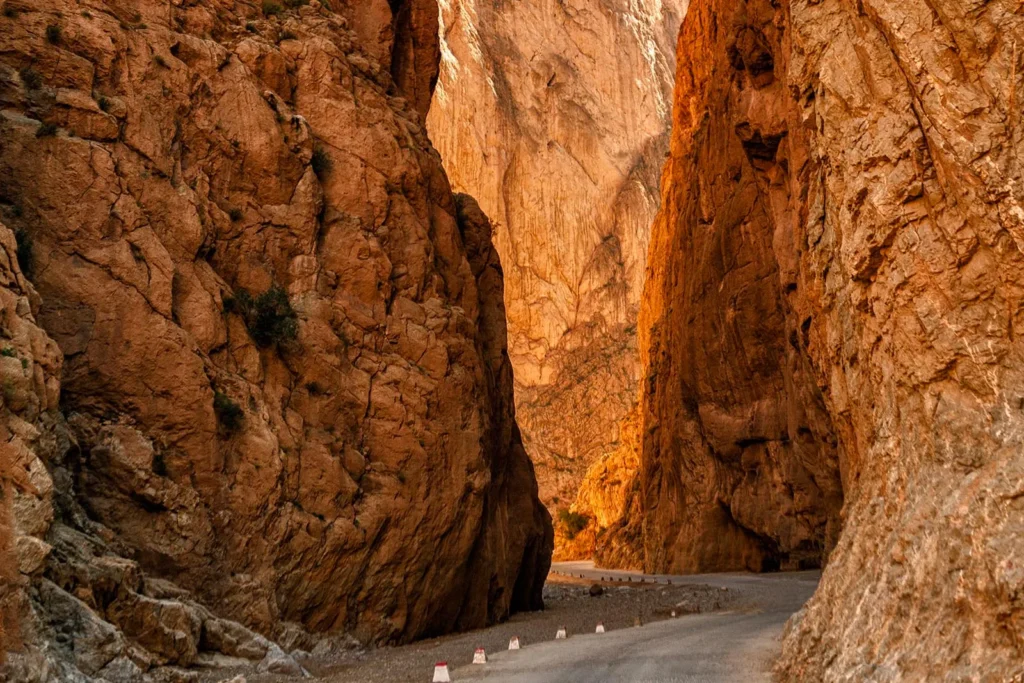
The drive from Marrakech to Zagora is more than a transfer between two destinations. The road climbs through the High Atlas Mountains and crosses the Tizi n’Tichka Pass, where mountain viewpoints reveal valleys, villages and rugged peaks. Road conditions, weather and sightseeing stops can all affect the total travel time.
Many desert itineraries stop at Ait Ben Haddou, the celebrated fortified settlement and UNESCO World Heritage Site, before continuing through the Ouarzazate region. Travelers who want to explore this area without continuing into the desert can instead consider a Day Trip to Ouarzazate – Ait Benhaddou from Marrakech.
After Ouarzazate, the road continues toward Agdez and the Draa Valley. Palm groves, earth-built kasbahs and settlements appear between dry mountains and desert plateaus before the route reaches Zagora. A private Morocco tour can be useful for travelers who value flexible photo stops and a journey tailored to their interests rather than a fixed group schedule.
Explore the Draa Valley
The Draa Valley is one of the defining landscapes of southern Morocco. Extending for more than 200 kilometers, the oasis corridor contains extensive date-palm groves, agricultural land, traditional villages and historic kasbahs surrounded by arid mountains.
The valley also has a long connection with trans-Saharan commerce. For centuries, caravan routes helped connect communities north of the Sahara with regions farther south. Today, traveling through the valley provides a chance to see how oasis agriculture, traditional architecture and desert geography come together in one landscape.
Best Zagora Desert Tours from Marrakech
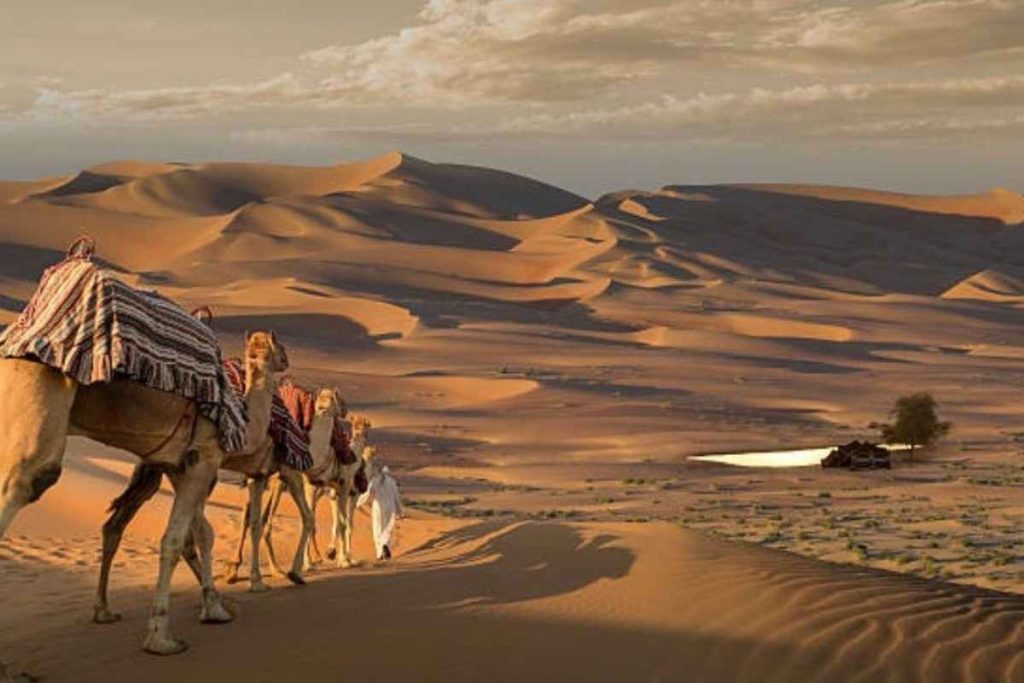
A two-day tour is the standard choice for travelers who want to experience Zagora while keeping their Morocco itinerary relatively short. A typical trip combines road transportation, sightseeing along the route, camel trekking, an evening meal, overnight desert-camp accommodation and breakfast. Exact inclusions can vary, so it is worth checking the itinerary before booking.
The Zagora 2 Days Desert Tour is designed for a short desert escape, while a 2 Days private Zagora Desert itinerary is better suited to travelers who prioritize privacy and flexibility. A private tour can be particularly useful for couples, families, small groups and photographers who want greater control over stops and pacing.
Travelers with more time can incorporate the south into a wider itinerary. A Morocco Imperial Cities journey offers a contrasting introduction to the country’s historic urban heritage before or after a desert experience.
Camel Trekking in Zagora
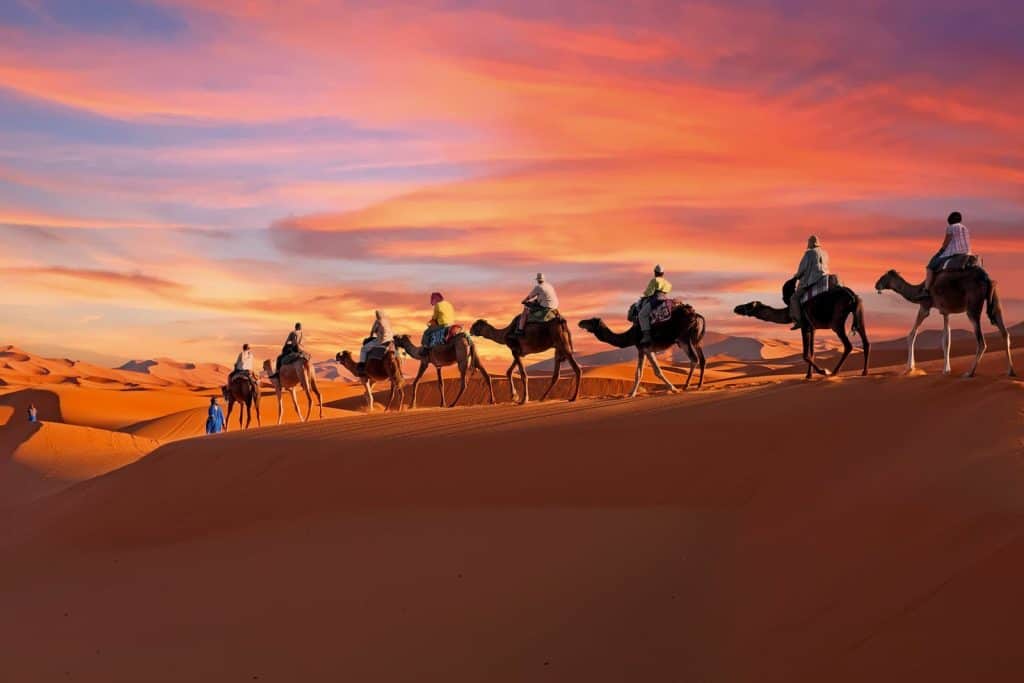
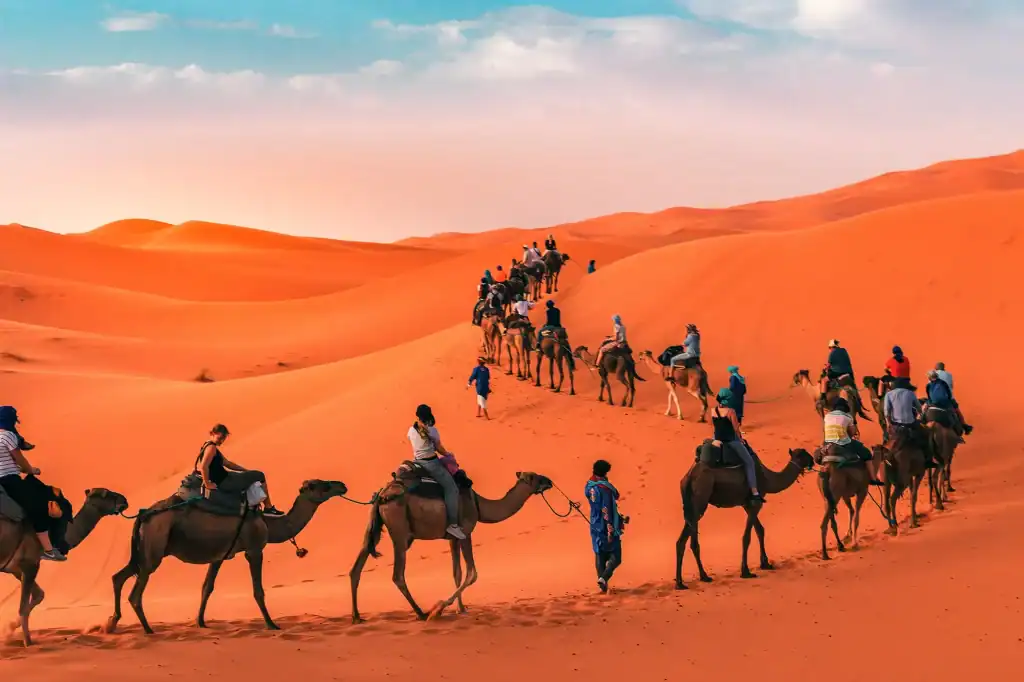
Camel trekking is one of the signature activities around Zagora and draws on the long history of camel transport across Saharan trade routes. Rides are commonly arranged in the late afternoon, when temperatures are usually more comfortable and the lower sun creates warmer colors across the landscape.
The experience is accessible to many first-time riders because local handlers guide the caravan. Travelers with back, hip or mobility concerns should discuss the activity with their tour operator in advance, as mounting and riding a camel can be physically demanding for some people.
If your schedule does not allow an overnight trip to Zagora, the Agafay area near Marrakech offers a much shorter desert-style excursion. Agafay is not part of the Sahara and has a rocky landscape, but it is a convenient option for activities and sunset experiences close to the city.
Sunset and Photography in Zagora
Late afternoon is one of the most atmospheric times to experience Zagora. As the sun drops, warm golden and orange tones spread across the dunes, rocky terrain and distant horizons. Sunrise can be equally rewarding, particularly around a desert camp before the return journey begins.
Photographers should remember that Zagora does not resemble the giant dune fields of Erg Chebbi. Its appeal comes from the combination of desert horizons, palms, kasbahs, mountains and the changing scenery throughout the road trip.
What to Expect from a Zagora Desert Camp
An overnight camp is usually the centerpiece of a two-day Zagora trip. Guests typically arrive after a camel ride and settle into camp before dinner. Depending on the chosen experience, the evening may include mint tea, Moroccan food, a campfire and traditional music, followed by time beneath the desert sky.
Accommodation standards vary. Simpler camps focus on the traditional overnight experience, while higher-comfort camps may provide larger beds, more private facilities and upgraded dining. If private bathrooms, specific bedding arrangements or other amenities are important to you, confirm them before booking rather than assuming every camp has the same facilities.
Top Things to Do in and Around Zagora
Zagora offers more than an overnight camel trek. Depending on your itinerary, season and tour arrangements, activities and sightseeing can include:
- Camel trekking through the desert landscape
- Watching sunrise or sunset
- Stargazing from a desert camp
- Exploring the Draa Valley’s palm groves
- Visiting traditional villages and historic kasbahs
- Learning about local Berber and oasis culture
- Trying sandboarding where suitable dunes and equipment are available
- Taking landscape and architectural photographs
- Joining quad-bike or other desert activities where offered
For travelers who mainly want motorized desert activities without the long drive to Zagora, quad biking in the Agafay Desert and a Buggy Adventure in Agafay Desert offer alternatives closer to Marrakech.

Best Time to Visit Zagora
Spring from March to May and autumn from September to November generally provide the most comfortable conditions for a Zagora desert trip. Days are more suitable for sightseeing and outdoor activities, while evenings can be cool.
Summer can be extremely hot, with daytime temperatures potentially exceeding 40°C. Winter days can be pleasant, but temperatures fall significantly after sunset and desert nights may feel surprisingly cold. Whatever the season, check the forecast shortly before departure and pack for both daytime and nighttime conditions.
What to Pack for a Zagora Desert Tour
Desert conditions can change considerably between the sunny daytime and the evening, so layers are more practical than packing for heat alone. Useful items include:
- Lightweight, breathable daytime clothing
- A warm jacket or extra layer for the evening
- Comfortable closed walking shoes
- A sun hat and sunglasses
- High-protection sunscreen
- A reusable water bottle
- A scarf for sun, wind and dust protection
- A camera or smartphone
- A portable power bank
- Personal medication and basic toiletries
Private Zagora Desert Tour or Group Tour?
The right format depends on your budget and how much flexibility you want. Group trips generally follow a predetermined schedule, while a Private Zagora Desert Tour gives your party greater control over the pace and sightseeing stops.
Private travel can be especially useful for families, couples and photographers. It also makes it easier to discuss preferred accommodation and activities before departure. Regardless of format, review what is included, how much driving is involved each day and what type of camp is provided.
Zagora vs Merzouga: Which Desert Should You Choose?
Zagora and Merzouga can both form part of a southern Morocco itinerary, but they offer noticeably different experiences. The decision usually comes down to available time and whether seeing very large sand dunes is a priority.
| Consideration | Zagora | Merzouga |
|---|---|---|
| Best for | Short desert trips from Marrakech | Travelers prioritizing large Sahara dunes |
| Typical minimum itinerary from Marrakech | About 2 days | About 3 days |
| Landscape | Rocky desert, smaller dunes and Draa Valley oases | Large dunes around Erg Chebbi |
| Choose it when | Time is limited | You can devote more time to the journey |
If towering dunes are your priority, allow additional travel time for Merzouga. Options include a 3-Days private from Marrakech to Merzouga Desert itinerary or a 3 Days To Merzouga desert tour. Three days remains a busy itinerary because of the considerable road distance, but it allows travelers to experience landscapes that differ significantly from Zagora.
Other Trips to Combine with Zagora and Marrakech
A desert journey can be one part of a longer Morocco holiday. If you are staying additional days in Marrakech, organized Day Trips provide an easy way to explore the Atlas Mountains, valleys and Atlantic coast without repeatedly changing accommodation.
Nature-focused options include a Day Trip to Ourika Valley, a Day Trip to The Three Valleys, or a Day Trip to Ouzoud Waterfalls. Travelers interested in the coast can choose a Day Trip From Marrakech to Essaouira.
For arrival and departure planning, prearranged Airport transfers can connect Marrakech Menara Airport with your accommodation before or after a desert itinerary.
Extending Your Morocco Itinerary
If Zagora forms part of a longer visit, Morocco’s cities provide a useful contrast to the south’s desert and oasis landscapes. Imperial-city itineraries may include Marrakech, Fes, Meknes and Rabat, while travelers continuing north can explore Mediterranean and Atlantic destinations such as Tangier and Tetouan. Combining regions makes it possible to experience Morocco’s historic cities, mountains, desert landscapes and coast within one broader journey.
Practical Tips for a Better Zagora Trip
- Expect substantial driving: a two-day trip is convenient compared with Merzouga, but much of the itinerary is still spent crossing the mountains and southern Morocco.
- Confirm camp standards: ask about bathroom facilities, bedding, meals and tent arrangements before booking.
- Bring layers: desert temperatures can change quickly after sunset.
- Protect yourself from the sun: sunscreen, sunglasses, a hat and water are particularly important.
- Allow flexibility: mountain weather, traffic and sightseeing stops can influence journey times.
- Set the right dune expectations: visit Zagora for an accessible desert and Draa Valley experience; choose Merzouga when giant dunes are essential to your trip.
Frequently Asked Questions
Is Zagora worth visiting?
Yes, particularly if you have limited time and want to combine southern Moroccan scenery, the Draa Valley, camel trekking and a desert-camp night. Travelers specifically seeking Morocco’s highest and most expansive golden dunes may prefer Merzouga.
How long does it take to travel from Marrakech to Zagora?
The drive typically takes around six to seven hours, although the total journey can be longer when sightseeing, meal and photography stops are included. Mountain road conditions can also affect travel time.
Can you visit Zagora from Marrakech in two days?
Yes. Two-day tours are the most common short itinerary. They generally leave Marrakech early on the first day, reach the Zagora area for the desert experience and overnight camp, and return to Marrakech the following day.
Does Zagora have large Sahara dunes?
Zagora has desert scenery and smaller dunes, but visitors should not expect the enormous golden dune fields associated with Erg Chebbi near Merzouga. This distinction is important when deciding which destination best matches your expectations.
Is camel trekking suitable for beginners?
Most Zagora camel treks are designed for visitors without previous riding experience and are accompanied by local handlers. Anyone with back, hip, joint or mobility problems should check whether camel riding is appropriate for them before the trip.
Are Zagora desert nights cold?
They can be, especially in winter. Even after a warm day, temperatures can fall considerably after sunset, so bringing a warm layer is advisable throughout much of the year.
Is Zagora suitable for families?
Zagora can work well for families because it requires less travel time than Merzouga, but the itinerary still involves long hours in a vehicle. Parents should consider their children’s comfort with extended road journeys and discuss camel riding and camp arrangements with the operator beforehand.
Is Zagora the Right Desert Trip for You?
Zagora is a strong choice when you want to experience southern Morocco without committing enough time for the longer journey to Merzouga. The trip combines the High Atlas Mountains, historic architecture, the Draa Valley, camel trekking, sunset scenery and an overnight desert camp within a compact itinerary.
Its greatest appeal is not giant dunes but variety. In two days, travelers can move from Marrakech’s urban energy through mountain landscapes and palm-filled oases to the quiet desert around Zagora. With realistic expectations about the driving time and landscape, a Zagora desert tour can be an excellent introduction to Morocco’s south.