Address
doha Imm E4 Res guilize 3éme TR, Marrakech-Medina - Maroc

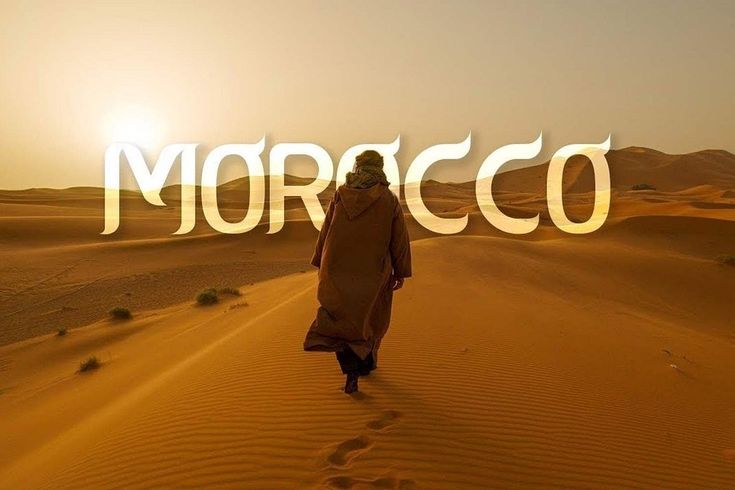
Morocco Cultural Tour: A Complete Guide to Authentic Heritage, Cities & Desert Traditions
Morocco Cultural Tour: A Complete Guide to Authentic Heritage, Cities & Desert Traditions
Introduction
Morocco sits at the crossroads of Africa, Europe, and the Arab world. As a result, its cultural landscape is one of the richest on the planet. A Morocco Cultural Tour opens doors to ancient medinas, Berber mountain villages, Saharan nomad camps, and imperial palaces that have stood for centuries. Whether you arrive through Marrakech, Fez, Casablanca, or Tangier, every region tells a layered story of trade, faith, artistry, and resilience. This guide covers everything you need to plan a deeply immersive cultural journey across the kingdom.
In the sections that follow, we will explore the imperial cities, the Atlas Mountains, the Sahara Desert, and the Atlantic coast. In addition, we will discuss Moroccan cuisine, artisan crafts, music, festivals, and spiritual traditions. By the end, you will understand exactly where to go in Morocco for the most rewarding cultural encounters. We will also compare tour styles, from private itineraries to Morocco Small Group Tours, so you can choose the format that fits your travel preferences and budget.
What Is a Morocco Cultural Tour?
A Morocco Cultural Tour is a travel experience designed around heritage, tradition, and local ways of life. Rather than rushing past monuments, a cultural tour invites you to slow down and engage with the people behind the scenery. You might share mint tea with a Berber family in the High Atlas, watch artisans carve zellige tile in Fez, or listen to Gnawa musicians perform at sunset in Essaouira. These moments create Authentic Morocco Travel Experiences that go far beyond standard sightseeing.
This article is part of our Berber village experience guide. When you are ready, compare it with our activities from Marrakech.
Moreover, a well-planned cultural tour connects diverse regions into a single narrative. For example, you can trace the route of ancient caravan traders from the Sahara to the imperial cities. Similarly, you can follow the spread of Andalusian architecture from northern Morocco to the southern kasbahs. The best Morocco tours weave history, geography, and human stories together so that each stop deepens your understanding of the last.
Why Morocco Is a Cultural Powerhouse
Morocco’s position on the Strait of Gibraltar has made it a meeting point for civilizations for over a thousand years. Phoenicians, Romans, Arabs, Berbers, Andalusians, Portuguese, and French have all left their mark on the country’s language, food, architecture, and customs. Consequently, a single walk through a Moroccan medina can reveal Roman columns, Islamic geometric patterns, Jewish quarter synagogues, and French colonial cafés within a few hundred meters. This density of cultural layers is rare anywhere in the world.
Furthermore, Morocco has preserved its traditions more actively than many neighboring countries. The monarchy supports artisan guilds, religious festivals continue uninterrupted, and Berber dialects thrive alongside Arabic and French. Therefore, visitors on a Morocco Cultural Tour encounter living traditions rather than museum exhibits. The result is a travel experience that feels both ancient and vibrantly contemporary at the same time.
The Berber Heritage of the Atlas Mountains
The Amazigh, or Berber people, are the original inhabitants of North Africa and remain the cultural backbone of rural Morocco. In the High Atlas and Anti-Atlas mountains, Berber villages cling to terraced hillsides where families still farm using centuries-old irrigation methods. A Morocco Cultural Tour that includes the Atlas region offers chances to visit weekly souks, enter traditional mud-brick homes, and learn about communal governance systems that predate modern state structures. These encounters are among the most genuine you will find in the country.
In addition, the Atlas Mountains serve as a gateway to the Sahara Desert. Many travelers combine a Berber village visit with Sahara desert tours from Marrakech that cross the Tizi n’Tichka pass and descend into the Draa Valley. Along the way, you will see kasbahs built by former caravan lords and oasis towns where date palms shade ancient ksour. The cultural continuity from mountain to desert is one of Morocco’s most compelling travel narratives.
Imperial Cities: Fez, Marrakech, Meknes, Rabat
Morocco’s four imperial cities—Fez, Marrakech, Meknes, and Rabat—form the historical core of any Morocco Cultural Tour. Each city served as a royal capital at different points in history, and each developed a distinct personality shaped by its ruling dynasty. Fez is known for its scholarly tradition and labyrinthine medina. Marrakech dazzles with its palaces, gardens, and the legendary Jemaa el-Fnaa square. Meknes offers a quieter, more intimate imperial experience, while Rabat blends modern governance with ancient fortifications.
Together, these four cities provide a comprehensive overview of Moroccan political and cultural evolution. A typical itinerary spends two to three days in each city, allowing time to explore mosques, madrasas, souks, and royal palaces. However, even a shorter visit to each city can be deeply rewarding if you travel with a knowledgeable local guide. Many of the best Morocco tours structure their routes around these imperial hubs, connecting them with scenic drives through the Middle Atlas and the countryside.
Fez: The Spiritual and Intellectual Heart
Fez is often called the cultural capital of Morocco, and for good reason. Its medina, Fez el-Bali, is a UNESCO World Heritage Site and one of the largest car-free urban areas in the world. Inside its narrow alleys, you will find the University of al-Qarawiyyin, founded in 859 CE and recognized as the oldest continuously operating university on Earth. A Morocco Cultural Tour that includes Fez offers an unmatched immersion into Islamic scholarship, Sufi traditions, and medieval urban life.
Meanwhile, the city’s famous tanneries provide one of the most photographed cultural scenes in North Africa. From rooftop terraces overlooking the dye pits, you can watch workers process leather using methods unchanged since the Middle Ages. In addition, Fez is a major starting point for Morocco desert tours from Fes that head south toward Merzouga and the Erg Chebbi dunes. These Fes desert tours often include stops at the cedar forests of Azrou and the Ziz Gorge, adding natural beauty to the cultural itinerary.
Marrakech: Where Culture Meets Spectacle
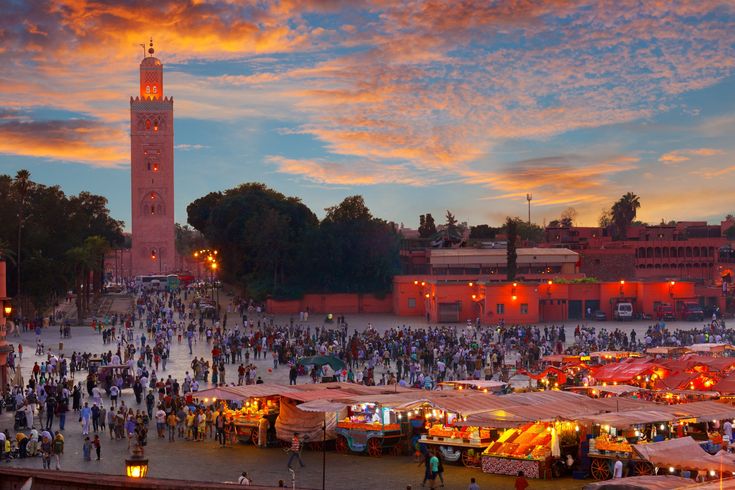
Marrakech is Morocco’s most visited city, and its cultural offerings are both vast and theatrical. The Jemaa el-Fnaa square transforms throughout the day, shifting from a morning market to an afternoon circus of storytellers, snake charmers, and musicians, and finally to an evening food festival under the stars. A Morocco Cultural Tour centered on Marrakech should include the Bahia Palace, the Saadian Tombs, the Ben Youssef Madrasa, and the Majorelle Garden. Each site reveals a different chapter of the city’s artistic and political history.
Beyond the monuments, Marrakech is a launchpad for some of the most popular excursions in the country. Marrakech desert tours head south across the Atlas to the Sahara, while day trips reach the Ourika Valley, Ouzoud Waterfalls, and the coastal town of Essaouira. Many travelers also book Morocco adventure tours that combine cultural visits with hiking, camel trekking, or quad biking in the Agafay Desert. The city’s central location makes it the ideal base for exploring southern and central Morocco.
Meknes and the Roman Ruins of Volubilis
Meknes is the least visited of the four imperial cities, yet it rewards curious travelers with a more relaxed and authentic atmosphere. The Bab Mansour gate is one of the most impressive in North Africa, and the underground granaries of the Royal Stables reveal the ambition of Sultan Moulay Ismail. A Morocco Cultural Tour that includes Meknes offers a quieter counterpoint to the intensity of Fez and Marrakech, allowing you to appreciate Moroccan architecture and history at a slower pace.
Just thirty kilometers from Meknes, the Roman ruins of Volubilis add an unexpected layer to the cultural narrative. These remarkably preserved mosaics and triumphal arches date to the second and third centuries CE, reminding visitors that Morocco’s history extends well beyond the Islamic period. Many custom Morocco tours pair a morning at Volubilis with an afternoon exploring Meknes’s medina and the nearby pilgrimage town of Moulay Idriss Zerhoun, creating a rich full-day cultural excursion.
Rabat: The Modern Capital with Ancient Roots
Rabat serves as Morocco’s political capital and offers a fascinating blend of modernity and antiquity. The Hassan Tower and the Mausoleum of Mohammed V stand as symbols of the country’s royal heritage, while the Kasbah of the Udayas provides a charming blue-and-white quarter overlooking the Atlantic Ocean. A Morocco Cultural Tour that includes Rabat gives you insight into how Morocco balances its traditional identity with its role as a modern African nation. The city’s museums, galleries, and cultural festivals reflect this dynamic tension beautifully.
In addition, Rabat’s location on the Atlantic coast makes it a convenient starting point for northern Morocco itineraries. Some travelers begin their journey here before heading north to Tangier, Chefchaouen, and the Rif Mountains. Others use Rabat as a stopover on longer routes that eventually connect to Desert Tours from Tangier or Sahara Tours from Casablanca. The city’s well-organized infrastructure and relatively calm atmosphere make it an excellent introduction to Moroccan culture for first-time visitors.

Moroccan Architecture and Design
Moroccan architecture is one of the most distinctive in the Islamic world, blending Arab, Berber, Andalusian, and sub-Saharan African influences. Key features include horseshoe arches, intricate stucco carvings, zellige tilework, carved cedar ceilings, and tranquil interior courtyards with central fountains. A Morocco Cultural Tour provides countless opportunities to admire these elements in mosques, madrasas, riads, and palaces. The Ben Youssef Madrasa in Marrakech and the Bou Inania Madrasa in Fez are two of the finest examples of Marinid-era craftsmanship.
Moreover, traditional Moroccan design principles continue to influence contemporary architecture and interior décor worldwide. The concept of the riad—a house organized around a private courtyard garden—has been adopted by designers far beyond North Africa. During your tour, you will likely stay in restored riads that showcase original tilework, plaster carving, and painted wood ceilings. These accommodations are themselves part of the cultural experience, offering a tangible connection to centuries of Moroccan domestic life.
The Medina Experience: Navigating the Old Cities
Every major Moroccan city has a medina, or walled old town, and exploring these dense urban labyrinths is a highlight of any Morocco Cultural Tour. The medinas of Fez and Marrakech are the most famous, but those in Essaouira, Tetouan, and Chefchaouen each have their own character and charm. Inside the medina walls, you will find souks organized by trade—leather workers in one quarter, metalworkers in another, spice merchants in a third—following a guild system that dates back centuries.
However, navigating a medina for the first time can feel overwhelming. The alleys are narrow, signage is minimal, and the sheer density of shops and workshops can be disorienting. Therefore, hiring a local guide for at least your first medina visit is highly recommended. A good guide will not only help you find your way but also introduce you to artisans, explain the history of each quarter, and negotiate fair prices at the souks. This personal interaction is what transforms a simple walk into a genuine cultural exchange.
Moroccan Cuisine as a Cultural Journey
Food is one of the most accessible and enjoyable entry points into Moroccan culture. A traditional meal might begin with a spread of cooked salads, followed by a slow-cooked tagine of lamb with prunes and almonds, and conclude with fresh fruit and mint tea. Couscous, typically served on Fridays, is a communal dish that brings families together around a shared platter. A Morocco Cultural Tour that includes cooking classes or market visits offers a hands-on way to understand the spices, techniques, and social rituals behind Moroccan cuisine.
In addition, each region of Morocco has its own culinary specialties. The coastal cities of Essaouira and Safi are famous for grilled sardines and seafood tagines. The Sahara region features dishes made with camel meat and dates, while the Atlas Mountains offer hearty Berber stews cooked over open fires. Fez is known for its sophisticated pastilla, a sweet-and-savory pie filled with pigeon or chicken. Sampling these regional variations is one of the most delicious ways to experience the country’s cultural diversity.
Traditional Music and Performing Arts
Morocco’s musical traditions are as diverse as its cultural heritage. Gnawa music, with its hypnotic rhythms and spiritual origins in sub-Saharan Africa, is perhaps the most internationally recognized genre. The annual Gnawa World Music Festival in Essaouira draws thousands of visitors each June. Meanwhile, Andalusian classical music, performed by orchestras in Fez and Tetouan, preserves melodies that traveled from medieval Spain. A Morocco Cultural Tour timed to coincide with a music festival can elevate your experience from memorable to unforgettable.
Furthermore, storytelling and oral poetry remain vital art forms in rural Morocco. In the Jemaa el-Fnaa square of Marrakech, professional storytellers gather crowds each evening with tales of love, adventure, and moral lessons. In Berber villages of the Atlas, women perform ahwash dances during weddings and harvest celebrations. These living performance traditions are an integral part of the cultural fabric, and witnessing them firsthand is one of the most powerful aspects of Authentic Morocco Travel Experiences.
Artisan Crafts: From Zellige to Leather
Morocco’s artisan traditions are among the most vibrant in the world, and they play a central role in any Morocco Cultural Tour. The country’s craft guilds produce an astonishing range of handmade goods, including zellige mosaic tiles, carved plaster, turned brass lanterns, hand-woven carpets, and tooled leather goods. Each craft requires years of apprenticeship, and many workshops are family-run businesses that have operated in the same medina quarters for generations. Visiting these workshops gives you a deep appreciation for the skill and patience behind every piece.
In particular, the tanneries of Fez and the carpet cooperatives of the Middle Atlas are must-see stops for culturally curious travelers. The Chouara Tannery in Fez has been processing leather since the eleventh century, and the sight of workers standing in stone vats of natural dyes is both striking and humbling. In the Atlas, Berber women weave geometric-patterned rugs using techniques passed down through oral tradition. Purchasing directly from these artisans supports local economies and ensures that these traditions continue for future generations.
Religious and Spiritual Traditions
Islam is the dominant religion in Morocco, and its influence permeates daily life, architecture, and social customs. The call to prayer echoes from minarets five times a day, and the rhythm of Ramadan shapes the entire country’s schedule for a full month each year. A Morocco Cultural Tour offers respectful opportunities to learn about Islamic practices, visit historic mosques, and explore the country’s rich Sufi traditions. The zaouias, or Sufi lodges, of Fez and Meknes are particularly significant spiritual sites.
Moreover, Morocco has a long history of religious coexistence that adds depth to its cultural narrative. The mellahs, or Jewish quarters, of Fez, Marrakech, and Essaouira contain some of the oldest synagogues in the world. The Jewish cemetery in Fez dates back over five hundred years and remains an active site of pilgrimage. In recent years, the Moroccan government has invested heavily in restoring Jewish heritage sites, recognizing them as an essential part of the national identity. Including these sites in your itinerary enriches your understanding of Morocco’s multicultural past.
The Sahara Desert: Cultural Encounters with Nomads
No Morocco Cultural Tour is complete without a visit to the Sahara Desert, where nomadic traditions persist despite the pressures of modernity. The Erg Chebbi dunes near Merzouga and the Erg Chigaga dunes near M’Hamid are the two main desert destinations, each offering camel treks, overnight camps, and encounters with Amazigh nomad families. These experiences reveal a way of life shaped by extreme conditions, where hospitality, navigation by the stars, and communal storytelling are essential survival skills.
Sahara desert tours from Marrakech are the most popular option, typically involving a two-to-three-day journey across the Atlas Mountains and through the Draa or Todra Gorges. However, Morocco desert tours from Fes also reach the Sahara via a different route that passes through the cedar forests of the Middle Atlas and the Ziz Valley. For travelers arriving from the north or the coast, Casablanca desert tours and Sahara Tours from Casablanca provide convenient connections to the desert via the imperial cities. Each route offers a distinct cultural and scenic experience.
Coastal Culture: Essaouira and the Atlantic
Morocco’s Atlantic coast offers a striking contrast to the imperial cities and the Sahara. Essaouira, a UNESCO-listed port town, is famous for its Portuguese-era ramparts, thriving art galleries, and laid-back atmosphere. The annual Gnawa Music Festival transforms the town into a cultural hub each summer, while the daily fish auction at the port provides a vivid glimpse into coastal life. A Morocco Cultural Tour that includes Essaouira adds a maritime dimension to your understanding of Moroccan identity.
In addition, the coastal towns of Asilah, Larache, and El Jadida each have their own cultural stories to tell. Asilah hosts an international arts festival each August, during which murals are painted on the medina walls. El Jadida’s Portuguese cistern, made famous by Orson Welles’s film Othello, is a haunting underground chamber that reflects Morocco’s colonial past. Including at least one coastal stop in your itinerary broadens the cultural scope of your trip and provides welcome relief from the heat of the interior.
Festivals and Seasonal Celebrations
Morocco’s festival calendar is packed with cultural events that can transform a standard tour into an extraordinary experience. The Fes Festival of World Sacred Music, held each June, brings together musicians from diverse spiritual traditions for performances in historic venues across the medina. The Rose Festival in the Dades Valley celebrates the annual rose harvest with parades, music, and traditional dances. Meanwhile, the Imilchil Marriage Festival in the High Atlas is a unique Berber gathering where families from remote villages come together to arrange marriages and celebrate their shared heritage.
Therefore, timing your Morocco Cultural Tour to coincide with a major festival can add an unforgettable layer to your journey. However, it is important to book well in advance, as accommodation fills up quickly during peak festival periods. Your tour operator can help you align your itinerary with the festival calendar and secure the necessary reservations. Many tailor made Morocco tours are specifically designed around festival dates, ensuring that you experience the country’s cultural celebrations at their most vibrant.
Morocco Family Tours and Cultural Education
Traveling with children offers a wonderful opportunity to introduce younger generations to global cultures, and Morocco is an exceptionally family-friendly destination. A Morocco Cultural Tour designed for families might include camel rides in the Sahara, pottery workshops in Safi, cooking classes in Marrakech, and visits to monkey-filled cedar forests near Azrou. These hands-on activities engage children in ways that passive sightseeing cannot, creating lasting memories and fostering cross-cultural understanding from an early age.
Morocco Family Tours also benefit from the country’s renowned hospitality toward children. Moroccan families are large and child-centered, and young travelers are often welcomed warmly at riads, restaurants, and market stalls. In addition, the relatively short distances between major cultural sites mean that long, exhausting drives can be minimized. Many tour operators offer family-specific itineraries that balance cultural visits with outdoor activities, ensuring that both adults and children stay engaged and energized throughout the trip.
Small Group vs. Private Cultural Tours
Choosing the right tour format is one of the most important decisions you will make when planning a Morocco Cultural Tour. Small Group Morocco Tours typically include eight to sixteen travelers and follow a fixed itinerary that covers the major cultural highlights. These tours are cost-effective, socially engaging, and well-suited to solo travelers or couples who enjoy meeting new people. Authentic Small Group Morocco Tours often include local guides, home-cooked meals, and visits to lesser-known cultural sites that larger groups cannot access.
On the other hand, private tours offer complete flexibility and personalized attention. With a private guide and driver, you can adjust your pace, linger at sites that interest you, and skip those that do not. Custom Morocco tours allow you to focus on specific cultural themes, such as Islamic architecture, Berber traditions, or culinary arts. While private tours are more expensive, they provide a level of depth and intimacy that is difficult to achieve in a group setting. The best choice depends on your budget, travel style, and cultural priorities.
Tailor Made Morocco Tours for Cultural Depth
For travelers who want a deeply personalized experience, tailor made Morocco tours offer the ultimate in cultural immersion. These bespoke itineraries are designed from scratch based on your interests, fitness level, and available time. Whether you want to spend a week studying zellige craftsmanship in Fez or three weeks tracing the ancient caravan routes from the Sahara to the Atlantic coast, a custom itinerary can make it happen. The flexibility of a tailor-made approach ensures that every day of your trip is meaningful and aligned with your cultural goals.
In addition, tailor-made tours can accommodate special requests that standard itineraries cannot. For example, you might want to attend a private Gnawa music performance, arrange a meeting with a Sufi scholar, or participate in a Berber wedding celebration. These unique experiences require local connections and advance planning that only experienced tour operators can provide. When you invest in a custom Morocco tour, you are not just booking a trip; you are commissioning a one-of-a-kind cultural journey.
Practical Tips for a Cultural Tour
Preparing for a Morocco Cultural Tour involves a few practical considerations that will enhance your experience. First, dress modestly when visiting religious sites and rural villages; covering shoulders and knees is a sign of respect. Second, learn a few basic phrases in Darija or Tamazight; even a simple “salam alaikum” or “shukran” goes a long way in building rapport with locals. Third, carry small bills for tipping, as gratuities are customary for guides, drivers, and restaurant staff.
Furthermore, be mindful of photography etiquette. Always ask permission before photographing people, especially in rural areas and religious settings. Some artisans may welcome the opportunity to be photographed at work, while others may prefer privacy. In addition, keep an open mind about cultural differences in timekeeping, bargaining, and personal space. Morocco operates on a more relaxed schedule than many Western countries, and embracing this slower pace is part of the cultural experience. Patience and curiosity will serve you well throughout your journey.
Best Time of Year for a Cultural Tour
The timing of your Morocco Cultural Tour can significantly affect your experience. Spring (March to May) and autumn (September to November) are generally the best seasons, offering mild temperatures across most of the country. During these months, the imperial cities are comfortable to explore on foot, the Atlas Mountains are green and accessible, and the Sahara is warm but not dangerously hot. Summer can be extremely hot in the interior, while winter brings cold nights to the desert and snow to the higher Atlas passes.
However, the best time also depends on which cultural events you want to attend. The Fes Sacred Music Festival falls in June, the Essaouira Gnawa Festival in late June or early July, and the Imilchil Marriage Festival in September. If a specific festival is on your list, plan your tour around those dates regardless of the season. Many of the best Morocco tours are designed to align with the festival calendar, so consult with your tour operator early to secure the ideal dates for your cultural itinerary.
Connecting Culture with Desert Adventures
Many travelers combine cultural exploration with outdoor adventure, and Morocco makes this combination effortless. A Morocco Cultural Tour can easily incorporate hiking in the Todra Gorge, camel trekking in the Erg Chebbi dunes, or surfing on the Atlantic coast near Taghazout. Morocco adventure tours often weave these activities into a broader cultural framework, so you might hike through a Berber village in the morning and attend a traditional music performance in the evening. This blend of physical activity and cultural immersion creates a dynamic and well-rounded travel experience.
For example, a popular multi-day itinerary might begin with cultural visits in Marrakech, cross the Atlas Mountains via the Tizi n’Tichka pass, explore the kasbahs of Ouarzazate, and culminate in a Sahara camel trek from Merzouga. Along the way, you would encounter Berber communities, ancient trading posts, and dramatic desert landscapes. Sahara desert tours from Marrakech of this type typically last three to five days and can be extended to fit a longer 3 weeks in Morocco itinerary that also includes the imperial cities and the coast.
Where to Go in Morocco: A Regional Overview
Deciding where to go in Morocco depends on your cultural interests and available time. The imperial cities of Fez, Marrakech, Meknes, and Rabat form the essential core of any cultural itinerary. The Sahara Desert adds nomadic traditions and dramatic landscapes. The Atlas Mountains provide Berber village encounters and hiking opportunities. The Atlantic coast offers maritime culture, seafood, and a more relaxed pace. Northern Morocco, including Tangier, Chefchaouen, and Tetouan, reveals Andalusian and Mediterranean influences that differ markedly from the south.
For travelers with two to three weeks, a comprehensive 3 weeks in Morocco itinerary can cover all of these regions in a logical loop. You might start in Casablanca, head north to Rabat and Tangier, swing east to Fez, cross the Atlas to the Sahara, and return via Marrakech and Essaouira. This grand circuit ensures that you experience the full spectrum of Moroccan culture, from imperial grandeur to desert simplicity. Both morocco group tours and private itineraries can be structured around this classic route.
Planning Your Morocco Cultural Tour
The final step in preparing for your Morocco Cultural Tour is choosing a reputable tour operator who understands the cultural depth of the country. Look for companies that employ local guides, support community-based tourism, and offer flexible itineraries that can be adjusted to your interests. Whether you prefer Small Group Morocco Tours, private custom Morocco tours, or a combination of both, the right operator will ensure that your journey is authentic, respectful, and deeply enriching. Reading reviews, asking detailed questions, and comparing itineraries will help you make an informed decision.
In conclusion, a Morocco Cultural Tour is one of the most rewarding travel experiences available anywhere in the world. From the labyrinthine medinas of Fez to the golden dunes of the Sahara, from the artisan workshops of Marrakech to the blue streets of Chefchaouen, every corner of this country offers a new cultural discovery. Whether you book one of the best Morocco tours available or design a fully custom itinerary, the result will be a journey that broadens your perspective and stays with you for a lifetime. Start planning today, and let Morocco’s extraordinary heritage transform the way you see the world.