Address
doha Imm E4 Res guilize 3éme TR, Marrakech-Medina - Maroc

Things to Do in Casablanca: The Complete Travel Guide (Attractions, Food, Day Trips & Desert Tours)
Things to Do in Casablanca: The Complete Travel Guide (Attractions, Food, Day Trips & Desert Tours)
Casablanca is often Morocco’s most misunderstood city. Many travelers treat it as a quick arrival point because of the airport, then rush to Marrakech, Fes, or the desert. However, Casablanca rewards anyone who slows down for even one or two days, because it offers a different Morocco: modern, coastal, design-forward, and deeply local in everyday life.
At the same time, Casablanca is a practical base for exploring the country. Thanks to its trains, highways, and international connections, it can be the easiest place to start a longer itinerary—or to book Small Group Morocco Tours, morocco group tours, or tailor made Morocco tours that connect the coast, imperial cities, and the Sahara. As a result, learning the best Things to Do in Casablanca helps you plan smarter, not just “see more.”
Why Casablanca is worth visiting (and what to expect)
Casablanca is Morocco’s economic capital, which means it feels more “real-life” than postcard-perfect. Instead of a fully preserved historic medina like Fes, you’ll find Art Deco streets, business districts, seaside promenades, and neighborhoods where locals shop, commute, and socialize. Therefore, the experience is less about staged sightseeing and more about understanding contemporary Morocco.
That difference can surprise first-time visitors, but it’s also what makes Casablanca special. If you’re looking for Authentic Morocco Travel Experiences, Casablanca gives you a strong sense of how Moroccans live today—cafés, markets, mosques, tramways, and ocean air included. In addition, it’s an excellent starting point for Sahara Tours from Casablanca and coastal day trips that many Marrakech-based travelers never see.
Quick planning tips (time needed, budget, and best areas)
For most travelers, 1 to 2 full days is ideal in Casablanca. One day covers the highlights like the Hassan II Mosque and the Corniche, while a second day lets you explore Habous, local markets, museums, and food spots without rushing. Consequently, you’ll enjoy the city instead of constantly watching the clock.
Budget-wise, Casablanca can be slightly pricier than smaller Moroccan towns, especially for accommodation and trendy restaurants. Still, it offers great value if you choose the right neighborhood and plan transport well. For example, staying near the city center (Maarif, Gauthier, Bourgogne, or near the Corniche) reduces taxi time, while day trips by train can be cheaper and more comfortable than private transfers.
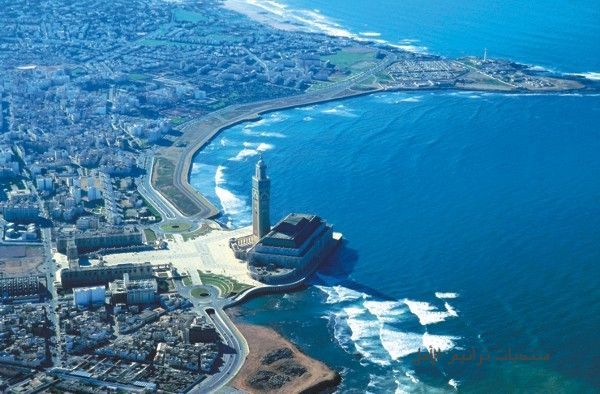
1) Visit the Hassan II Mosque (Casablanca’s must-see landmark)
The Hassan II Mosque is the single most iconic attraction in Casablanca, and for good reason. Built partly over the Atlantic Ocean, it blends Moroccan craftsmanship with monumental scale, featuring intricate zellige tilework, carved cedar ceilings, and a stunning prayer hall. Moreover, it’s one of the rare mosques in Morocco that non-Muslim visitors can enter on guided tours, which makes it an essential stop for cultural travelers.
To make the visit smoother, arrive early and check tour times in advance, because schedules can change on Fridays or religious holidays. In addition, dress respectfully and bring socks if you prefer, since shoes are removed in certain areas. If you’re traveling with a guide or on Morocco Small Group Tours, ask for historical context, because understanding the symbolism and craftsmanship makes the experience far more meaningful.
2) Walk the Corniche (Ain Diab) for ocean views and city energy
The Corniche in Ain Diab is Casablanca’s seaside “living room.” You can stroll along the ocean, stop for coffee, and watch locals enjoying the breeze—especially in the late afternoon and evenings. While it’s not a quiet beach town, the Corniche is perfect if you want to feel Casablanca’s rhythm: modern, social, and connected to the sea.
Because the Corniche area is spread out, it helps to decide what you want: a simple walk, a café break, or a beach club day. In addition, the light near sunset can be excellent for photography, so it’s worth timing your visit carefully. If you’re building a broader Morocco plan and wondering Where to Go in Morocco after Casablanca, the Corniche is a good reminder that Morocco is not only deserts and mountains—it’s also Atlantic coastline.
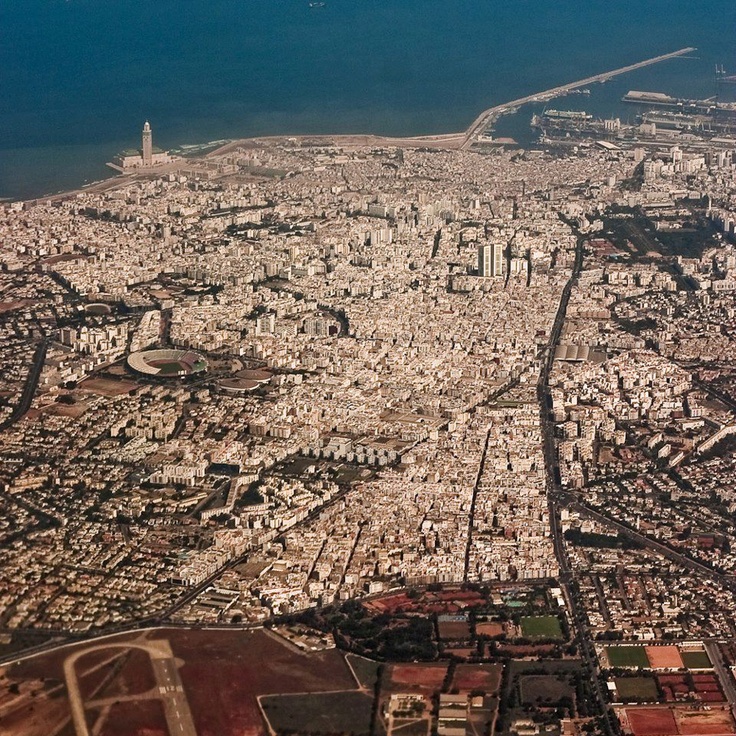
3) Explore the Old Medina (a local, unfiltered Casablanca experience)
Casablanca’s Old Medina is smaller and less polished than those in Marrakech or Fes, yet it’s still worth exploring. The alleyways feel local and working-class, with everyday shops, street food, tailors, and small markets. Therefore, the Old Medina gives you an honest glimpse of Casablanca life, rather than a tourist-focused version.
That said, it’s best visited in daylight and with a calm, aware mindset. In contrast to tourist-heavy medinas, you won’t see many signs or curated pathways, so it’s easy to get disoriented. If you prefer structure, go with a local guide or join Authentic Small Group Morocco Tours that include the medina as part of a city walk, because guided context improves comfort and helps you notice details you might otherwise miss.
4) Discover the Habous Quarter (New Medina) for crafts and calm streets
The Habous Quarter—sometimes called the “New Medina”—is one of the most enjoyable places to walk in Casablanca. Built during the French Protectorate, it combines traditional Moroccan architectural styles with a more organized layout, resulting in pleasant arcades, quiet streets, and beautiful craft shops. As a result, Habous often feels like the most “photogenic” part of the city for visitors.
Shopping here can be more relaxed than in Marrakech, especially if you want leather goods, ceramics, olive wood, or traditional clothing without intense bargaining pressure. In addition, Habous is excellent for picking up gifts, because quality is often consistent and the environment is calmer. If you’re traveling as a couple or family, this area is also a good place to slow down and enjoy a tea break between sightseeing stops.
5) Admire Art Deco architecture in the city center
Casablanca has one of North Africa’s strongest Art Deco collections, and you don’t need to be an architecture expert to enjoy it. Just walking around the city center reveals curved balconies, geometric facades, elegant doorways, and old cinemas that hint at Casablanca’s 20th-century boom. Therefore, the city becomes more interesting when you start looking up, not just forward.
For a more focused experience, consider an architecture walk in neighborhoods like Boulevard Mohammed V and nearby streets. Meanwhile, keep an eye out for restored buildings and those still weathered by ocean air—both tell a story. If you’re creating content or planning custom Morocco tours for photography and design lovers, Casablanca’s Art Deco angle is a strong theme that differentiates it from Marrakech or Fes.
6) Visit Mohammed V Square and the administrative district
Mohammed V Square is the heart of central Casablanca’s civic life. Surrounded by formal buildings, fountains, and open space, it’s an easy stop while moving between neighborhoods. Although it’s not a “big attraction” like the mosque, it provides context for Casablanca’s history and modern identity as a functioning metropolis.
Because it’s central, this area works well as a connector: you can combine it with Art Deco walks, a quick café stop, and a visit to nearby cultural sites. In addition, the square is often lively in the early evening when locals gather. If you’re short on time, even a 15–20 minute walk-through helps you understand the city’s layout and energy.
7) See the Sacré-Cœur Cathedral (and nearby parks)
The Sacré-Cœur Cathedral is a striking landmark that reflects Casablanca’s layered history. Its architecture blends European and Moroccan influences, and even from the outside, it’s an impressive photo stop. While access can vary depending on events or restorations, the building remains a fascinating symbol of the city’s multicultural past.
Nearby green spaces and boulevards make this area pleasant for a slower pace. Consequently, it’s a good option if you want a calmer break between busier market visits or shopping streets. If you’re traveling with family, this is also a practical stop because it doesn’t require long walking distances or complicated logistics.
8) Shop (or simply visit) Morocco Mall and Anfa Place
If you want to see Morocco’s modern side, Morocco Mall is one of Africa’s largest shopping centers. Even if you’re not interested in shopping, it’s an easy place for dining, people-watching, and practical needs like pharmacies or international brands. Moreover, it can be useful on a rainy day or if you need a comfortable break from street heat.
Anfa Place, closer to the Corniche vibe, also offers sea-adjacent cafés and a more open feel. In addition, these areas can be convenient for families who want predictable facilities and dining options. While this isn’t “traditional Morocco,” it is still part of Morocco today, and it helps balance your view of the country—especially if your itinerary also includes historic medinas and the Sahara.
9) Enjoy Casablanca’s food scene (markets, cafés, and seafood)
Casablanca is one of Morocco’s best cities for eating well, because it attracts chefs, business travelers, and diverse influences. You can find traditional tagines and couscous, but also excellent seafood, French-style patisseries, and modern Moroccan fusion. Therefore, food becomes a major “activity” here, not just something you do between attractions.
For a more local experience, explore the Central Market area, try grilled fish, and consider sampling street snacks in busy neighborhoods. In addition, Casablanca’s café culture is strong—lingering over coffee is practically a local sport. If you’re designing Authentic Morocco Travel Experiences, adding a food walk or cooking experience in Casablanca can make the city feel personal and memorable.
10) Visit the Central Market (Marché Central) for local life
The Central Market is one of the easiest places to feel Casablanca’s everyday pulse. You’ll see fish stalls, produce vendors, spice sellers, and small eateries that serve quick meals. Unlike curated tourist markets, this is primarily for locals, which is precisely why it feels authentic.
Go earlier in the day for the freshest selection and a more comfortable atmosphere. Also, keep small cash on hand for snacks or simple purchases. If you’re traveling on Morocco Family Tours, markets can be surprisingly fun for kids—colors, smells, and quick treats—yet it’s best to keep the visit short and focused so it stays enjoyable.
11) Relax at beaches near Casablanca (Ain Diab, Dar Bouazza, and beyond)
Casablanca itself has beach areas, but the best “relaxing beach day” often happens slightly outside the city. Dar Bouazza, for example, is popular for beach clubs and a more leisure-focused atmosphere. Consequently, if your goal is swimming and sun rather than city strolling, a short drive can make a big difference.
Because the Atlantic can be windy and the water can feel cool, it helps to set expectations. Nevertheless, even a simple ocean walk can be refreshing after medina exploring. If you’re comparing Morocco coastal time versus desert time in your itinerary, consider balancing Casablanca’s seaside with later inland travel to Marrakech, Fes, or the Sahara.
12) Explore museums and galleries (Villa des Arts and contemporary culture)
Casablanca’s cultural scene is often overlooked, yet it’s one of Morocco’s strongest for contemporary art and exhibitions. Villa des Arts is a good example: it offers a curated space where you can connect with modern Moroccan creativity. In addition, galleries and cultural centers pop up across the city, especially in areas frequented by students and professionals.
If you’re the type of traveler who enjoys culture beyond monuments, Casablanca can surprise you. Moreover, art visits are a great “low-energy” activity between heavier sightseeing days. When combined with cafés and Art Deco walks, a museum stop helps Casablanca feel like a complete destination rather than only a transit city.
13) Take a tram ride to understand the city (simple, cheap, and practical)
Casablanca’s tramway system is one of the easiest ways to move around without constant taxi negotiation. It’s clean, affordable, and useful for connecting major parts of the city, especially if you’re staying in central areas. Therefore, riding the tram is not only transport—it’s also a small cultural experience in itself.
For visitors, the tram helps reduce stress and makes planning easier. In addition, it can be helpful for budget travelers or anyone who prefers predictable routes. Just stay mindful of personal belongings during crowded times, as you would in any big city public transport system.
14) Try a hammam or spa experience (classic Morocco, city style)
A hammam visit can be one of the most memorable experiences in Morocco, and Casablanca offers both local neighborhood hammams and higher-end spa versions. The experience varies widely: local hammams are more authentic but less private, while spas provide comfort, organization, and a softer introduction for first-timers. Consequently, you can choose what matches your comfort level.
If you’re traveling as a couple or on a shorter trip, a spa-style hammam can be the easiest option. Meanwhile, if your goal is authenticity, ask locals or your hotel for recommendations and guidance on etiquette. Either way, hammams are a strong addition to Authentic Morocco Travel Experiences, because they connect you to a tradition that Moroccans still live regularly.
15) Take day trips from Casablanca (Rabat, El Jadida, Azemmour, and more)
Casablanca’s location makes it ideal for day trips. Rabat is an easy train ride away and offers a calmer capital-city feel, while El Jadida provides coastal history and a charming slower pace. As a result, you can add variety to your Casablanca stay without changing hotels.
If you have time, consider Azemmour for a more local artistic vibe, or Mohammedia for a lighter coastal break. In addition, day trips are a smart solution if Casablanca feels too “big city” for your taste—you can sleep in Casablanca for convenience, then explore calmer places during the day. This strategy works particularly well for families and for travelers planning longer routes.

Suggested Casablanca itineraries (1 day, 2 days, 3 days)
Casablanca in 1 day (highlights)
Start your day with the Hassan II Mosque, because it’s the city’s top attraction and best visited earlier before crowds grow. Then, head toward the Corniche for a seaside walk and lunch, which balances culture with relaxed coastal energy.
In the afternoon, explore Habous for shopping and a calmer medina atmosphere, and finish with an Art Deco stroll near the center. If you have time, add the Central Market for a quick snack or local vibe. This one-day plan is efficient, but it still feels varied rather than rushed.
Casablanca in 2 days (deeper city experience)
On day one, follow the one-day highlights: mosque, Corniche, and Habous. However, slow down the pacing so you can enjoy cafés and photography without constantly moving. As a result, the city starts to feel familiar instead of overwhelming.
On day two, focus on the city center: Art Deco walk, Mohammed V Square, museum/gallery visit, and local market time. In addition, you can add a hammam in the evening for recovery and cultural immersion. This two-day plan suits most travelers, especially those building a longer Morocco itinerary.
Casablanca in 3 days (city + day trip)
With three days, you can combine Casablanca sightseeing with a day trip—Rabat is the easiest and most rewarding. Spend the first two days exploring Casablanca properly, then use the third day for Rabat or El Jadida. Consequently, you get both “modern metropolis” and “historic coastal calm” in one compact plan.
This format also works well if you’re waiting for a tour departure. Many morocco group tours and Morocco Small Group Tours begin from Casablanca, so the third day can align with travel logistics. If your plan includes desert travel later, this pacing keeps you energized rather than exhausted.
Casablanca Desert Tours & Sahara Tours from Casablanca (what’s realistic)
Many travelers search for Casablanca desert tours and imagine a quick trip to sand dunes. In reality, the Sahara is far from Casablanca, so a true dune experience requires multiple days. Therefore, Sahara Tours from Casablanca are best planned as 3 to 6-day routes depending on how comfortable you want the driving pace to be.
A common, efficient route goes Casablanca → Fes → Midelt/Erfoud → Merzouga (Erg Chebbi) with a desert camp overnight. This connects naturally with Fes desert tours and broader Morocco desert tours from Fes, because Fes is a logical northern gateway to the Sahara. If you’re deciding between starting in Casablanca or Marrakech, note that Sahara desert tours from Marrakech are also popular, yet Casablanca-to-Sahara routes often make sense when your flights arrive in Casablanca first.
How Casablanca connects to other Morocco tour styles (small group, private, custom)
Casablanca is a strong starting point for Small Group Morocco Tours because transport logistics are easy and flight connections are frequent. In addition, small group travel can offer a good balance: more social than private travel, but more flexible than big buses. Consequently, travelers who want value without sacrificing comfort often choose Authentic Small Group Morocco Tours starting from Casablanca.
If you want complete control, choose tailor made Morocco tours or custom Morocco tours that begin in Casablanca and follow your priorities. For example, you can combine Casablanca’s modern side with Fes culture, then the Sahara, then Marrakech. This approach is especially useful for couples, photographers, and families who want pacing that fits children or older travelers—hence the popularity of private planning for Morocco Family Tours.
Where to Go in Morocco after Casablanca (smart next steps)
After Casablanca, the most logical next destinations depend on your theme. If you want history and tradition, head to Fes or Rabat; if you want energy and markets, go to Marrakech; if you want scenery, add the Atlas or the coast. Therefore, Casablanca works as a planning hub, not just a visit.
For desert travelers, there are several choices: start Morocco desert tours from Fes if you’re going north-to-south, or book Marrakech desert tours if Marrakech is already on your route. Meanwhile, if you started in Tangier, you might prefer Desert Tours from Tangier that cross the country via Chefchaouen and Fes. Each route has its own rhythm, so the “best” option depends on your available days and driving tolerance.
A practical 3 weeks in Morocco itinerary (including Casablanca)
A 3 weeks in Morocco itinerary can comfortably include Casablanca without feeling rushed. One balanced approach is: Casablanca (2 days) → Rabat (1 day) → Chefchaouen (2 days) → Fes (2–3 days) → Sahara (3 days) → Dades/Skoura/Ouarzazate (2 days) → Marrakech (4–5 days with day trips) → Essaouira/Atlantic coast (2 days) → return to Casablanca (1 day). As a result, you experience cities, mountains, coast, and desert in one coherent loop.
This itinerary also works well with best Morocco tours that combine highlights with deeper stops. In addition, if you want more adventure, add trekking days in the Atlas or more time in the desert for sandboarding and longer camel routes—classic Morocco adventure tours elements. If you prefer comfort and fewer hotel changes, choose custom routing with longer stays and fewer transitions.
Getting around Casablanca (taxis, tram, trains, and airport tips)
Casablanca is large, so transport strategy matters. Petite taxis are useful for short rides, while the tram is great for predictable routes and avoiding negotiation. Meanwhile, trains (ONCF) connect Casablanca to Rabat, Kenitra, and beyond, often more comfortably than driving. Therefore, mixing tram + taxis + train is usually the easiest formula.
From the airport (CMN), plan your transfer in advance if you arrive late, or consider booking a reputable pickup. In addition, always confirm whether a taxi is metered or fixed-price, and keep small cash for convenience. If you’re on organized tours—private or group—these details are often handled, which can reduce stress on arrival day.
Casablanca for families (easy wins for Morocco Family Tours)
Casablanca can be family-friendly when you plan short travel times and flexible stops. Good activities include the Corniche walk, Habous shopping (short and calm), Morocco Mall (for practical breaks), and simple beach time. Consequently, families can enjoy Casablanca without feeling like they must “conquer” a huge city in one day.
For Morocco Family Tours, it’s also helpful to choose accommodations with easy access to restaurants and parks. In addition, consider private drivers for day trips so you can stop as needed. While group tours can work, families often prefer private or small group formats because they offer pacing control and less waiting.