Address
doha Imm E4 Res guilize 3éme TR, Marrakech-Medina - Maroc

Things to Do in Fez, Morocco: 25 Best Attractions, Cultural Experiences, and Travel Tips
Things to Do in Fez, Morocco: 25 Best Attractions
Introduction: Why Visit Fez, Morocco?
Fez is one of Morocco’s most fascinating imperial cities, famous for its historic medina, traditional craftsmanship, beautiful architecture, and rich culinary heritage. Whether you are interested in history, local food, shopping, or cultural activities, there are countless things to do in Fez during your visit.
Moreover, Fez is an excellent starting point for discovering other destinations across the country. Travellers can explore nearby historical sites or continue towards the Sahara Desert for an unforgettable adventure. If you are planning a longer holiday, combining Fez with other cities can help you discover more authentic Morocco travel experiences.
1. Explore the Historic Fes el-Bali Medina
One of the best things to do in Fez is to explore Fes el-Bali, the city’s historic medina. This remarkable district is known for its narrow streets, traditional houses, lively souks, and centuries-old monuments. As you walk through the medina, you can discover local shops, historic architecture, and traditional artisan workshops.
Furthermore, exploring the old city allows you to experience Moroccan culture and traditional craftsmanship firsthand. Because the streets can be confusing, hiring a local guide in Fez can help you discover hidden places and understand the city’s history.
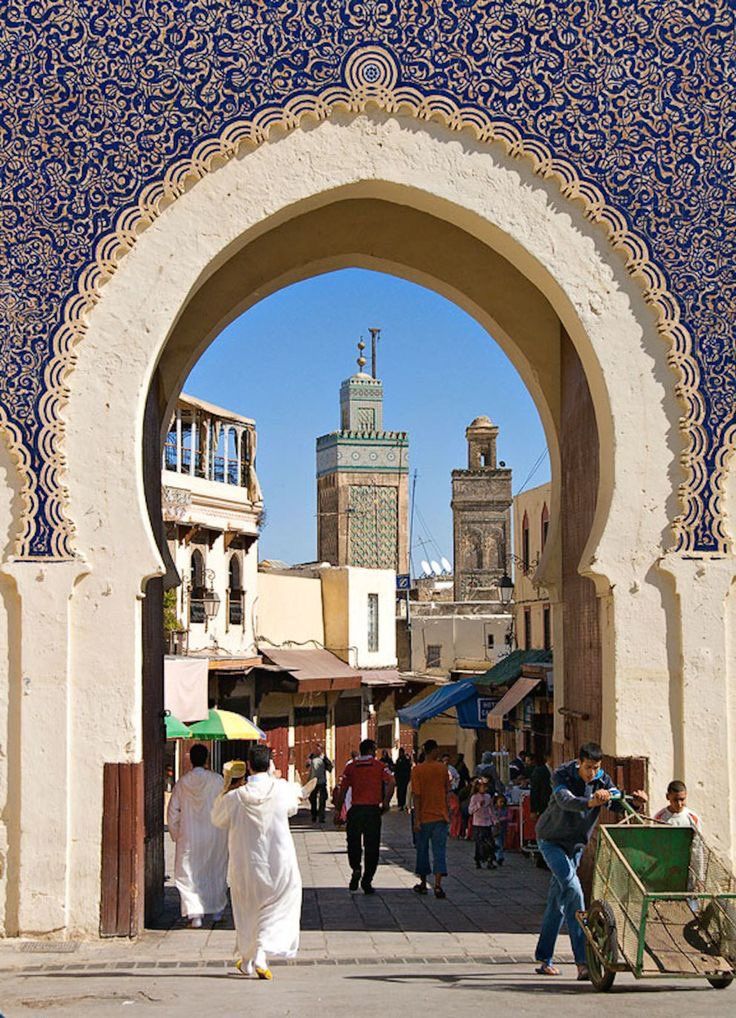
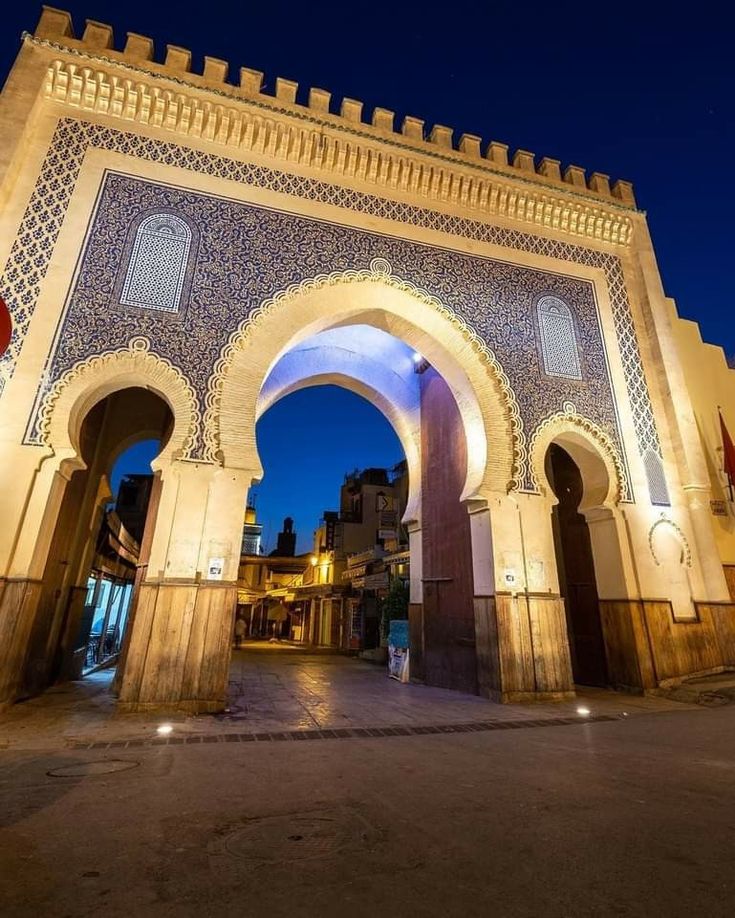
2. Visit the Famous Bab Boujloud Gate
Bab Boujloud, also known as the Blue Gate, is one of the most recognizable landmarks in Fez. Its beautiful decorative tiles make it a popular photography spot and a convenient starting point for exploring the medina.
In addition, the surrounding area offers cafés, restaurants, and traditional shops. Therefore, you can begin your walking tour here before discovering the historic streets and cultural attractions nearby.
3. Discover the Chouara Tanneries
The Chouara Tanneries are among the most famous attractions in Fez. Visitors can observe traditional leather production and discover the techniques that local artisans have preserved over generations.
However, the smell can be strong, particularly during warmer weather. For a better experience, visit a reputable viewing terrace and ask a local guide to explain the different stages of leather production.
4. Plan Your Sahara Desert Adventure from Fez
Beyond its historical attractions, Fez can be an excellent starting point for Morocco desert tours from Fes. Travellers heading towards Merzouga can discover the Middle Atlas Mountains, scenic valleys, traditional towns, and the impressive dunes of the Sahara.
For a more complete experience, consider a multi-day desert tour that includes transport, overnight accommodation, and a desert camp. Before booking, compare the itinerary, group size, included meals, and final destination to find the option that best suits your travel plans.

Tours From Fes :
5-Day Fes to Marrakech Sahara Desert Exploration via Erg Chebbi
5. Learn About Al Quaraouiyine and Fez’s Scholarly Heritage
Al Quaraouiyine is one of Fez’s most historically significant institutions. Founded in the ninth century, it is closely associated with the city’s long tradition of scholarship, religious learning, and intellectual exchange. Its historical importance reflects the role Fez played as a major center of education in the Islamic world. For travellers interested in the cultural heritage of Morocco, learning about Al Quaraouiyine adds an important dimension to a visit beyond the markets and monuments. It also helps explain why Fez is often described as a spiritual and intellectual heart of the country.
However, visitors should distinguish between learning about the institution’s history and entering its religious or educational spaces. Access rules may be restricted, and not every area is necessarily open to non-Muslim visitors. Therefore, it is best to admire accessible architectural features, consult a reputable local guide, and respect any posted restrictions. When combined with a visit to nearby historic streets and educational monuments, the experience provides a useful introduction to Fez’s scholarly traditions and the wider history of Moroccan culture.
6. Visit Al-Attarine Madrasa
Al-Attarine Madrasa is another architectural highlight worth including in your Fez itinerary. Known for its intricate decoration, this historic educational building demonstrates the artistry of traditional Moroccan design. Visitors can admire detailed tilework, carved cedarwood, ornamental plaster, and the careful arrangement of decorative motifs. These elements show how architecture could combine practical educational functions with artistic expression. For anyone interested in history, photography, or design, the madrasa is a rewarding stop during a day exploring the medina.
In addition, visiting Al-Attarine Madrasa gives you an opportunity to compare different examples of historic architecture in the same city. While each building has its own character, many share an emphasis on geometry, craftsmanship, and decorative balance. Consider visiting with a guide who can explain the symbolism and construction methods behind the details. Alternatively, take your time to observe the building independently, provided visitor access is available. Either way, this monument is a valuable addition to a cultural itinerary focused on the best attractions in Fez.
7. Explore the Nejjarine Museum of Wooden Arts and Crafts
The Nejjarine Museum of Wooden Arts and Crafts celebrates the woodworking traditions that have contributed to Fez’s reputation for skilled artisanship. Housed in a historic building, the museum provides insight into decorative objects, traditional tools, and the techniques used to create wooden furniture and architectural details. It is particularly interesting for visitors who want to understand the practical skills behind the beautiful doors, ceilings, and carved panels found throughout the medina. Consequently, the museum offers a useful complement to walking tours of the city’s historic streets.
Furthermore, the building itself is part of the attraction, as its traditional architecture and carefully designed spaces reflect the craftsmanship associated with Fez. After your visit, explore the surrounding area, where artisan workshops and small shops continue to form an important part of local life. If you are interested in handmade products, take the opportunity to ask artisans about the materials and methods they use. This type of interaction can transform a simple sightseeing stop into a more meaningful cultural experience.

8. See the Exterior of the Royal Palace of Fez
The Royal Palace of Fez, known as Dar al-Makhzen, is famous for its monumental gates and elaborate decorative work. Its impressive brass doors, geometric patterns, and colourful tilework make the exterior a popular photography stop. Although the palace itself is generally not open for ordinary tourist visits, the surrounding area allows visitors to appreciate the scale and artistry of one of Morocco’s important royal sites. The gates are especially striking when viewed in natural daylight, making this a worthwhile addition to a city tour.
After visiting the palace exterior, you can explore nearby streets and continue towards other parts of modern Fez. This creates an opportunity to compare the historic medina with the city’s broader urban landscape. Remember that the palace is an official royal residence, so visitors should respect security restrictions and avoid attempting to enter closed areas. For a balanced itinerary, combine this stop with the Jewish heritage district, local gardens, or a guided walk through the historic quarters.
9. Discover the Mellah and Jewish Heritage of Fez
The Mellah is an important historic district associated with the Jewish community of Fez. Its streets, architecture, and historical sites help illustrate the diverse communities that have contributed to the city’s development. Exploring this area provides a broader perspective on Moroccan history, including the cultural exchanges and relationships that shaped life in the imperial cities. For travellers interested in heritage and architecture, the Mellah offers a different experience from the religious schools and commercial souks of the old medina.
In addition, a visit to the Mellah can help you understand that Fez’s identity has never been limited to one tradition or community. Depending on access arrangements, you may be able to learn about historic synagogues, the Jewish cemetery, and the neighbourhood’s distinctive architecture. It is advisable to check opening conditions before visiting specific sites and to behave respectfully in residential areas. When included in a guided cultural tour, the district can provide valuable context about Morocco’s multicultural past.
10. Enjoy a Peaceful Walk in Jnan Sbil Gardens
Jnan Sbil Gardens offer a welcome break from the busy streets of Fez. With green spaces, shaded paths, trees, and landscaped areas, the gardens provide a relaxing environment where visitors can slow down after several hours of sightseeing. The contrast between the calm gardens and the lively medina makes this a particularly appealing stop during a full day of exploration. If you have been walking through crowded markets, spending some time in a peaceful outdoor setting can help you recharge before continuing your itinerary.
Moreover, the gardens are a pleasant place for photography, quiet reflection, or a short rest between attractions. Their atmosphere can be especially enjoyable when temperatures are comfortable. However, opening hours and access arrangements may change, so check current local information before planning your visit. You can combine the gardens with Bab Boujloud and nearby historic districts, creating a convenient route that includes architecture, local life, and green spaces without requiring long journeys across the city.
11. Taste Traditional Moroccan Food in Fez
Food is an essential part of discovering the best things to do in Fez. The city is known for its rich culinary heritage, including traditional dishes prepared with aromatic spices, slow-cooked meats, seasonal vegetables, and carefully balanced sweet and savoury flavours. Visitors may encounter specialities such as chicken pastilla, harira soup, tagines, couscous, and a wide range of Moroccan pastries. Sampling these dishes is more than a meal; it is a way to understand the traditions and hospitality that form an important part of Moroccan culture.
For an enjoyable food experience, consider trying different types of restaurants rather than eating every meal in the same area. Small local establishments can introduce you to everyday dishes, while traditional riads may offer a more leisurely dining atmosphere. If you have dietary restrictions, ask about ingredients before ordering, especially when dishes contain nuts, dairy, or meat. You can also join a guided food walk or cooking class to learn how Moroccan ingredients are used. As a result, your visit can include both sightseeing and a deeper appreciation of local gastronomy.
12. Explore the Souks and Shop for Handmade Crafts
The souks of Fez are an excellent place to discover traditional Moroccan products. Depending on the neighbourhood, you may find leather goods, pottery, brassware, woven textiles, carpets, jewellery, spices, and decorative objects. Many products reflect techniques that have been practised by generations of artisans. Shopping in the medina is therefore not only an opportunity to find souvenirs but also a chance to observe the relationship between traditional craftsmanship and local commerce.
Nevertheless, it helps to shop thoughtfully. Compare prices at several stores, ask questions about how an item was made, and confirm the price before agreeing to a purchase. If you are buying fragile pottery or larger objects, discuss packaging and transport options. Bargaining may be customary in some shops, but it should remain friendly and respectful. Whenever possible, consider purchasing directly from artisans or reputable workshops, particularly if you want to learn more about the work behind a handmade item.
13. Watch Traditional Artisans at Work
One of the most rewarding cultural experiences in Fez is observing artisans practising traditional crafts. Depending on the district, you may encounter leatherworkers, metalworkers, woodcarvers, weavers, potters, and other specialists. Their workshops often reveal the patience and skill required to create products by hand. Rather than viewing the city only through its monuments, visitors can learn how craftsmanship remains connected to everyday economic and cultural life.
Furthermore, meeting artisans can make your visit more personal. If someone is working in a private workshop, ask permission before taking photographs or filming. Some craftspeople may be happy to explain their techniques, while others may prefer to focus on their work. You can also look for organised demonstrations or workshops where participation is welcomed. These experiences are particularly suitable for travellers seeking authentic Morocco travel experiences rather than a sightseeing itinerary focused exclusively on famous landmarks.
14. Stay in a Traditional Moroccan Riad
Accommodation can play a major role in shaping your experience of Fez. A traditional riad often features an interior courtyard, decorative tiles, carved wood, and quiet seating areas that create a peaceful atmosphere away from the busy streets. Many riads combine historic architectural details with modern amenities, allowing visitors to enjoy a distinctive style of Moroccan hospitality. Staying in one can make your trip feel more connected to the city’s heritage than choosing accommodation solely for convenience.
However, the right riad depends on your travel style, budget, and mobility needs. Some historic properties are located deep inside pedestrian streets, which means luggage may need to be carried from a nearby drop-off point. Before booking, check the location, breakfast arrangements, accessibility, air conditioning or heating, and recent guest reviews. If you are travelling with children or older relatives, ask about stairs and room arrangements. A carefully chosen riad can become a comfortable base for exploring the medina and surrounding attractions.
15. Experience a Traditional Hammam
A traditional Moroccan hammam offers an opportunity to experience an important part of local bathing and relaxation culture. Depending on the establishment, the experience may involve warm rooms, washing, exfoliation, and optional treatments. Visitors can choose between public hammams with a more local atmosphere and private spa facilities that offer additional comfort and privacy. For travellers who have spent the day walking through the medina, a hammam visit can be a relaxing way to end an itinerary.
Before booking, ask what the service includes, whether towels and other supplies are provided, and what clothing or personal items you should bring. Public facilities and private spas may have different customs, prices, and procedures. If you prefer a more familiar setting, choose a reputable spa that explains the experience clearly. As with any wellness service, communicate your preferences and avoid treatments you are uncomfortable with. This allows you to enjoy the cultural experience while respecting your own needs.
16. Take a Moroccan Cooking Class
A cooking class is one of the most enjoyable ways to explore Moroccan cuisine in Fez. Depending on the programme, you may visit a local market, learn about spices, prepare traditional salads, and cook a tagine or another regional dish. The experience often combines practical cooking with explanations of family traditions and the importance of sharing food. It is especially appealing to travellers who want to bring home more than photographs and souvenirs.
Moreover, cooking classes can suit a wide range of visitors, from couples and solo travellers to families and small groups. Before booking, check whether the class includes a market visit, ingredients, a full meal, and recipes to take home. If you have dietary requirements, communicate them in advance. Afterwards, you may find that the dishes you tasted in restaurants become easier to understand because you have seen how the ingredients and cooking methods work together.
17. Visit Borj Nord and Enjoy Views of Fez
Borj Nord is a historic fortification overlooking Fez and can be a rewarding stop for visitors who want to see the city from a different perspective. The elevated location offers broad views across the medina and surrounding urban landscape. After spending time among narrow alleys and crowded souks, seeing the city from above helps you understand its layout and the scale of its historic quarters. The site is also interesting for travellers who enjoy military history and historic architecture.
For the best experience, plan your visit around comfortable weather and good visibility. You may wish to combine the viewpoint with other stops outside the busiest parts of the medina. Transport may be useful, depending on your starting point and mobility. Before visiting the fort or any museum spaces, confirm current opening arrangements. Even if you spend only a short time here, the panoramic view can add a memorable visual element to your Fez travel guide.
18. Visit the Marinid Tombs at Sunset
The Marinid Tombs are associated with the historic dynasty that ruled Morocco during the medieval period. Their elevated location above Fez makes the area particularly attractive to visitors seeking panoramic views of the medina. Although the remains themselves are weathered, the site offers a powerful sense of the city’s historical depth. It is also a popular place to observe the changing light across the rooftops and minarets.
If you plan to visit near sunset, arrange transport and your return journey in advance, and avoid entering unsafe or restricted areas. The condition of the site and access arrangements may vary. Bring water, wear suitable shoes, and allow enough time to enjoy the view without rushing. When conditions are right, this stop provides a peaceful contrast to the noise and activity of the central markets.
19. Discover the Surrounding Region on a Day Trip
Although Fez offers enough attractions for several days, the surrounding region contains additional destinations worth exploring. Meknes, the Roman archaeological site of Volubilis, and the holy town of Moulay Idriss Zerhoun can provide a valuable extension to a cultural itinerary. Each destination offers a different perspective on Morocco, from imperial architecture and ancient history to religious heritage and small-town life. Therefore, a day trip from Fez can be a useful choice for travellers who want to explore beyond the medina.
When organising an excursion, compare private transport, guided trips, and other available options according to your schedule and budget. A private trip usually provides more flexibility, while a small-group excursion can be a convenient way to share transport and learn from a guide. Check the expected driving time, entrance fees, meals, and the amount of time allocated at each stop. With realistic planning, you can discover nearby attractions without making the day unnecessarily tiring.
20. Visit Volubilis for Ancient Roman History
Volubilis is one of Morocco’s best-known archaeological sites and is a popular excursion from the Fez region. Its surviving structures, columns, mosaics, and remains of public buildings offer a glimpse into the history of Roman North Africa. Walking through the archaeological area provides a striking contrast to the medieval architecture of Fez. For travellers interested in history, this excursion adds another layer to an itinerary focused on the different civilisations that have shaped Morocco.
To make the most of your visit, consider hiring a guide or reading about the site before arriving. The explanations can help you understand the purpose of the buildings and the stories behind the surviving mosaics. Wear comfortable shoes, bring water, and prepare for exposure to the sun, as many parts of the site are outdoors. Combining Volubilis with Meknes or Moulay Idriss Zerhoun may be possible, depending on your chosen itinerary and available time.
21. Discover Meknes and Its Imperial Heritage
Meknes is another imperial city that can complement a stay in Fez. Its historic gates, monumental spaces, traditional markets, and architectural landmarks offer an alternative perspective on Morocco’s royal past. Compared with the busy medina of Fez, some areas of Meknes may feel more spacious and less crowded, although conditions vary by location and season. This makes the city an appealing option for visitors who want to compare two historic destinations during the same trip.
A day trip can focus on major landmarks, local markets, and a relaxed lunch before returning to Fez. If you are interested in Moroccan history, consider learning about the rulers and building projects that shaped Meknes. However, allow enough time for transport and site visits rather than attempting to see everything in a few hours. For a more flexible experience, tailor-made Morocco tours can combine Fez and Meknes with other destinations according to your interests.
22. Plan Sahara Desert Tours from Fez
Fez is also a practical starting point for travellers who want to experience the Sahara Desert. Routes towards Merzouga and the Erg Chebbi dunes pass through changing landscapes, including the Middle Atlas, mountain towns, cedar forests, and the palm-lined Ziz Valley. This gradual transition from historic city to mountain scenery and desert landscapes is one of the reasons many visitors choose Fes desert tours. The journey itself becomes part of the adventure rather than simply a transfer between destinations.
However, the drive to the dunes is long, so it is important to choose an itinerary that allows sufficient time for stops and rest. A multi-day tour may include scenic viewpoints, overnight accommodation, a camel trek where available, and a night in a desert camp. Travellers should confirm what is included, such as meals, transport, camp facilities, and luggage arrangements. If you want to continue towards Marrakech afterwards, ask whether a one-way itinerary is available, as this can reduce unnecessary backtracking.
23. Choose Between Fes Desert Tours and Marrakech Desert Tours
When comparing Fes desert tours with Marrakech desert tours, the best option depends on where your Moroccan journey begins and ends. Travelling from Fez towards Merzouga typically takes you through the Middle Atlas and the Ziz Valley, while routes from Marrakech often include High Atlas mountain scenery and historic kasbahs along the way. Both journeys can offer memorable desert experiences, but they differ in route, travel time, and the attractions that can be included.
Therefore, consider the full itinerary rather than choosing a tour based on the desert alone. If you plan to visit Fez and Marrakech during the same holiday, a one-way desert journey between the two cities may be worth investigating. Before booking, compare the number of days, overnight stops, accommodation standards, group size, and final drop-off location. These details will help you select a trip that suits your schedule without spending more time on the road than you intended.
24. Compare Desert Tours from Tangier and Sahara Tours from Casablanca
Travellers arriving in northern Morocco may also consider Desert Tours from Tangier, while those starting on the Atlantic coast may search for Sahara Tours from Casablanca. These trips can be organised as part of a wider Moroccan itinerary, connecting major cities with mountain scenery, historic destinations, and desert landscapes. Nevertheless, the distance to the Sahara means that the number of days available is especially important when planning a desert experience from either city.
Similarly, Casablanca desert tours may suit travellers who want to include the economic capital before travelling inland. However, Casablanca, Tangier, Fez, and Marrakech are different starting points, so the most suitable route depends on your arrival airport, travel dates, and other destinations on your list. Rather than comparing only the advertised price, check whether the itinerary includes the destinations you actually want to visit. A well-planned route can save time and make a multi-city holiday more enjoyable.
25. Find the Right Morocco Tour for Your Travel Style
Fez can fit into many types of holiday, from short cultural breaks to longer journeys across the country. Small Group Morocco Tours are worth considering if you enjoy meeting other travellers and sharing transport, while Authentic Small Group Morocco Tours may appeal to visitors looking for a more personal atmosphere. The exact experience depends on the operator, so review the itinerary, group size, accommodation, and activities before booking.
Alternatively, Morocco Family Tours can provide a more flexible pace for families, while tailor made Morocco tours and custom Morocco tours can be designed around specific interests. Travellers seeking active experiences may prefer Morocco adventure tours, whereas visitors interested in architecture, cuisine, and heritage may choose a cultural itinerary. Regardless of your travel style, compare what is included and make sure the schedule leaves enough time to enjoy Fez rather than treating it as a quick stop between destinations.
26. Discover Authentic Morocco Travel Experiences
The most memorable travel experiences often come from everyday interactions rather than famous attractions alone. In Fez, this might mean learning about a craft from an artisan, sharing a traditional meal, exploring a neighbourhood with a local guide, or discovering a small shop away from the busiest streets. These activities allow visitors to appreciate the skills, stories, and customs that give the city its distinctive character. As a result, authentic Morocco travel experiences can make a holiday feel more meaningful.
To create these experiences, choose activities that respect local communities and allow time for genuine engagement. Ask questions, follow photography guidelines, and avoid assuming that every workshop or home is open to visitors. If you book a cultural experience, find out who leads it and how the activity benefits local participants. Thoughtful choices can help you discover a more personal side of Fez while supporting the people who preserve its traditions.
27. Plan a Longer Morocco Itinerary
If you have more than a few days available, Fez can become one of the central stops in a broader Moroccan journey. A longer itinerary might combine Casablanca, Rabat, Fez, the Sahara Desert, and Marrakech, with additional time in the mountains or along the coast. Travellers planning three weeks in Morocco itinerary options have enough time to explore several regions more comfortably, provided they allow for travel days and avoid changing hotels every night.
However, the best route depends on your interests, arrival and departure airports, and preferred pace. If you want to focus on history, spend more time in the imperial cities. If you prefer outdoor activities, add mountain walks or desert experiences. Those interested in coastal scenery can include Essaouira or other Atlantic destinations. The key is to prioritise a few meaningful experiences instead of trying to visit every destination in a single trip.
28. Practical Tips for Visiting Fez
Before travelling to Fez, plan for a city where walking is often the most practical way to explore the historic medina. Wear comfortable shoes, carry water, and keep your phone charged if you intend to use an offline map. Some streets are uneven, crowded, or difficult to navigate with large luggage. Therefore, it is sensible to confirm the location of your accommodation and ask about the nearest vehicle-accessible meeting point before arrival.
In addition, check opening times, entry arrangements, and local conditions for the monuments you plan to visit. Dress respectfully when visiting religious or traditional settings, and ask permission before photographing people. Keep an eye on your belongings in crowded markets, as you would in any busy tourist destination. If you hire a guide, confirm the price and duration in advance. These simple preparations can help you spend less time dealing with logistics and more time enjoying the city.
29. What Is the Best Time to Visit Fez?
The most comfortable time to visit Fez often depends on your tolerance for heat and your preferred activities. Spring and autumn can offer pleasant conditions for walking around the medina and visiting outdoor attractions. Summer can be very hot, so sightseeing early in the morning or later in the afternoon may be more comfortable. Winter brings cooler weather, especially in the evenings, which makes suitable clothing important.
Nevertheless, there is no single perfect season for every traveller. If your trip includes the Sahara, consider temperatures along the entire route rather than focusing only on Fez. Desert nights can be much cooler than daytime conditions, depending on the season. Before booking, review the forecast for each destination, confirm what clothing is recommended for your planned activities, and allow some flexibility in case the weather affects outdoor plans.
30. How Many Days Do You Need in Fez?
For many first-time visitors, two or three days can provide a useful introduction to Fez. This gives you time to explore the medina, visit important architectural sites, sample Moroccan cuisine, and discover some of the traditional crafts. With a little extra time, you can add gardens, viewpoints, a cooking class, or a more relaxed shopping experience without rushing from one attraction to another.
If you want to include nearby destinations such as Meknes and Volubilis, allow additional time for excursions. Likewise, if Fez is your starting point for a Sahara journey, treat the desert trip as a separate part of your itinerary rather than assuming it can be completed comfortably in a few hours. Planning realistic travel days is essential, particularly if you are combining several cities. A balanced schedule will usually provide a better experience than trying to fit too many activities into each day.
Conclusion: Make Fez Part of Your Moroccan Adventure
The best things to do in Fez combine historic architecture, traditional markets, local cuisine, and meaningful cultural encounters. From walking through Fes el-Bali and admiring the city’s beautiful madrasas to visiting artisan workshops and enjoying a traditional meal, there are many ways to experience the city. Fez is particularly rewarding for travellers who appreciate history and craftsmanship, but it can also be an excellent starting point for exploring the wider country.
Ultimately, your ideal itinerary depends on your interests, available time, and preferred travel style. You can focus on the city itself, take a day trip to nearby historical attractions, or continue towards the Sahara as part of a longer Moroccan adventure. Whether you choose a private journey, Morocco group tours, or a tailor-made itinerary, take time to appreciate the places and people you encounter. With thoughtful planning, Fez can become one of the most memorable stops on your journey through Morocco.