Address
doha Imm E4 Res guilize 3éme TR, Marrakech-Medina - Maroc

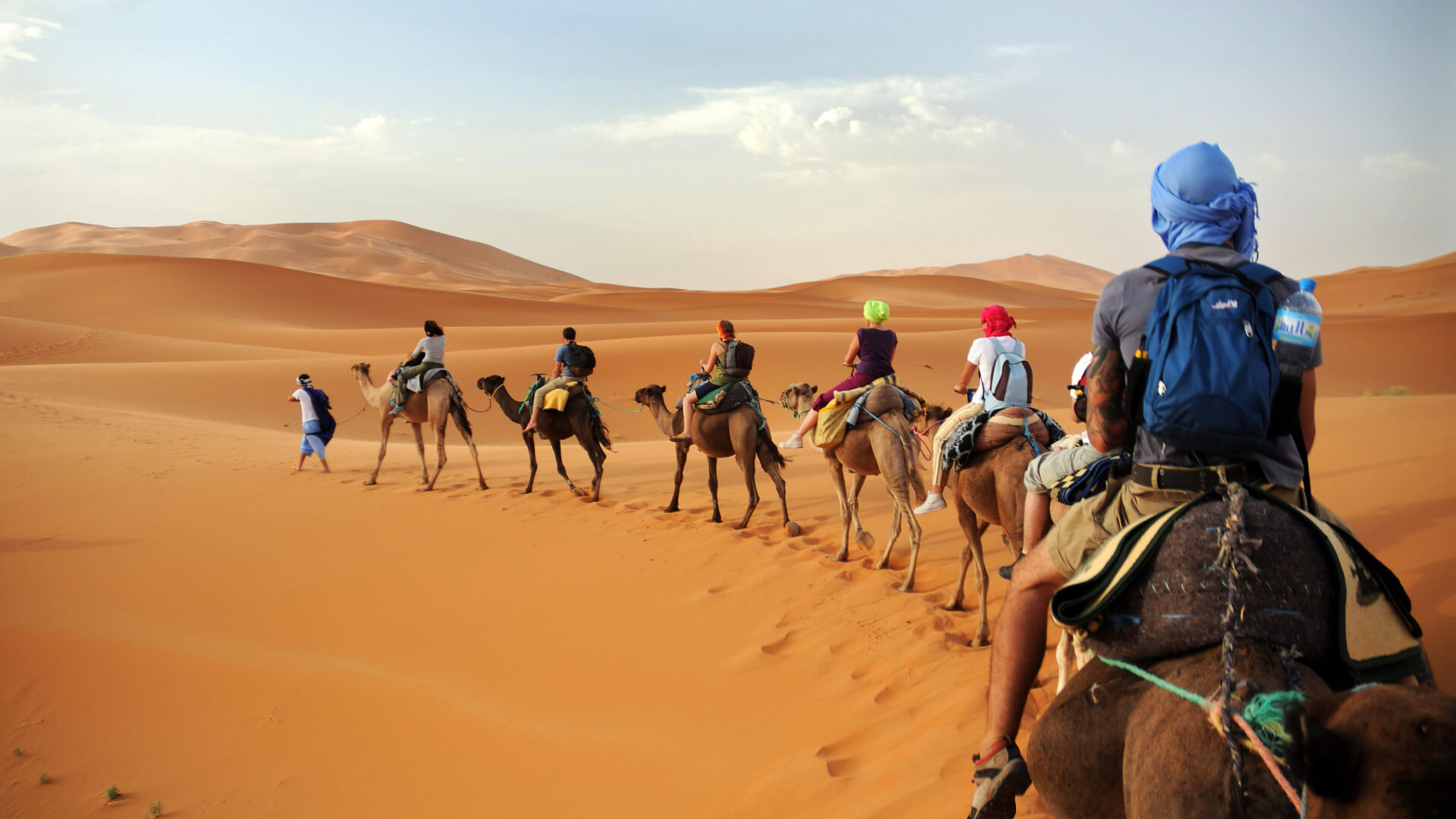
Desert Camel Tours in Morocco: An Unforgettable Guide to Sahara Rides and Desert Camps
Desert Camel Tours in Morocco: An Unforgettable Guide to Sahara Rides and Desert Camps
Desert Camel Tours in Morocco offer a distinctive way to experience the country’s desert landscapes. Instead of watching the scenery only from a vehicle, you can travel at a slower pace, follow a guide across sandy terrain, and spend time near dunes as the light changes. Some experiences last less than an hour, while others form part of a longer journey that includes a desert camp, southern valleys, and historic towns.
However, not every camel tour takes place in the same environment or includes the same services. A short ride in Agafay is different from an overnight excursion near Merzouga or a longer route toward Erg Chigaga. This guide explains the destinations, typical itineraries, seasonal conditions, safety considerations, and booking questions that will help you choose a trip suited to your interests and comfort.
What Are Desert Camel Tours in Morocco?
Desert camel tours are guided experiences in which travelers ride camels, usually dromedaries, across or near a desert landscape. In Morocco, these animals have one hump and have long been associated with transport and pastoral life in arid regions. Today, tourism experiences vary from short guided rides near a desert hotel to transfers between a meeting point and an overnight camp. The actual route, duration, and level of support depend on the provider.
For the bigger picture, read our Marrakech to Merzouga guide. If you are ready to book, take a look at our 3-day Merzouga desert tour.
A camel ride is often one element of a broader journey rather than the entire trip. For example, a multi-day itinerary may include transport from Marrakech, a visit to Aït Ben Haddou, accommodation in the Dades area, and a camel ride near the Erg Chebbi dunes. Therefore, ask whether the advertised duration refers to time on the camel or to the whole excursion. A “three-day camel tour” may include only one relatively short ride.
Why Choose a Camel Tour for Your Desert Experience?
A camel tour offers a slower perspective on the landscape. From the saddle, you may notice the changing shapes of dunes, the sound of footsteps in sand, and the distance between the camp and nearby settlements. At sunrise or sunset, the changing light adds another dimension to the experience. For many travelers, the ride becomes a memorable transition between the road journey and an evening in the desert.
Nevertheless, a camel ride is not essential to enjoy Morocco’s desert. Some people prefer walking, traveling to camp by vehicle, or simply spending time near the dunes. Others may find riding uncomfortable or unsuitable because of health or mobility concerns. The best choice is the one that matches your needs and values. Before booking, ask about the available alternatives and whether you can decide in advance which transfer or activity you prefer.
Where to Go in Morocco for a Desert Camel Tour
When deciding where to go in Morocco for a camel tour, first identify the landscape you want to experience. Merzouga is a popular gateway to the Erg Chebbi dunes and has a wide choice of tours and camps. Erg Chigaga is another dune area, often reached through the M’Hamid region and involving more remote travel. Meanwhile, Zagora and nearby areas offer desert-edge scenery that differs from the large dunes many travelers imagine.
Agafay, near Marrakech, is another possible location for a short ride, but its terrain is mainly rocky rather than the large sand dunes of the Sahara. Therefore, a tour’s destination matters more than a general description such as “desert camel experience.” Ask for the exact meeting point, route, and camp location if an overnight stay is included. That information helps you choose between convenience, dune scenery, travel time, and the level of remoteness you want.
Camel Tours in Merzouga and Erg Chebbi
Merzouga is one of Morocco’s best-known starting points for camel rides near the Erg Chebbi dunes. Travelers often arrive after a journey from Fes or Marrakech, then meet a local provider for a guided ride or transfer to camp. Depending on the package, the experience may include a sunset ride, dinner, an overnight stay, and time to watch sunrise. However, the length and route of each ride differ between providers.
When comparing Merzouga options, ask how far the camp is from the meeting point and how much of the transfer takes place on camel. Some guests ride in one direction and return by vehicle; others choose a vehicle both ways. Also check whether the camp is shared with other travelers and whether your tent has the facilities you need. A detailed answer will help you compare the full experience rather than relying only on photographs of dunes.
Erg Chigaga Camel Tours: A More Remote Journey
Erg Chigaga can appeal to travelers who want to explore a more remote dune area and are comfortable with additional logistics. Many itineraries approach the region from the direction of M’Hamid, and reaching a camp may involve travel away from paved roads. Camel riding can be included as a short activity or as part of a longer guided experience, depending on the provider and the time available.
Because access can be more complex, ask who operates the vehicle, where the camel ride begins, and what support is available during the journey. Also confirm whether water, meals, camp accommodation, and return transport are included. If you are comparing Erg Chigaga with Merzouga, consider the full route rather than assuming they are interchangeable. The right choice depends on your departure city, available days, comfort requirements, and interest in a more remote setting.
Zagora and M’Hamid: Desert Gateways With Different Landscapes
Zagora is often included in shorter routes from Marrakech because it is closer than Merzouga. A trip through the Draa Valley can introduce travelers to palm groves, villages, and desert-edge scenery. Camel rides may be offered near camps or as part of a broader excursion. However, the terrain around Zagora should not automatically be expected to look like the extensive dunes of Erg Chebbi or Erg Chigaga.
M’Hamid can be a starting point for excursions farther into the desert, including routes toward Erg Chigaga. Before selecting either destination, ask where the ride takes place and what kind of landscape surrounds the camp. A shorter trip may be a good fit if your schedule is limited, while a longer journey may be preferable if large dunes are your priority. Clear expectations help ensure you choose the experience you actually want.
Agafay Camel Rides Near Marrakech
Agafay is a convenient option for travelers staying in Marrakech who want a short desert-like escape without undertaking a multi-day Sahara journey. Its landscape is largely rocky and arid, with open views and a very different appearance from the sandy dunes near Merzouga. Camel rides may be combined with a meal, sunset visit, or overnight stay at a local camp, depending on the package.
Agafay can be a good choice when you have only a few hours or one free evening. However, if your main goal is a classic Sahara dune experience, you will need more time and a longer route. Ask the provider where the ride begins, how long it lasts, and whether transport from Marrakech is included. Also check the camp or restaurant facilities if dinner is part of the excursion, especially when traveling with children or guests with dietary needs.
Short Camel Rides vs. Longer Treks
A short camel ride may suit first-time riders who want to try the experience without spending much time in the saddle. These rides are often arranged around sunset or as a transfer to a camp. They can be added to a larger desert itinerary and usually require less physical endurance than a longer trek. Nevertheless, even a short ride may feel uncomfortable if you have relevant health concerns or limited mobility.
Longer treks require more careful planning. Ask about the actual riding time, breaks, walking sections, water, meals, and support arrangements. Also confirm whether the route is appropriate for your fitness and experience. The terms “trek,” “tour,” and “excursion” are not standardized, so request a clear schedule. If you are unsure about riding for several hours, start with a shorter experience or choose a walking and vehicle-based alternative.
Sunrise Camel Rides: What to Expect
A sunrise ride usually begins early, and the exact departure time changes with the season. Depending on the itinerary, you may ride from camp toward a viewpoint or travel from camp back to a meeting point as the landscape becomes brighter. The morning can feel calm and cool, making it an appealing option for travelers who prefer to start the day before temperatures rise.
However, an early start is not ideal for everyone, particularly after a long road journey or a cold night at camp. Ask whether breakfast is served before or after the ride and what warm clothing you may need. Also remember that clouds, dust, or other conditions can affect the view. If sunrise is important to you, choose an itinerary that allows enough time to enjoy it without immediately rushing into a long transfer.
Sunset Camel Rides: Planning Your Arrival
Sunset rides are popular because the low light can change the appearance of the dunes and surrounding landscape. A typical experience may begin from a hotel or meeting point and finish at a desert camp, although routes vary. This timing can create a memorable transition into dinner and an overnight stay. For photographers, it may also offer interesting shadows and colors across the sand.
Arrival time is critical, so ask how your operator manages the day’s schedule. Traffic, roadworks, weather, or a delayed departure from a previous stop can reduce the time available before sunset. No provider can guarantee perfect light or a particular photograph. Therefore, choose a realistic route with sufficient travel time and breaks. If you arrive too late for the planned ride, ask in advance whether the activity is rescheduled or replaced.
What Happens During an Overnight Camel Tour?
An overnight camel tour often begins with a meeting at a desert hotel, parking area, or local operator’s base. After a safety explanation, guests may ride toward a camp or viewpoint before settling into their accommodation. Depending on the package, the evening can include dinner, free time, and a shared gathering. The next morning may offer sunrise viewing, breakfast, and a return transfer before the wider tour continues.
However, each camp and provider has its own schedule. Ask whether you will sleep in a private or shared tent, what bathroom facilities are available, and how your main luggage is transported. Also confirm whether the ride is one way or both ways. If you prefer not to ride at a particular stage, arrange a vehicle transfer before departure. An overnight trip is more enjoyable when its practical details are clear.
Choosing a Desert Camp for Your Camel Tour
Desert camps range from simple accommodations with shared facilities to more comfortable tents with private bathrooms and additional amenities. Labels such as “standard” and “luxury” are not consistent across all providers. Therefore, ask for the camp’s name, the specific tent category, and a written list of facilities. Confirm whether dinner and breakfast are included and whether drinks or optional activities cost extra.
Seasonal comfort is equally important. Winter nights can be cold, while summer heat may make sleeping difficult for some travelers. Ask about bedding, heating, ventilation, and cooling before booking. If you have mobility requirements, request details about the route from the drop-off point to the tent and dining area. Finally, check whether the camp is shared with other guests. A private tour does not automatically mean exclusive use of the camp.
How Long Should You Spend in the Desert?
One night near the dunes can provide time for a camel ride, dinner, and sunrise, but it is only a short introduction. If your route includes long drives before and after the camp, you may have less free time than expected. Ask the operator when guests typically arrive and depart, and whether the schedule includes time to walk or rest. This information matters more than an itinerary that simply lists “Sahara overnight.”
If you have additional days, consider spending a second night in the desert region or adding a slower stop before continuing to your next city. A longer stay can reduce travel fatigue and give you flexibility if weather affects an activity. However, do not assume that an extra night automatically includes more riding or excursions. Confirm the daily program, meals, accommodation, and transport so the additional time provides the experience you want.
Marrakech Desert Tours With Camel Rides
Many Marrakech desert tours combine the High Atlas crossing with stops in southern valleys before reaching a desert camp. Depending on the route, travelers may visit Aït Ben Haddou, Ouarzazate, the Dades area, or Todra Gorge. A camel ride is often scheduled near the final desert destination. However, the ride itself is only a small part of a journey that can involve several long days on the road.
When comparing Sahara desert tours from Marrakech, identify the final desert destination and the number of nights away from the city. A three-day Merzouga route can be rewarding, but the return day is often long. If you want more time at the dunes or shorter driving days, ask about a four-day route or a one-way itinerary ending elsewhere. Also confirm whether the camel ride is included in the quoted price or offered as an optional extra.
Morocco Desert Tours From Fes With Camel Trekking
Morocco desert tours from Fes offer another way to reach the Merzouga area. The journey commonly passes through Middle Atlas scenery and the Ziz Valley before continuing toward the dunes. Some itineraries return to Fes, while others finish in Marrakech. For travelers already planning to visit both cities, a one-way route can connect them while adding a desert camp and camel experience along the way.
When reviewing Fes desert tours, ask how long the first travel day usually takes and whether the schedule allows a ride before sunset. Also confirm what happens to luggage during the camp stay and whether a vehicle transfer is available. If the tour continues to Marrakech, check the overnight stops after the desert. A logical route can reduce backtracking, but it should still include enough breaks for a comfortable journey.
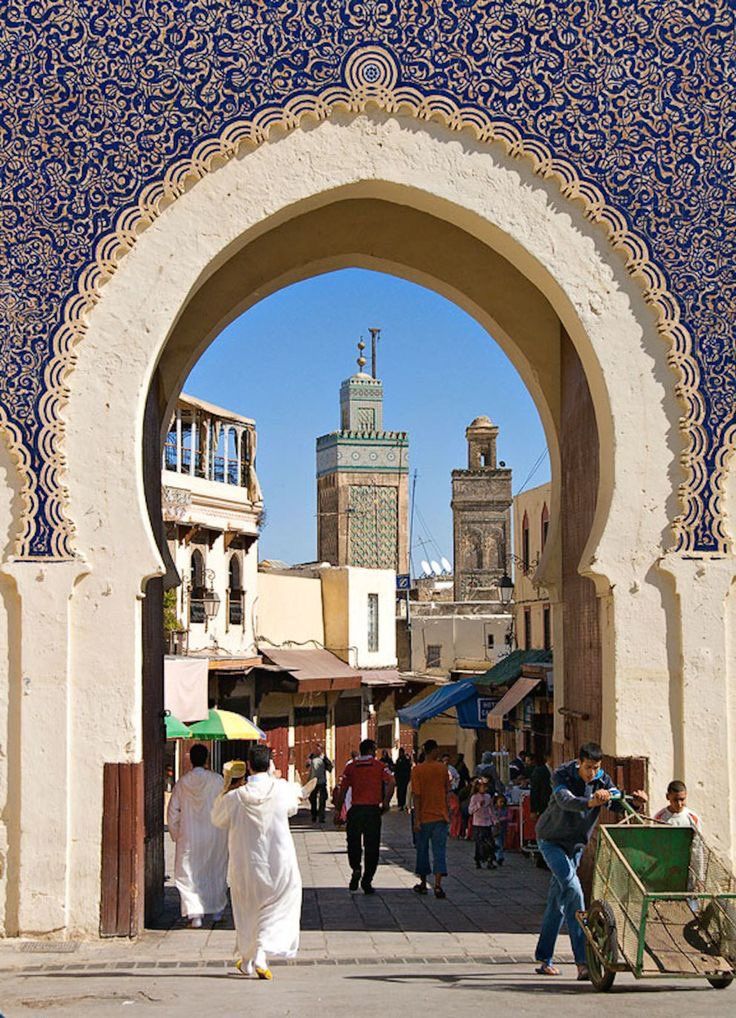
Casablanca Desert Tours and Camel Experiences
Casablanca desert tours generally form part of a longer Morocco journey because the city is far from the main Sahara dune areas. An itinerary may include Rabat, Fes, or other stops before continuing toward Merzouga. The camel ride and camp stay are therefore one chapter in a broader route. Ask how many days are required and where each night is spent before deciding whether the schedule fits your trip.
When comparing Sahara Tours from Casablanca, check whether the package includes your arrival transfer, city accommodation, local guides, and meals. Also identify where the tour ends: a route finishing in Marrakech may suit different flights from one returning to Casablanca. The advertised camel experience should be described separately, including its approximate duration and any alternatives. This allows you to evaluate the entire package rather than focusing only on the desert image.
Desert Tours From Tangier With Camel Rides
Desert Tours from Tangier can appeal to travelers who want a north-to-south route through Morocco. Depending on the itinerary, stops may include Chefchaouen, Fes, and the Middle Atlas before reaching the desert. A camel ride near Merzouga may then be followed by a journey toward Marrakech. However, Tangier is a considerable distance from the dunes, so the route requires enough days and realistic overnight stops.
Ask whether your tour ends in Marrakech or returns north, as this changes both the travel time and your flight planning. If you have only a few days, a Tangier-to-Sahara route can feel rushed. In that case, consider extending your stay or focusing on the north before beginning a separate desert trip from Fes. A good operator should explain the trade-offs rather than suggesting that every destination can be explored deeply in a short itinerary.
Small Group Morocco Tours With Camel Experiences
Small Group Morocco Tours can be a convenient choice for travelers who want organized transport and the company of others. A group itinerary may combine city visits, a desert camp, and a camel ride in one package. Sharing transport can simplify planning, particularly for solo travelers. However, the size of a “small group” differs by provider, so ask for the maximum number of participants and the vehicle type.
For Morocco Small Group Tours, also check room-sharing arrangements and any single supplement. Ask whether all group members must participate in the camel ride or whether a vehicle transfer is available. Since shared tours usually have fixed schedules, review the expected departure and arrival times carefully. The best group trip is not simply the smallest one; it is the one whose pace, inclusions, and accommodation match your preferences.
Authentic Small Group Morocco Tours and Local Context
Authentic Small Group Morocco Tours should provide more than a camel ride and a photograph. A knowledgeable guide can explain the region’s geography, local livelihoods, and the historical role of dromedaries in desert travel. Time for questions and respectful interaction can make the experience more meaningful. However, the word “authentic” is not a guarantee, so ask how the activity is organized and who provides it.
If you are seeking Authentic Morocco Travel Experiences, look for operators who communicate clearly about local partnerships and avoid pressuring travelers into shopping. Ask permission before photographing individuals, and remember that villages and camps are workplaces and communities, not film sets. A respectful experience should benefit from local knowledge without presenting people as attractions. Clear expectations and courteous behavior help create a better experience for everyone involved.
Morocco Group Tours vs. Private Camel Tours
Many morocco group tours offer fixed departure dates, shared transport, and a set itinerary that includes a camel ride. This can be useful when you want predictable arrangements and enjoy traveling with others. However, the schedule may offer limited flexibility for longer stops, alternate activities, or different meal times. Check the group size and camp arrangements before booking, especially if privacy is important to you.
A private tour may allow more control over departure time, route, and accommodation, but it can cost more per person. Also distinguish between a private vehicle, a private camel guide, a private tent, and an exclusive camp: these are separate services. Ask exactly what is included in your quote. A private format can be valuable, but it should be selected because its flexibility meets your needs, not because the word alone suggests a particular standard.
Custom Morocco Tours for Camel Trekking
custom Morocco tours can be useful if you want to include camel trekking within a route designed around your interests. You may prefer a short ride followed by a vehicle transfer, an extra night near Merzouga, or more time in the southern valleys. A custom itinerary can also account for photography, family needs, dietary requirements, or a slower pace. However, each addition affects the overall schedule and budget.
To receive a practical proposal, provide your dates, arrival and departure cities, number of travelers, and desired comfort level. Explain whether the camel ride is a major priority or simply an optional experience. Then ask for the actual riding duration, overnight locations, and approximate driving times. A personalized route should clarify trade-offs and remove unnecessary travel, rather than adding more stops to a schedule that is already too full.
Tailor Made Morocco Tours and Flexible Routes
tailor made Morocco tours can connect a desert camp with the cities, coast, or mountains that interest you most. For example, you might begin in Fes, travel to Merzouga, spend an additional night in the area, and continue toward Marrakech. Alternatively, you may prefer a shorter ride near a desert gateway followed by more time elsewhere. The route should reflect your available days and the energy level of your group.
Before confirming, ask what can be changed after booking and what cancellation fees might apply. Camps, guides, and transport may need advance reservations, especially during popular travel periods. Also request a written list of included services, including meals, camp transfers, and local guides. A well-designed tailor-made tour explains what is fixed, what is flexible, and how changes would affect the price. Flexibility is most valuable when its limits are clear.
Morocco Family Tours With Camel Rides
Morocco Family Tours can include a short camel ride and a desert camp night, but family comfort should guide the decision. Children may enjoy the novelty of riding and exploring the dunes, yet long road journeys can be tiring. Ask how many hours are typically spent in the vehicle and whether regular breaks are possible. If the route is too demanding, an extra overnight stop or a closer desert-style excursion may be a better choice.
Before booking, confirm the provider’s age limits, supervision arrangements, and child-seat availability for road travel. Ask whether a child can ride separately, whether a parent must accompany them, and what alternatives are available if someone decides not to ride. Also check tent layout, bathroom facilities, and meal timing. Rules and equipment vary by operator, so do not assume that every camel experience is suitable for every age.
Morocco Adventure Tours and Longer Desert Activities
Morocco adventure tours may include camel trekking alongside hiking, cycling, or off-road excursions. A longer desert activity can provide more time to observe the landscape and learn from local guides. However, the physical demands vary. Riding for an extended period, walking on sand, and spending time outdoors in changing temperatures may be more demanding than a short sunset ride near camp.
Ask about the route, expected riding and walking times, water supply, guide experience, and support arrangements. If a vehicle accompanies the group, confirm when it is available and what happens if someone wants to stop. Also discuss weather alternatives and any required equipment. Choose a tour appropriate to your fitness and previous experience. A responsible adventure operator should explain limitations honestly rather than promising that every route suits every traveler.
Camel Welfare: Questions to Ask Your Operator
Animal welfare should be part of your booking decision. Ask how the camels are cared for, how workloads and rest are managed, and whether water and veterinary care are available. During the activity, observe whether animals appear to have access to water and appropriate rest, and whether handlers use calm methods. A single observation cannot prove an operator’s overall practices, but clear answers and attentive handling are useful signs to consider.
Avoid providers who dismiss reasonable welfare questions or pressure you to ride when you are uncomfortable. If you notice concerning treatment, raise it with the operator and consider choosing another activity. You can also request a vehicle transfer or walk where the route allows. Respectful tourism includes both the welfare of animals and fair treatment of the people working with them. The cheapest offer is not always the right one for your values.
Is Camel Riding Safe?
Camel riding involves movement, height, uneven terrain, and some physical discomfort, so it is not risk-free. Listen carefully to the handler’s instructions, particularly when the animal stands up or kneels down, as those movements can feel sudden. Hold the provided handle as instructed and remain attentive throughout the ride. A well-run provider should explain what to expect before you mount and should not rush you.
If you are pregnant, have back or neck problems, have recently had surgery, or have another health concern, consult a medical professional before deciding whether to ride. Travelers with mobility limitations should discuss mounting, dismounting, and alternative transport with the operator. Children also need appropriate supervision and equipment. There is no obligation to ride: a vehicle transfer or a guided walk can allow you to enjoy the desert without taking part in an activity that feels unsuitable.
What Does Camel Riding Feel Like?
A camel’s walking motion can feel unfamiliar at first. The saddle height gives you a different perspective, while the animal’s gait may cause gentle side-to-side or forward movement. Some travelers find it relaxing after a few minutes; others notice pressure around their hips, knees, or lower back. The experience depends on the saddle, the length of the ride, your clothing, and your individual comfort.
For a first ride, a shorter route may be a sensible introduction. Ask whether you can take breaks and whether the tour includes walking as well as riding. Wear comfortable trousers and secure footwear, and avoid carrying a heavy bag on your body if it affects your balance. Most importantly, tell the guide if you feel uncomfortable. A good provider should explain your options and help you choose a suitable alternative when needed.
Accessibility and Alternatives to Camel Riding
Camel mounting and dismounting can be challenging for travelers with limited mobility. Sand, uneven paths, camp layouts, and vehicle access may also present difficulties. Before booking, describe your specific requirements and ask for current information about the meeting point, saddle, assistance available, and route to the camp. Photographs or a detailed conversation may be more useful than a general statement that an activity is “accessible.”
If riding is not appropriate, ask whether the operator can provide a vehicle transfer, a shorter walk, or time at a viewpoint accessible by road. Confirm whether these alternatives are included or cost extra. Also check the bathroom and sleeping facilities at camp. Accessibility needs differ from person to person, so the most reliable approach is to discuss the complete journey—not just the camel ride—before making a payment.
Best Time for Desert Camel Tours in Morocco
Spring and autumn are often popular for Desert Camel Tours in Morocco because daytime temperatures can be more comfortable for outdoor activities than during the hottest part of summer. However, weather varies by location and year. Wind, blowing sand, or a sudden change in conditions can affect a planned ride. Check local forecasts and ask your provider how the itinerary responds if conditions are unsuitable.
Winter can offer pleasant daytime riding conditions but cold mornings and nights, particularly at camp. Summer heat can be intense and may make riding uncomfortable or inappropriate for some travelers. Ask when rides take place, how heat is managed, and whether enough water and rest are provided. The best season depends on your route, health, and tolerance for temperature changes rather than a single date that works for everyone.
Camel Tours in Spring and Autumn
Spring and autumn can be appealing for travelers combining camel trekking with Marrakech, Fes, and mountain scenery. In many years, these seasons offer a useful balance for sightseeing and outdoor activities. However, a warm day in one city does not mean the desert evening or mountain crossing will feel the same. Pack layers and review the forecast for every overnight location.
These seasons are also popular, so camps and small-group departures can fill early. If you have fixed dates or specific accommodation needs, reserve in advance after confirming cancellation terms. Ask how the provider handles wind or dust and whether the ride can be adjusted. Finally, remember that sunrise and sunset times change throughout the season. A realistic schedule should account for travel time rather than promising a particular light condition regardless of arrival.
Camel Tours in Summer and Winter
In summer, the main concern is heat. If you choose to travel during this period, ask whether rides take place early or late, what shade and water are available, and how the operator decides when conditions are unsuitable. Also consider whether a camp provides ventilation or cooling that meets your needs. Children, older travelers, and people with health concerns may need to be especially cautious.
In winter, warm daytime clothing may not be enough for an early ride or an evening at camp. Bring a jacket, warm layers, and suitable footwear, and ask about bedding and heating. Weather can also affect road travel through mountain areas. Therefore, avoid scheduling a tight connection immediately after the desert journey. Seasonal preparation should cover the full route, not only the time spent riding a camel.
What to Wear for a Camel Ride
Comfortable long trousers can help reduce friction against the saddle, while breathable layers allow you to adjust to changing temperatures. Closed shoes with a secure fit are generally more practical than loose sandals, especially when walking on uneven ground or mounting. A hat, sunglasses, and sunscreen can help protect against sun exposure. If wind or dust is likely, a light scarf may also be useful.
Avoid clothing or accessories that restrict movement or make it difficult to follow the guide’s instructions. In colder months, add a warm jacket and consider gloves for early mornings. Keep essential items in a small, secure bag, but ask the operator where larger luggage should go. Finally, check the forecast and the provider’s recommendations shortly before the ride. The best clothing depends on the season, duration, and your personal comfort.
What to Pack for an Overnight Camel Tour
A small overnight bag makes the transition between vehicle, camel, and camp easier. Include medication, toiletries, a phone charger or power bank, a warm layer, and any documents or booking details you need. Carry water and appropriate snacks for the road journey, especially if you have dietary restrictions. If you plan to take photographs after dark, bring the equipment you actually need rather than carrying unnecessary weight.
Ask whether your main luggage travels to camp or remains at a meeting point. Also confirm whether towels, drinking water, bedding, and toiletries are provided. In a shared vehicle, luggage space may be limited, so follow the operator’s instructions. Pack for both heat and cold when your itinerary crosses several regions. A carefully prepared small bag can improve your comfort without making mounting, walking, or camp transfers more difficult.
How Much Do Desert Camel Tours Cost?
The cost of a camel experience depends on the destination, ride duration, group size, season, and whether it includes transport or accommodation. A short local ride is not directly comparable with a multi-day tour from Marrakech or Casablanca. Similarly, a camp stay with private facilities may have a different price from a simpler shared arrangement. To understand value, compare the complete services rather than the headline number.
Request current written quotes for the same dates and number of travelers. Ask whether the price includes the camel ride, vehicle transfer alternative, dinner, breakfast, camp accommodation, taxes, and any local guide. Also check for single supplements or additional activity fees. Since prices and availability change, this guide does not provide fixed rates. A detailed quote from a current provider is the most reliable basis for your budget.
What Is Usually Included in a Camel Tour?
A local camel ride may include a guide or handler and the use of the animal and saddle for a specified route. An overnight package may add a camp stay, dinner, breakfast, and a return transfer. Multi-day tours can also include transport from a city and accommodation along the way. However, services differ widely, so ask the provider to identify what is included in each part of the journey.
Common exclusions can include lunches, drinks, monument entrance fees, tips, optional activities, and accommodation before or after the tour. A vehicle transfer instead of a camel ride may also be extra in some packages. Ask for a day-by-day list and confirm the final drop-off point. A transparent offer makes it easier to compare providers and prevents a low advertised rate from becoming unexpectedly expensive after booking.
Questions to Ask Before Booking
Start with the basics: where does the ride take place, how long is the actual riding time, and who guides it? Ask about group size, the type of saddle, mounting assistance, and whether breaks are possible. If an overnight camp is included, request its name and details about tents, bathrooms, meals, heating, and cooling. Also ask how luggage is handled and whether a vehicle alternative is available.
Next, clarify the total price, currency, payment schedule, cancellation policy, and any optional charges. Ask what happens if wind, heat, rain, road conditions, or another issue prevents the planned ride. If you have health, dietary, accessibility, or animal-welfare concerns, discuss them before paying. Keep the answers in writing. A provider who explains the practical details clearly gives you a stronger basis for deciding whether the tour is right for you.
How to Choose the Best Morocco Tours With Camel Trekking
The best Morocco tours with camel trekking balance the ride with the wider journey. Look for a logical route, realistic driving times, suitable accommodation, and enough time at the desert destination. A tour that arrives late and leaves immediately after breakfast may not provide the relaxed experience suggested by its photographs. Likewise, a long list of stops does not guarantee enough time to appreciate each one.
Compare recent reviews for similar dates and routes, but also ask direct questions about the vehicle, guide, camp, and animal care. Consider the provider’s response to your needs and whether the itinerary offers a suitable alternative to riding. Finally, check the cancellation terms and total cost. The strongest choice is not necessarily the longest or most expensive tour; it is the one that clearly delivers the experience you have chosen.
Responsible Photography and Desert Etiquette
Desert landscapes can be beautiful to photograph, but people and working animals should be treated with respect. Ask permission before taking close photographs of guides, camp staff, or local residents. Follow instructions about where to walk, especially around animals and camp equipment. If your guide suggests a viewpoint, check that reaching it is safe and does not delay other travelers or disturb the environment.
Avoid leaving waste behind, and use water thoughtfully in arid areas. If you purchase crafts or book local activities, ask questions and choose services you genuinely value rather than feeling pressured. A respectful approach also means accepting that not every interaction or sunset needs to become a photograph. Sometimes the best memory comes from putting the camera away and spending a few quiet minutes observing the landscape.
Adding Camel Trekking to a 3 Weeks in Morocco Itinerary
A 3 weeks in Morocco itinerary offers enough time to include a desert camp without making the entire trip a race between cities. You could begin in the north, spend time in Fes, travel toward Merzouga, and then continue through the southern valleys to Marrakech. Afterward, the coast or Atlas foothills can provide a different landscape and a slower finish. The exact route should follow your flights and interests.
With more time, you can add an extra night near the dunes or break up a long drive with another overnight stop. That flexibility may be more valuable than adding several distant attractions. If camel trekking is a priority, discuss whether you want a short introductory ride or a longer guided activity. Then build the rest of the itinerary around realistic travel times, rest days, and seasonal conditions.
Frequently Asked Questions About Desert Camel Tours
Are camel tours available as day trips from Marrakech? Yes, short camel experiences are available in areas such as Agafay, but Agafay is a rocky landscape and not the major Sahara dunes near Merzouga. Do I have to ride a camel to stay at a desert camp? Not always. Many providers offer vehicle transfers, although you should arrange the alternative in advance and ask whether it costs extra.
How long is a typical camel ride? There is no universal duration; ask the operator for the approximate riding time rather than relying on the total tour length. Can children participate? Some providers welcome children, but age limits and supervision arrangements vary. Is sunset guaranteed? No. Arrival delays and weather can affect the experience, so choose a realistic itinerary and ask how changes are handled.
Final Thoughts: Choosing Your Desert Camel Tour
The right Desert Camel Tours in Morocco experience depends on your destination, comfort level, available time, and expectations. Merzouga offers access to Erg Chebbi, Erg Chigaga provides another dune-focused route, and Agafay can suit travelers seeking a shorter excursion near Marrakech. Each option is different, so choose the landscape first and then compare the riding time, camp facilities, transport, and total cost.
Most importantly, book with a provider who answers questions clearly and respects both travelers and animals. Whether you choose a short sunset ride, a camp transfer, or a longer guided trek, allow enough time for breaks and changing conditions. With realistic planning and a respectful approach, camel trekking can become a memorable part of a broader journey through Morocco’s desert landscapes.